
Amazing Health Benefits of Passiflora incarnata Backed by Science
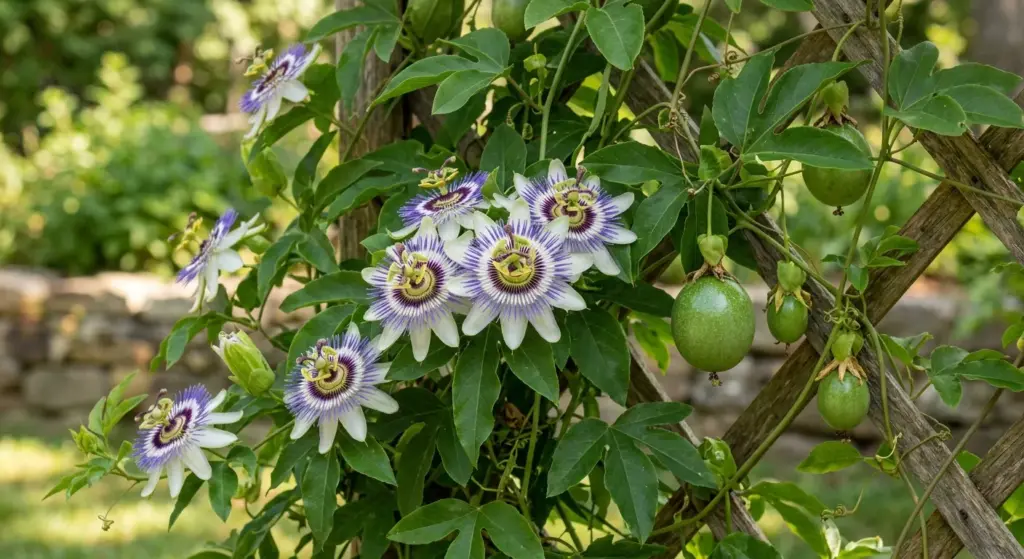
Table of Contents
Quick Summary
Passiflora incarnata L., commonly known as Passionflower or Maypop, is a perennial climbing vine belonging to the Passifloraceae family, native to the Southeastern United States and Central/South America. Historically revered by Native Americans and later integrated into European phytotherapy, it is celebrated for its profound “calming” and “sedative” nature. Modern scientific evidence validates its status as a multi-target therapeutic agent possessing potent anxiolytic, sedative, anticonvulsant, and neuroprotective activities. These effects are primarily mediated by its rich phytochemical profile, particularly its ability to modulate the GABA system and interact with opioidergic pathways. Clinically, it is utilized to reduce generalized anxiety, improve sleep quality, and serve as a crucial add-on treatment for benzodiazepine and opiate tapering. Commonly consumed as aqueous infusions, standardized extracts, or mother tinctures, it maintain an excellent safety profile. However, it is classified as Caution during pregnancy due to potential uterine-stimulant effects and reported neonatal complications. (Appel, 2011; Miroddi, 2013; Ozturk, 2018)
Key Therapeutic Benefits
Mental Health, Mood & Sleep
- Anxiety Relief: Passionflower naturally lowers everyday stress and severe anxiety without causing heavy grogginess. It is also highly effective at calming nerves before invasive medical procedures or dental surgeries.
- Better Sleep: It helps you fall asleep more easily, sleep longer, and wake up less frequently during the night by interacting with calming chemicals in the brain.
- Addiction & Withdrawal Support: The herb eases the physical and mental withdrawal symptoms of quitting addictive substances like nicotine and opiate drugs. It also safely helps people taper off prescription sleep aids and alcohol.
- Mood and Menopause: It provides a cooling, calming effect that reduces the frequency of hot flashes and relieves depression during menopause.
Brain & Nervous System
- Brain Cell Protection & Memory: Powerful antioxidants in the plant protect the brain from damage, which helps improve memory. This protective shield also helps fight against cognitive decline linked to Parkinson’s disease.
- Seizure Management: It calms an overactive nervous system, helping to delay the start of seizures and reduce their severity. It also helps prevent the sudden drop in mood or depression that often follows a seizure.
- ADHD & Autism Support: Its mild sedative properties help improve concentration and reduce restlessness in people with ADHD. It also helps soothe behavioral frustrations and repetitive movements associated with autism.
Pain Relief & Physical Healing
- Nerve Pain Relief: It acts as a natural painkiller, specifically helping to soothe chronic nerve pain like diabetic neuropathy.
- Cough & Asthma Relief: The plant relaxes the smooth muscles in your airways, helping to open up breathing during asthma flare-ups. It is also highly effective at quieting persistent, irritating coughs.
- Organ Protection: It acts as a cellular shield to protect the liver from chemical damage. It also protects the ovaries and testicles from injury caused by restricted blood flow or inflammation.
Heart, Immune & Sexual Health
- Heart Rhythm & Blood Pressure: It helps stabilize irregular, rapid heartbeats and lowers physical stress responses to keep your heart rate steady.
- Libido & Vitality: It acts as a natural aphrodisiac that helps maintain healthy testosterone levels, reversing the drop in sex drive often caused by aging, alcohol, or nicotine.
- Immune Strength & Cellular Health: It preserves your body’s “Natural Killer” immune cells, which are vital for a strong recovery and immune competence after surgeries. Early research also suggests it can slow the growth of certain lymphoma cancer cells by encouraging them to break down.
- Gut Health & Dental Plaque: It acts like a prebiotic to promote healthy gut bacteria, reduce inflammation, and improve digestion. It also stops the growth of harmful bacteria in the mouth, protecting against cavities and gum disease without staining teeth.
How It Works (Phytochemistry)
- Vitexin / Isovitexin → Modulation of GABA-A and GABA-B receptors → Anxiolytic & Sedative
- Chrysin → Inhibition of aromatase enzyme and modulation of BDZ receptors → Libido Enhancement & Anxiety Reduction
- Maltol / Ethyl Maltol → Stabilization of CNS electrical activity → Anticonvulsant
- Rosmarinic Acid → Upregulation of Nrf2 and SOD pathways → Antioxidant & Neuroprotective
- Harmine / Harmaline → Reversible inhibition of Monoamine Oxidase-A (MAO-A) → Antidepressant
- GABA (Amino Acid) → Direct binding to central inhibitory receptors → Relaxation & Sleep Induction
- Oleamide → Putative cannabimimetic and GABAergic signaling → Antinociceptive & Sedative
Traditional Knowledge
- Native American Medicine: Traditionally used as a sedative and “blood purifier”; the roots were often applied as a topical treatment for boils and skin eruptions.
- European Phytotherapy: Established in the 19th century as a premier treatment for “nervousness,” hysteria, and difficulty falling asleep.
- Traditional Chinese Medicine (TCM): Discussed as having sweet and cool properties that enter the heart and liver channels to calm the liver wind and tranquilize the mind.
- South American & Brazil Folk Medicine: Widely used as an antiasthmatic, analgesic, and for the treatment of wormicidal and digestive disorders.
- Unani & Persian Medicine: Valued as a treatment for “melancholy” (depression), epilepsy, and cardiac rhythm abnormalities.
Usage and Preparations
- Standardized Dry Extract (Pascoflair): Administered at 425–850 mg daily for the management of GAD and nervousness.
- Hydroalcoholic Tincture (1:5): Taken as 60 drops/day for the adjuvant treatment of mild depression and sleep disorders.
- Herbal Tea (Infusion): Traditionally brewed (low dose) to yield short-term subjective sleep benefits for healthy adults.
- Mother Tincture (Homeopathic): Used specifically for conscious sedation during dental extractions and third molar surgery.
- Nano-formulated Extract: Developed as a targeted delivery system for enhancing antitumor and antioxidant activity.
Identity and Authentication
- Botanical Name: Passiflora incarnata L.
- Family: Passifloraceae.
- Common Names: Passionflower, Maypop, Purple Passionflower.
- Morphology: A climbing vine with three-lobed leaves, white/purple solitary flowers with a distinct corona of filaments, and ovoid berry-like fruits.
- Plant Part Used: Aerial parts (Leaves, stems, flowers, and fruits); roots are rarely used and sometimes considered adulterants.
- Analytical Markers: Authenticated using HPLC-DAD and UHPLC-MS for a specific ratio of isovitexin, orientin, and schaftoside.
- Adulteration Warning: Frequently confused with P. edulis (edible fruit); distinguished by different stomatol indices and vein-islet numbers.
Dosage and Safety
- Dosage: Effective clinical oral doses range from 300 mg to 1000 mg daily for anxiety; up to 1600 mg used in memory performance studies. (Velasquez, 2024; Rokhtabnak, 2017; Kennedy, 2003)
- Side Effects: Generally well-tolerated; rare reports include severe nausea, vomiting, drowsiness, and prolonged QTc in high-dose self-medication. (Fisher, 2000; Dantas, 2017)
- Toxicity: Classified as non-toxic at standard doses; LD50 estimated at > 2000 mg/kg in rodent models with no macroscopic organ changes. (Tabach, 2009; Deepika, 2024)
- Drug Interactions: May potentiate the effects of benzodiazepines (lorazepam) and other sedatives, leading to additive CNS depression. (Carrasco, 2009; Carminati, 2026)
- Classification: Safe (Standard doses); Caution (Avoid in pregnancy due to potential teratogenic concerns and meconium aspiration risk). (Ozturk, 2018)
FAQs
- Does Passionflower work as well as prescription drugs for anxiety? Clinical trials show it has an anxiolytic profile similar to midazolam and oxazepam but without causing significant psychomotor impairment or dependence (Aslanargun, 2012; Miroddi, 2013).
- Is Passionflower safe to take while on sleep medication? Caution is advised. It may have an additive effect with sedatives like lorazepam, potentially causing dizziness and muscular fatigue (Carrasco, 2009; Carminati, 2026).
- Can I take Passionflower while pregnant? Avoid. Human case reports show associations with neonatal death and meconium aspiration syndrome. Consult a doctor before any use (Ozturk, 2018; Bacchi, 2013).
- How long does it take to help with sleep? Initial subjective sleep benefits can be felt within a week, though objective improvements in total sleep time may take 14 days of consistent use (Ngan, 2011; Lee, 2020).
- Does Passionflower help with addiction? Yes, it is clinically used as an add-on treatment to reduce benzodiazepine misuse and alleviate withdrawal symptoms from morphine and nicotine (Zanardi, 2023; Dhawan, 2003).
- Can I give Passionflower to my dog? Yes, research suggests it supports gut health and reduces inflammation in senior dogs when used as a nutraceutical supplement (Ciarcia, 2025; Pastorelli, 2022).
- Is it safe to drive after taking Passionflower? While it has less cognitive impairment than benzodiazepines, it can cause drowsiness. It is best to avoid driving until you know how it affects you (Dantas, 2017; Movafegh, 2008).
- Does Passionflower affect male fertility? No, in fact, it may restore libido and sperm count that has been decreased by chronic alcohol or nicotine consumption by inhibiting aromatase (Dhawan, 2003; Bacchi, 2013).
- Which is better: tea or standardized capsules? Standardized capsules provide consistent levels of markers like vitexin for clinical anxiety, while tea is effective for mild, short-term sleep support (Appel, 2011; Ngan, 2011).
- Does Passionflower help with ADHD? Traditional data and clinical reviews suggest it may reduce hyperactivity and nervousness in ADHD, though more rigorous trials are needed (Appel, 2011; Kim, 2017).
References
- Bennati, E. (1967). “[Identification, by thin-layer chromatography, of liquid extract of Passiflora incarnata].” Boll Chim Farm 106(11): 756-760.
- Aoyagi, N., et al. (1974). “Studies on passiflora incarnata dry extract. I. Isolation of maltol and pharmacological action of maltol and ethyl maltol.” Chem Pharm Bull (Tokyo) 22(5): 1008-1013.
- Krenn, L. (2002). “[Passion Flower (Passiflora incarnata L.)–a reliable herbal sedative].” Wien Med Wochenschr 152(15-16): 404-406.
- Dhawan, K., et al. (2003). “Attenuation of benzodiazepine dependence in mice by a tri-substituted benzoflavone moiety of Passiflora incarnata Linneaus.” J Pharm Pharm Sci 6(2): 215-222.
- Aman, U., et al. (2016). “Passiflora incarnata attenuation of neuropathic allodynia and vulvodynia apropos GABA-ergic and opioidergic antinociceptive and behavioural mechanisms.” BMC Complement Altern Med 16: 77. DOI: 10.1186/s12906-016-1048-6
- Singh, B., et al. (2012). “Dual protective effect of Passiflora incarnata in epilepsy and associated post-ictal depression.” J Ethnopharmacol 139(1): 273-279. DOI: 10.1016/j.jep.2011.10.033
- Jawna-Zboinska, K., et al. (2016). “Passiflora incarnata L. Improves Spatial Memory, Reduces Stress, and Affects Neurotransmission in Rats.” Phytother Res 30(5): 781-789. DOI: 10.1002/ptr.5578
- Kim, G. H., et al. (2020). “Sleep-inducing effect of Passiflora incarnata L. extract by single and repeated oral administration in rodent animals.” Food Sci Nutr 8(1): 557-566. DOI: 10.1002/fsn3.1341
- Dos Reis Izolan, L., et al. (2021). “Sintocalmy, a Passiflora incarnata Based Herbal, Attenuates Morphine Withdrawal in Mice.” Neurochem Res 46(5): 1092-1100. DOI: 10.1007/s11064-021-03243-w
- Tremmel, M., et al. (2021). “In Vitro Metabolism of Six C-Glycosidic Flavonoids from Passiflora incarnata L.” Int J Mol Sci 22(12). DOI: 10.3390/ijms22126566
- Janda, K., et al. (2020). “Passiflora incarnata in Neuropsychiatric Disorders-A Systematic Review.” Nutrients 12(12). DOI: 10.3390/nu12123694
- Amini, F., et al. (2023). “Hydroalcoholic extract of Passiflora incarnata improves the autistic-like behavior and neuronal damage in a valproic acid-induced rat model of autism.” J Tradit Complement Med 13(4): 315-324. DOI: 10.1016/j.jtcme.2023.03.003
- Zanardi, R., et al. (2023). “Add-On Treatment with Passiflora incarnata L., herba, during Benzodiazepine Tapering in Patients with Depression and Anxiety: A Real-World Study.” Pharmaceuticals (Basel) 16(3). DOI: 10.3390/ph16030389
- Alamry, A. Y. H., et al. (2024). “Exploring the Experimental and Theoretical Studies and Inhibition Mechanism of Passiflora Incarnata Extract.” ACS Omega 9(44): 44697-44713. DOI: 10.1021/acsomega.4c04207
- Deepika, B., et al. (2025). “Inhibitory Effect of Nano-Formulated Extract of Passiflora incarnata on Dalton’s Lymphoma Ascites.” Pharmaceutics 17(2). DOI: 10.3390/pharmaceutics17020211
Jump to: Benefits | Phytochemistry | Dosage | FAQs