
Lemon (Citrus limon): 18+ Therapeutic Benefits & More
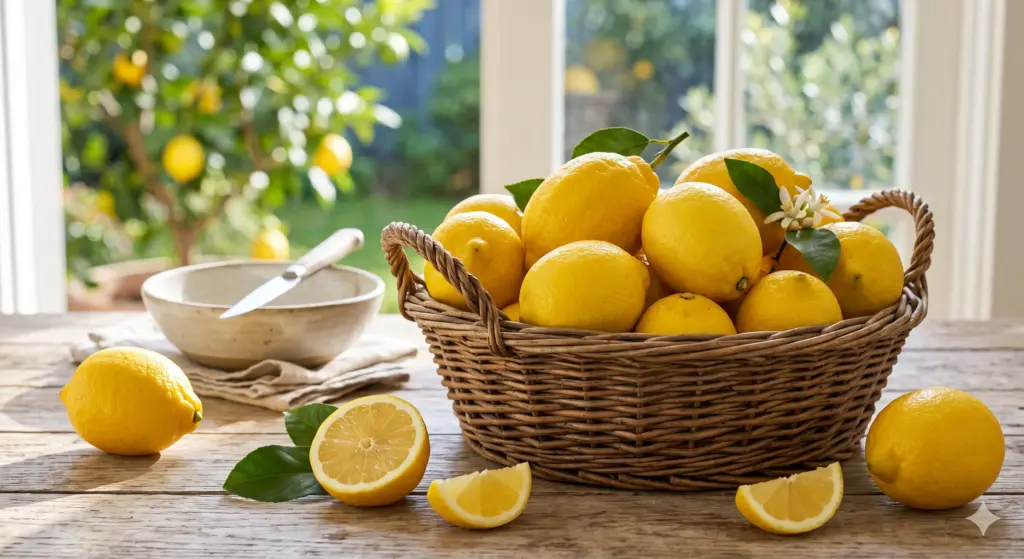
Table of Contents
Quick Summary
Citrus limon (L.) Osbeck, globally recognized as the Lemon, is an essential evergreen fruit tree belonging to the Rutaceae family. Revered for millennia in both culinary and traditional medicine systems like Ayurveda and Unani, it is celebrated for its diverse pharmacological profile. Scientific evidence validates that Citrus limon possesses profound antioxidant, neuroprotective, and antihyperglycemic activities, primarily driven by its rich reservoir of flavonoids (hesperidin, eriocitrin), coumarins, and monoterpenes such as d-limonene. It is clinically noted for its ability to modulate metabolic pathways, enhance immune function, and provide significant defense against neurodegenerative hallmarks. Common therapeutic preparations include essential oils, juice extracts, and concentrated peel powders. While universally considered Safe, a critical safety note indicates that expressed lemon oil contains furocoumarins, which may cause phototoxicity upon skin exposure to UV light.
Key Therapeutic Benefits
- Multi-targeting Neuroprotection in Alzheimer’s and Parkinson’s Citrus limon peel polyphenols act as potent inhibitors of butyryl cholinesterase (BuChE) and monoamine oxidases (MAO-A/B), which are critical enzymes in neurodegenerative decline. It effectively interferes with Abeta(1-40) peptide aggregation, reducing the formation of toxic fibrils in the brain. This molecular shielding protects neurons from oxidative stress-induced apoptosis and restores neurotransmitter balance. (Arcone, 2023; Sahu, 2020; Li, 2020).
- Clinical Normalization of Fasting Blood Glucose Oral administration of food supplements containing Citrus limon extract significantly improves glucose metabolism in individuals with impaired fasting glycemia. It enhances insulin signaling in adipocytes by increasing the levels of PPARgamma and GLUT4, directly overcoming TNF-alpha-induced insulin resistance. This mechanism effectively stabilizes postprandial glucose levels and prevents the progression to type 2 diabetes. (Di Minno, 2025; Sorrenti, 2021; Loizzo, 2019).
- Antihypertensive Modulation via Endothelial Protection Lemon fruit juice and peel extracts induce a significant reduction in mean arterial blood pressure by protecting the vascular endothelium. It inhibits angiotensin-1-converting enzyme (ACE) and augments the production of nitric oxide (NO), facilitating vasorelaxation. These cardiovascular effects are particularly effective in attenuating arsenic-induced endothelial damage and hypertension. (Ademosun, 2018; Rana, 2022; Tiencheu, 2021).
- Disruption of Cariogenic Streptococcus mutans Biofilms Methanolic extracts and essential oils of Citrus limon exhibit robust antimicrobial activity against Streptococcus mutans, the primary pathogen in dental caries. It disrupts established biofilm architectures and inhibits bacterial proliferation by targeting metabolic pathways. This makes lemon-derived compounds promising candidates for the development of natural anti-caries oral health products. (Abed, 2023; Nikolic, 2017; Khanem, 2025).
- Synergistic Amelioration of Systemic Inflammation Combinatorial formulations of Zingiber officinale and Citrus limon juices significantly protect against rat paw edema by reducing vascular permeability. It suppresses the expression of pro-inflammatory cytokines, including TNF-alpha, IL-1beta, and IL-6, while inhibiting the denaturation of tissue proteins. This anti-inflammatory profile is mediated through the coordination of noradrenergic and serotonergic mechanisms. (Bekkouch, 2023; Pucci, 2020; Li, 2022).
- Caspase-Mediated Apoptosis in Malignant Breast Cancer Citrus limon-derived nanovesicles and rind essential oils selectively induce TRAIL-mediated apoptotic cell death in breast cancer cell lines (MCF-7, MDA-MB-231). They downregulate Acetyl-CoA Carboxylase 1 (ACACA), inhibiting the lipid metabolism required for tumor growth. This specific cytotoxicity is achieved with significantly milder effects on normal fibroblasts compared to standard chemotherapy. (Boye, 2024; Raimondo, 2015; Deylami, 2025).
- Miticidal and Antiparasitic Efficacy in Trichinellosis Lemon oil demonstrates remarkable miticidal activity against Sarcoptes scabiei, achieving 100% mortality in infected animal models. It also serves as a potent remedy for trichinellosis by substantially decreasing adult and larval counts through the inhibition of serum TNF-alpha. These destructive effects are ultrastructurally evident, causing irreversible damage to the parasite’s internal architecture. (Aboelhadid, 2016; Salama, 2021; Mohammed, 2025).
- Anxiolytic and Mood-Elevating Behavioral Effects Essential oils from Citrus limon leaves produce significant antidepressant and anxiolytic effects by interacting with benzodiazepine-type receptors. It decreases immobility time in forced swimming tests and increases exploratory entries into open arm environments. These behavioral improvements are linked to the stimulation of central monoaminergic systems, offering a natural intervention for anxiety disorders. (Campelo, 2011; Riaz, 2017; Badiche-El Hilali, 2024).
- Acceleration of Diabetic Wound Healing and Angiogenesis Topical application of Citrus limon peel essential oil gel significantly increases the expression of VEGF and CD-31 in traumatic ulcers. It accelerates the processes of angiogenesis and vasculogenesis, which are typically delayed in diabetes-afflicted subjects. This enhancement promotes rapid wound contraction and tissue repair by minimizing oxidative stress in healing mucosal tissues. (Ayuningtyas, 2023; Sakthivel, 2022; Hashempur, 2025).
- Anti-urolithic Inhibition of Kidney Stone Recurrence Lemon peel extracts act as potent preventive and curative agents for hyperoxaluric urolithiasis. It significantly reduces the urinary excretion of calcium and oxalate while suppressing the expression of inflammatory markers like NF-kappaB in renal tissues. Regular administration restores healthy levels of urea and creatinine, effectively curing established kidney stone disease. (Sridharan, 2016; Ledesma-Escobar, 2015; Elwan, 2019).
- Prophylactic Hepatoprotection Against Chemical Toxins Essential oils and fruit peel extracts shield the liver from acute damage induced by aspirin, carbon tetrachloride, and olive oil. It retrieves healthy levels of hepatic marker enzymes (ALT, AST, ALP) and prevents steatohepatitis by augmenting endogenous antioxidants. This “liver-shielding” effect abates hepatocarcinogenesis by improving the liver’s biosynthetic and detoxification functions. (Bouzenna, 2016; Pagliari, 2024; Almadiy, 2023).
- Modulation of MSC Differentiation Toward Osteogenesis Exosome-like nanovesicles isolated from Citrus limon juice (EXO-CLs) directly influence human mesenchymal stromal cells (MSC). These nanostructures deliver citrates and vitamin C into cells, providing a significant protective effect against oxidative stress. Furthermore, they modulate MSC differentiation toward the osteogenic lineage, suggesting potential benefits for human bone health and regeneration. (Baldini, 2018; Yildirim, 2024; Chatzimitakos, 2023).
- Improvement of Sexual Development and Testosterone Treatment with Citrus limon juice in animal models elicits a significant increase in plasma levels of gonadotropins and testosterone. It enhances the sexual development capacity of female subjects by providing high concentrations of vitamin C and flavonoids. This revitalizing effect supports the hypothalamic-pituitary-gonadal axis and suggests potential as a functional food for reproductive health. (Ademosun, 2022; Riaz, 2018; Di Rauso Simeone, 2020).
- Antidiarrheal Regulation via Beta-Adrenergic Systems Hexane extracts of the lemon peel possess significant antidiarrheal effects through antisecretory and antimotility mechanisms. It works by blocking the beta-adrenergic system, which significantly inhibits intestinal fluid accumulation and reduces intestinal transit time. This validates its use as an affordable and accessible treatment for acute diarrheal episodes in children. (Adeniyi, 2017; Noshad, 2021; Hafeez, 2023).
- Reversible Suppression of Spermatogenesis and Fertility Oral administration of Citrus limon leaf extract induces a reversible suppression of male fertility by causing nonuniform degenerative changes in the seminiferous tubules. It induces germ cell apoptosis and reduces serum testosterone levels, significantly lowering sperm motility and viability. Fertility indices return to control levels following treatment withdrawal, indicating its potential as a natural contraceptive. (Ezzat, 2024; Singh, 2016; Liu, 2020).
- Antiadipogenic Potential and Lipid Metabolism Regulation Peel-derived coumarins, such as 5-geranyloxy-7-methoxycoumarin, act as potent antiadipogenic constituents that inhibit the formation of new fat cells. Citrus limon extracts increase the expression of fat metabolism-related genes and decrease total cholesterol and triglycerides. These adjustments lead to reduced visceral fat accumulation and a better systemic atherogenic index in high-fat diet models. (Alperth, 2025; Sorrenti, 2021; Bucar, 2025).
- Cardioprotective Prevention of Thromboembolism Lemon juice significantly prolongs bleeding and thrombin times by inactivating thrombin and reducing fibrinogen concentration. It inhibits platelet aggregation, thereby preventing the formation of dangerous blood clots that lead to thrombosis. This anticoagulant effect suggests a major role for Citrus limon as a cardioprotective food supplement for managing vascular health. (Hamdi, 2023; Riaz, 2014; Loizzo, 2019).
- Larvicidal Control of Malaria and Dengue Vectors Citrus limon essential oils and bimetallic nanoparticles synthesized from its leaves exhibit significant toxic activity against the larvae of Anopheles stephensi and Aedes aegypti. It works by inhibiting key mosquito enzymes including acetylcholinesterase and alpha-amylase. This eco-friendly approach effectively controls pathogen vectors without lethal effects on non-target aquatic predatory insects. (Ali, 2025; Sujitha, 2013; Minal, 2020).
- Potent Antifungal Activity Against Candida albicans Nanoemulsions and sulfur nanoparticles of lemon extract exhibit superior antifungal properties against Candida albicans compared to crude oil. It disrupts fungal cell wall integrity and inhibits biofilm formation, showing a synergistic effect when combined with standard antibiotics. At optimized concentrations, it reduces the viability of pathogenic yeast species to zero. (Haghani, 2025; Radithia, 2023; Baloch, 2023).
- Genoprotective Shielding Against DNA Damage Endophytic metabolites and antimutagenic coumarins (like wakayamalimonol) isolated from Citrus limon provide robust protection against DNA strand breakage. It significantly reduces nuclear deformities and aberrant cell formation in lymphocytes pretreated with toxic concentrations of H2O2. These constituents effectively scavenge hydroxyl radicals, preventing genotoxicity induced by chemical mutagens. (Kaur, 2020; Matsumoto, 2017; Ledesma-Escobar, 2016).
- Molecular Inhibition of SARS-CoV-2 Main Protease Bioactive phytochemicals from Citrus limon, notably diosmetin, eriodictoyl, and quercetin, serve as potential inhibitors against the SARS-CoV-2 main protease (Mpro). In silico molecular docking and dynamic simulations confirm high binding affinities to the active viral site, potentially blocking viral entry and replication. These results highlight lemon as a therapeutic target for managing COVID-19 symptoms. (Khan, 2022; Raman, 2024; Bibi, 2025).
- Bioavailability Enhancement for Topical Drug Delivery Lemon essential oil acts as a safe and effective penetration enhancer for the topical administration of lipid- and water-soluble vitamins (A, E, B6, C). It significantly increases the flux of vitamins through the reconstructed human epidermis by factors ranging from 3.4 to 9-fold. This enhancement is achieved through reversible modifications of skin permeability without permanent tissue damage. (Valgimigli, 2012; Goswami, 2013; Li, 2012).
- Preservation of Postharvest Quality in Food Matrices Application of chitosan coatings enriched with Citrus limon essential oil extends the shelf life of beef and buffalo meat by reducing fat oxidation and microbial growth. It prevents the proliferation of Listeria monocytogenes in fermented milk and maintains the nutritional stability of fruits by enhancing defense enzyme activities. These coatings effectively preserve sensory characteristics like color and odor during storage. (Nikhil, 2025; Isvand, 2024; Palmas, 2020).
- Efficient Biocatalytic Biodegradation of Toxic Dyes Peroxidase extracted from Citrus limon peels serves as a highly efficient and eco-friendly biocatalyst for the decolorization of reactive dyes (e.g., Colfax Blue). It achieves up to 99% degradation of initial dye concentrations within minutes, offering a sustainable solution for treating textile industry effluents. This upcycling of agricultural waste supports environmental detoxification and wastewater management. (Riaz, 2023; Kundu, 2023; Hamad, 2023).
- Amelioration of Nasal Allergy and Hay Fever Symptoms Standardized mixtures of Citrus limon (succus) used as a nasal spray inhibit histamine release from mast cells in hay fever patients. It significantly improves nasal flow after allergen provocation and reduces symptoms like congestion and sneezing. Clinical crossover studies demonstrate excellent tolerability and an anti-allergic effect that does not interfere with normal mucociliary clearance. (Degen, 2000; Hoffmann, 2016; Bakshi, 2021)
How It Works (Phytochemistry)
- d-Limonene → Induction of angiogenesis via VEGF upregulation → Wound Healing
- Hesperidin → Inhibition of HMG-CoA reductase and lipid peroxidation → Cholesterol & Heart Health
- Eriocitrin → Scavenging of DPPH radicals and alpha-glucosidase inhibition → Antidiabetic & Antioxidant
- Diosmetin → High binding affinity to SARS-CoV-2 main protease (Mpro) → Antiviral (COVID-19)
- 5-Geranyloxy-7-methoxycoumarin → Inhibition of pre-adipocyte differentiation → Anti-obesity
- Citric Acid → Chelation of iron and stabilization of silver nanoparticles → Nanomedicine Synthesis
- Methyl epijasmonate → Modulation of plant defense and potential sedative pathways → Anxiolytic & Relaxant
- Limonin → Induction of apoptosis and inhibition of tumor promotion → Anticancer Potential
Traditional Knowledge
- Ayurveda: Known as Nimbaka or Lema, it is traditionally used to ignite Agni (digestive fire) and treat dyspepsia and respiratory disorders. It is considered a “Vata-Kapha Shamaka” herb for balancing systemic energies.
- Brazilian Traditional Medicine: The leaves and fruit are utilized as popular sedative and anxiolytic agents for managing nervousness and insomnia.
- Unani: Employed as a cardiac and liver stimulant, a refrigerant for systemic heat, and a treatment for bronchitis.
- Folk Medicine: Historically burnt as a mosquito repellent in various regions and used in the Middle East for food preservation and as an antidote to certain venoms.
Usage and Preparations
- Fruit Juice (Succus): Orally consumed at 0.4 mL/kg for maximal anticoagulant and cardioprotective effects.
- Peel Powder (Churna): Supplemented in daily diets to manage hyperoxaluric kidney stones and obesity.
- Expressed Essential Oil: Used in aromatherapy for anxiety or diluted topically as a miticidal agent for mange.
- Nasal Spray: Standardized 1-3% solutions used clinically for relieving hay fever symptoms.
- Lyophilized Extract: Loaded into niosomes or liposomes for targeted breast cancer therapy and improved bioavailability.
- Aqueous Leaf Infusion: Traditionally utilized for its sedative and anti-stress benefits.
Identity and Authentication
- Botanical Name: Citrus limon (L.) Osbeck
- Family: Rutaceae
- Common Names: Lemon, Citron, Nimbaka, Lema, Bitter Lemon.
- Morphology: A small evergreen tree with thorny branches, ovate leaves, fragrant white/purple flowers, and yellow ellipsoidal fruits.
- Plant Part Used: Peels (Flavedo), Fruit Juice, Leaves, and Seeds.
- Analytical Markers: Authenticated using GC-MS and HPLC-DAD for d-limonene (typically >60% in oil), hesperidin, eriocitrin, and specific coumarins like citropten.
Dosage and Safety
- Dosage: Effective clinical doses range from 300 mg to 1200 mg of standardized extract daily. Fruit juice is used at 1 mL/kg in behavioral and metabolic research. (Saxena, 2012; Riaz, 2014).
- Side Effects: Generally safe; however, high concentrations may cause skin and eye irritation or gastric acidity. (EFSA, 2021).
- Toxicity: LD50 of peel extract is >5000 mg/kg; negligible cytotoxicity is observed in human fibroblast cell lines at therapeutic doses. (Sridharan, 2016; Kamel, 2024).
- Drug Interactions: Synergizes with Sildenafil for erectile dysfunction and Metformin for blood sugar; may enhance the blood levels of Oxytetracycline. (Ademosun, 2022; Vijayarani, 2020).
- Classification: Safe (culinary/short-term); Caution (High-dose use in pregnancy and phototoxicity with expressed oils).
FAQs
- Can Citrus limon help with anxiety? Yes, its essential oil interacts with benzodiazepine receptors, acting as a natural anxiolytic and sedative when inhaled or consumed at moderate doses.
- Does lemon juice really lower blood pressure? Scientific studies show it inhibits ACE and boosts nitric oxide production, facilitating vasorelaxation and reducing mean arterial pressure.
- Is it safe to use lemon oil on the skin? Expressed lemon oil is phototoxic due to furocoumarins; it must be diluted and sun exposure avoided for 12-24 hours after topical application.
- How does lemon assist in diabetes management? It increases GLUT4 translocation and inhibits carbohydrate-digesting enzymes, directly improving insulin sensitivity and lowering fasting blood sugar.
- Can Citrus limon prevent kidney stones? Yes, peel extracts significantly reduce urinary calcium and oxalate levels, preventing the formation and aggregation of kidney stones.
- Does lemon help with weight loss? Research indicates specific coumarins in the peel inhibit adipogenesis (fat cell formation) and regulate genes involved in fat metabolism.
- Is lemon effective against bacteria like E. coli? Yes, both the essential oil and juice disrupt bacterial biofilms and cell membranes, particularly against pathogens like E. coli and S. aureus.
- Can I take lemon juice with my heart medication? Caution is advised. It has anticoagulant effects and inhibits thrombin, which may enhance the activity of blood-thinning prescriptions.
- How long does it take for lemon to improve memory? In animal models of neurodegeneration, significant improvements in cognitive tasks were observed after 15 to 30 days of consistent use.
- Is lemon juice safe during pregnancy? While culinary amounts are safe, medicinal doses of leaf extracts should be avoided as they may cause a reversible suppression of fertility markers.
References
- Kunjukutty, N., et al., 1966, Indian Vet J, 43(5), 453-460.
- Kordan, H. A., 1969, Experientia, 25(5), 517-518.
- Beridze, T. G., 1980, Mol Biol (Mosk), 14(1), 126-135.
- Trovato, A., et al., 1996, Phytomedicine, 2(3), 221-227. [Turn Context]
- Degen, J., et al., 2000, Arzneimittelforschung, 50(1), 39-42.
- Lucker, J., et al., 2002, Eur J Biochem, 269(13), 3160-3171.
- El Tamer, M. K., et al., 2003, Arch Biochem Biophys, 411(2), 196-203.
- Gil-Izquierdo, A., et al., 2004, J Agric Food Chem, 52(2), 324-331.
- Tomer, K., et al., 2010, J Adv Pharm Technol Res, 1(1), 49-55.
- Valgimigli, L., et al., 2012, Int J Cosmet Sci, 34(4), 347-356. DOI: 10.1111/j.1468-2494.2012.00721.x
- Hamdan, D., et al., 2013, Z Naturforsch C J Biosci, 68(7-8), 275-284.
- Ariaz, A., et al., 2014, Pak J Pharm Sci, 27(6), 1837-1840. PubMed: 25345388
- Bouzenna, H., et al., 2016, Biomed Pharmacother, 83, 1327-1334. DOI: 10.1016/j.biopha.2016.08.049
- Cilia, R., et al., 2017, Neurology, 89(5), 432-438. PubMed: 28679598
- Loizzo, M. R., et al., 2019, Antioxidants (Basel), 8(1), 21. DOI: 10.3390/antiox8010021
- Sakthivel, S., et al., 2022, Heliyon, 8(9), e10406. [Retracted 2025]
- Bekkouch, O., et al., 2023, ACS Omega, 8(30), 26715-26724. DOI: 10.1021/acsomega.3c01332
- Abdo, S. E., et al., 2024, Vet Sci, 11(10).
- Bucar, F., et al., 2025, Phytother Res, 39(5), 1879-1882.
- Mohammed, M. M. D., et al., 2025, Sci Rep, 15(1), 624. DOI: 10.1038/s41598-024-81498-7
Jump to: Benefits | Phytochemistry | Dosage | FAQs