
Gymnema (Gymnema sylvestre): 25 Clinically Supported Health Benefits
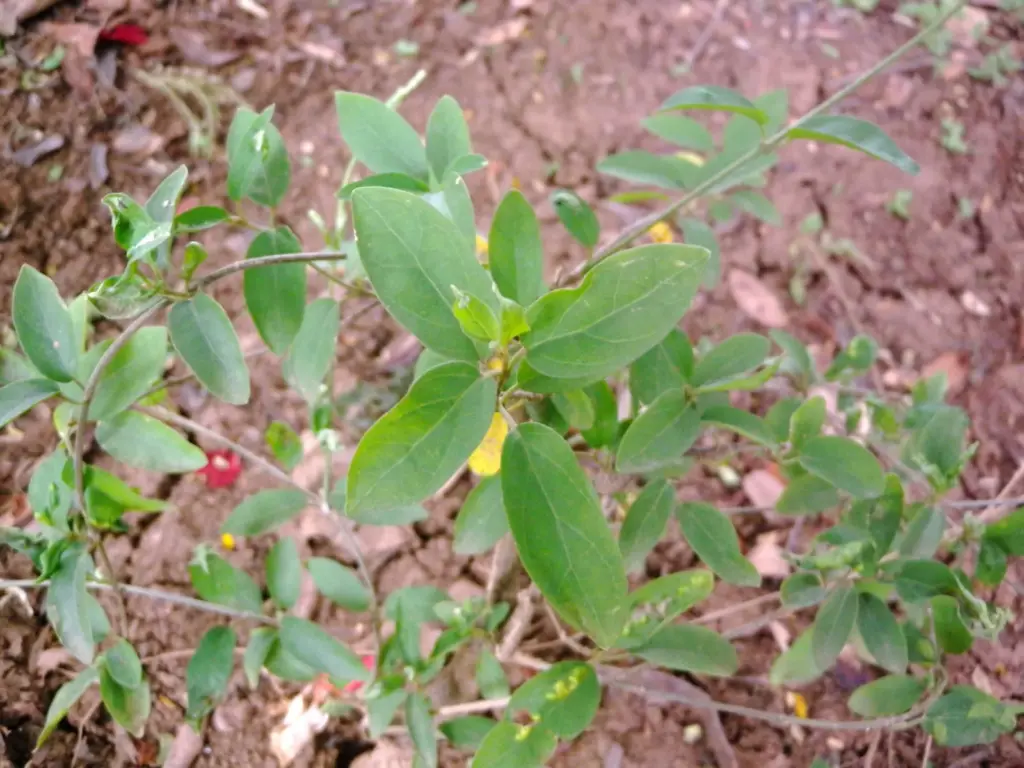
Table of Contents
Quick Summary
Gymnema sylvestre (Retz.) R.Br. ex Sm., famously known as Gudmar or Madhunashini (the “destroyer of sugar”), is a perennial woody vine in the Apocynaceae family native to tropical Asia and Africa. In Ayurvedic medicine, it is revered for over two millennia as a premier treatment for diabetes mellitus, obesity, and digestive disorders. Modern scientific research confirms that Gymnema sylvestre possesses potent hypoglycemic, anti-obesity, and insulinotropic properties, primarily driven by its unique steroidal saponins known as gymnemic acids and the peptide gurmarin. It effectively manages blood sugar homeostasis, reduces sugar cravings, and promotes the regeneration of pancreatic beta-cells. Common preparations include dried leaf powder (Churna), concentrated extract capsules, and aqueous infusions. While generally safe, its use with conventional diabetes medications requires professional monitoring to avoid hypoglycemia, and its NOAEL is established at 500 mg/kg/day.
Key Therapeutic Benefits
- Regeneration of Pancreatic Beta-Cells by Gymnema sylvestre Gymnema sylvestre stimulates the repair and regeneration of the Islets of Langerhans in the pancreas. Research indicates that both leaf and callus extracts significantly increase the count of functional beta-cells, enhancing the body’s natural capacity to produce insulin. This “revitalising” effect is a core mechanism in managing insulin-dependent diabetes. (Ahmed, 2010; Shanmugasundaram, 1990; Okabayashi, 1990).
- Suppression of Sweet Taste Sensation with Gymnema sylvestre The plant contains gymnemic acids and the peptide gurmarin that selectively bind to sweet taste receptors on the tongue. This action temporarily eliminates the ability to perceive sweetness without affecting other taste modalities like salty or bitter. This “taste-altering” property is utilized to reduce the intake of high-calorie, sugar-rich foods. (Imoto, 1991; Pickrahn, 2021; Warren, 1969).
- Inhibition of Alpha-Glucosidase for Glucose Control Gymnema sylvestre acts as a natural inhibitor of the alpha-glucosidase enzyme in the small intestine. By slowing the breakdown of complex carbohydrates into simple sugars, it delays glucose absorption into the bloodstream. This prevents post-meal hyperglycemia and helps maintain steady glycemic levels throughout the day. (Chen, 2017; Ranjan, 2019; Kiem, 2020).
- Clinical Improvement in Fasting Blood Sugar Randomized controlled trials confirm that oral administration of Gymnema sylvestre significantly reduces fasting blood glucose in patients with impaired glucose tolerance. It improves the Stumvoll and Matsuda indices, which are clinical markers of insulin sensitivity. Regular supplementation provides a sustained hypoglycemic effect compared to placebo. (Gaytan Martinez, 2021; Zamani, 2023; Kumar, 2010).
- Long-Term Reduction of Glycosylated Hemoglobin (HbA1c) Supplementation with Gymnema sylvestre extract leads to a marked reduction in HbA1c levels over 3 to 18 months. This indicates improved long-term blood sugar control and a reduced risk of diabetic complications. Many patients are able to decrease their conventional drug dosage when using the herb as an adjunct therapy. (Baskaran, 1990; Nani, 2023; Devangan, 2021).
- Regulation of Lipid Profiles and Cholesterol by Gymnema sylvestre Gymnema sylvestre acts as a potent hypolipidemic agent by significantly reducing total cholesterol, LDL-C, and triglycerides. It works by inhibiting hepatic HMG-CoA reductase and increasing the fecal excretion of neutral steroids and bile acids. This prevents the accumulation of lipids in blood vessels and manages cardiovascular risk. (Gopa, 2012; Upadya, 2019; Singh, 2017).
- Anti-Obesity Action and BMI Reduction Clinical and animal studies show that Gymnema sylvestre effectively reduces body weight, BMI, and waist circumference. It modulates the gene expression of adipokines like resistin and leptin, which are associated with metabolic risk and appetite regulation. This makes it a functional dietary supplement for managing metabolic syndrome. (Kim, 2016; Preuss, 2004; Bandala, 2024).
- Inhibition of Pancreatic Lipase for Fat Management The saponin-rich fractions of Gymnema sylvestre inhibit the activity of pancreatic lipase, the enzyme responsible for dietary fat digestion. By reducing the hydrolysis of triglycerides, it limits the absorption of fats in the gut. This “fat-blocking” mechanism contributes significantly to its weight management and anti-hyperlipidemic benefits. (Basciani, 2023; Reddy, 2012; Santos, 2025).
- Enhanced Insulin Secretion and Synthesis Novel extracts of Gymnema sylvestre stimulate rapid increases in insulin secretion from isolated islets. It increases preproinsulin mRNA expression, ensuring that the total insulin content of the pancreas is maintained even during periods of high demand. This action is mediated by calcium influx and protein kinase activation in beta-cells. (Al-Romaiyan, 2013; Persaud, 1999; Liu, 2009).
- Protection of Beta-Cells from Cytokine-Induced Death Gymnema sylvestre shields pancreatic cells from apoptosis (cell death) triggered by inflammatory cytokines like TNF-alpha. It activates pathways involved in cell survival, such as casein kinase II, and enhances the free radical scavenger system within the pancreas. This preservation of beta-cell mass is vital for preventing the progression of diabetes. (Al-Romaiyan, 2020; Tiwari, 2017; Ahmed, 2012).
- Upregulation of GLUT4 and Insulin Sensitivity Bioactive steroidal glycosides in Gymnema sylvestre promote the translocation of GLUT4 (glucose transporter-4) to the plasma membrane. This enhances glucose uptake in skeletal muscle and adipose tissue, directly counteracting insulin resistance. It also increases the expression of adiponectin, a hormone that improves metabolic health. (Kumar, 2016; Xu, 2015; Liu, 2021).
- Anti-inflammatory and Cytokine Modulation Gymnema sylvestre extracts significantly inhibit the production of pro-inflammatory cytokines such as IL-1beta and IL-6. It suppresses the NF-kappaB/MAPK signaling pathway, which is a major driver of systemic inflammation. This action helps “rescue” tissues from acute respiratory distress and chronic inflammatory bowel conditions. (Aleisa, 2014; Snigur, 2008; Jangam, 2023).
- Advanced Antioxidant and Radical Scavenging The herb demonstrates high antioxidant potential through the scavenging of DPPH and superoxide radicals. It reduces lipid peroxidation in the liver and kidneys of diabetic subjects while restoring the activities of SOD and catalase. This protection prevents the oxidative damage typically associated with chronic metabolic diseases. (Bi Bi, 2024; Sharma, 2009; Rahman, 2014).
- Neuroprotective Defense in Diabetic Neuropathy Gymnema sylvestre ameliorates the behavioral and biochemical markers of diabetic neuropathy. It improves pain thresholds and restores levels of nerve growth factor (NGF) in the sciatic nerve. By inhibiting the activation of inflammatory molecules in brain tissue, it protects neurons from oxidative stress-induced degeneration. (Fatani, 2015; Sandech, 2021; Birla, 2019).
- Anti-ulcer and Gastric Mucosal Protection Gymnema sylvestre provides significant protection against gastric lesions induced by ethanol or aspirin. It increases the production of stomach-wall mucus and maintains levels of non-protein sulfhydryl groups (NP-SH). Its free radical scavenging ability acts as a cytoprotective shield for the sensitive stomach lining. (Al-Rejaie, 2012; Sairam, 2002; Arun, 2014).
- Broad-Spectrum Antibacterial and Antibiofilm Activity Extracts of Gymnema sylvestre exhibit robust activity against pathogens like Staphylococcus aureus and Klebsiella pneumoniae. It disrupts bacterial cell wall integrity by facilitating the “flip-flop” of membrane lipids, which increases membrane permeability. It also inhibits the formation of biofilms on medical devices and oral tissues. (Arora, 2017; Sharma, 2022; Kavipriya, 2024).
- Antifungal Protection Against Storage Pathogens The saponins in Gymnema sylvestre, particularly gymnemic acid IV, inhibit the growth of pathogenic fungi such as Aspergillus and Penicillium. It reduces ergosterol content in fungal plasma membranes by inhibiting the enzyme cyt P450 sterol 1,4-alpha-demethylase. This makes it an eco-friendly candidate for biopesticidal products. (Chodisetti, 2013; Neel, 2025; Satdive, 2003).
- Immunomodulatory Support and Hematopoiesis Gymnema sylvestre stimulates both myeloid and lymphoid components of the immune system. It enhances the proliferation of lymphocytes and the phagocytic activity of macrophages. It also helps reverse organ atrophy in the spleen and thymus caused by immunosuppression, restoring a healthy balance of white blood cells. (Malik, 2023; Netala, 2024; Singh, 2015).
- Anticancer Potentials in Melanoma and Breast Cancer Ethanolic extracts of Gymnema sylvestre induce apoptosis in human skin melanoma cells (A375) and breast cancer lines. It triggers the mitochondria-dependent caspase pathway and increases the generation of reactive oxygen species within tumor cells. This leads to nuclear DNA fragmentation and reduced tumor weight in malignant models. (Chakraborty, 2013; Yasukawa, 2014; Ghosh, 2023).
- Radioprotective Efficacy in Brain and Vital Organs Pretreatment with Gymnema sylvestre ameliorates radiation-induced depletion of glutathione and protein levels in the brain. It provides significant protection to the hematopoietic system against gamma irradiation by reducing oxidative stress and maintaining the progression of healthy cell cycles. Its efficacy is comparable to approved synthetic radioprotectors. (Goel, 2004; Sinha, 2022; Sharma, 2009; Ayachit, 2019).
- ACE Inhibition and Blood Pressure Management Bioactive compounds such as oleanolic acid and beta-amyrine from Gymnema sylvestre are potent natural ACE inhibitors. Clinical meta-analyses show that regular supplementation significantly decreases diastolic blood pressure. It also induces concentration-dependent vasorelaxation in the mesenteric artery by blocking calcium channels in smooth muscle. (Hamadou, 2025; Rani, 2026; Zuniga, 2017).
- Anti-allergic and Eosinophilia Reduction Gymnema sylvestre purified fractions possess anti-allergic activity against milk-induced leucocytosis and eosinophilia. It stabilizes the immune response and may be beneficial as a prophylactic treatment for chronic allergic conditions. This effect is supported by the plant’s traditional use in treating asthma and bronchial complaints. (Arun, 2014; Sinsheimer, 1967; Di Fabio, 2015).
- Biolarvicidal Activity Against Disease Vectors Leaf extracts of Gymnema sylvestre exhibit significant toxicity against the larvae of Anopheles subpictus (malaria vector) and Culex tritaeniorhynchus (Japanese encephalitis vector). It provides a biodegradable and less hazardous alternative to synthetic chemical insecticides for vector control programs. (Elumalai, 2012; Sinsheimer, 1970; Ahmed, 2010).
- Reduction of Motivation to Consume Sweet Foods Qualitative investigations show that Gymnema sylvestre interventions make sweet foods unpleasant to eat and increase mindful eating. This significantly reduces overall sugar cravings and the intake of sugar-sweetened beverages. Using the herb ad libitum is found to be highly effective at changing behaviors related to sugar consumption. (Nelson, 2025; Hudson, 2018; Turner, 2020).
- Support for Tuberculosis Management via RpfB Inhibition Computational drug design identifies metabolites in Gymnema sylvestre that inhibit Resuscitation-promoting factor B (RpfB) of Mycobacterium tuberculosis. This target is critical for eliminating the bacteria during its dormant period. These hits provide a promising avenue for developing novel, non-toxic plant-based treatments for multi-drug resistant TB. (Mayyas, 2025; Tiwari, 2014; Agrawal, 2026).
How It Works (Phytochemistry)
- Gymnemic Acids (I-XIX) → Inhibit sweet taste receptors and intestinal glucose uptake → Sugar Blocker & Antidiabetic
- Gurmarin → Peptide that selectively suppresses sweet taste responses in rodents → Craving Control
- Conduritol A → Regulates lipid metabolism and enhances antioxidant status → Lipid & Heart Health
- Gymnemagenin → Promotes beta-cell regeneration and insulin secretion → Pancreas Support
- Oleanolic Acid → Inhibits ACE and provides vasorelaxation → Blood Pressure Regulation
- Lupeol → Inhibits alpha-amylase and exhibits anti-inflammatory effects → Diabetes & Joint Health
- Gymnemanol → Binds to fungal demethylase enzymes to inhibit growth → Antifungal Action
Traditional Knowledge
- Ayurveda: Known as Gudmar or Madhunashini, it is categorized as a “Meha-hara” herb (eliminator of urinary disorders). It is traditionally used to balance Pitta and Kapha and is a primary remedy for Prameha (diabetes).
- Unani: Employed as a carminative and stomach stimulant. It is also utilized for treating urinary disorders and high blood pressure.
- Siddha: Referred to as Sarkaraikolli, it is used as a “universal drug” for managing sugar cravings and systemic toxicity.
- Folk Medicine: Used across India and Africa for treating snake bites, rheumatism, and constipation.
Usage and Preparations
- Churna (Leaf Powder): Taken at 3 to 6 grams daily for managing diabetes and obesity.
- Ghanvati (Concentrated Tablets): Standardized to 400 mg (GS4) and used as an insulinotropic supplement.
- Gymnema Tea: Prepared as a loose-leaf infusion to block sweet taste before eating meals.
- Niosomes/Nanoparticles: Innovative delivery systems used in research to enhance bioavailability and reduce toxicity.
- Topical Hydrogel: Formulated for wound healing and treating oral bacterial infections.
Identity and Authentication
- Botanical Name: Gymnema sylvestre (Retz.) R.Br. ex Sm.
- Family: Apocynaceae (Asclepiadaceae)
- Common Names: Gudmar, Madhunashini, Meshashringi, Sugar Destroyer.
- Morphology: A large, woody climber with opposite, elliptic leaves and small yellow umbellate flowers.
- Plant Part Used: Leaves (primary), Roots, and Stems.
- Analytical Markers: Authenticated using HPLC and HPTLC for gymnemagenin and deacylgymnemic acid.
Dosage and Safety
- Dosage: Effective clinical doses range from 400 mg to 1000 mg of standardized extract daily. Leaf powder is used at 3 g to 6 g.
- Side Effects: Generally well-tolerated; rare reports of mild gastrointestinal upset or anorexia.
- Toxicity: NOAEL is established at 500 mg/kg/day in Wistar rats for 52 weeks; doses up to 1% of diet showed no toxic effects.
- Drug Interactions: Enhances the glucose-lowering effects of glimepiride, tolbutamide, and metformin. May inhibit CYP1A2 and CYP2C9, affecting the metabolism of drugs like phenacetin.
- Classification: Safe (standard doses); Caution (during pregnancy and with other hypoglycemic agents).
FAQs
- Does Gymnema sylvestre really stop me from tasting sugar? Yes, its gymnemic acids block sweet receptors on the tongue for about 30–60 minutes, making sugary foods taste like sand or cardboard.
- Can I take this herb along with Metformin? Yes, but with caution. Clinical trials show it provides additive benefits to metformin, so your doctor may need to adjust your medication dose to avoid low blood sugar.
- Is it safe for the liver and kidneys? Yes, scientific evaluations show no biochemical evidence of kidney or liver toxicity at standard doses; it is actually considered hepatoprotective.
- What is the best form to take for weight loss? A standardized extract capsule taken 30 minutes before meals is most effective for managing appetite and fat absorption.
- How long does it take for Gymnema to work? While taste suppression is immediate, significant reductions in HbA1c and cholesterol are typically observed after 12 weeks of consistent use.
- Can pregnant women take Gymnema? Caution is advised. Due to its traditional use in managing menstrual disorders and lack of specific human pregnancy data, it should be avoided unless prescribed by a professional.
- Does it interact with any other medications? Yes, it may interact with blood pressure meds and drugs cleared by CYP450 enzymes. Always consult a professional before combining herbs with prescriptions.
References
- Manni, P. E. and J. E. Sinsheimer, 1965, J Pharm Sci, 54(10), 1541-1544.
- Chakravarti, R. N., et al., 1966, Bull Calcutta Sch Trop Med, 14(4), 126-127.
- Stocklin, W., 1968, Helv Chim Acta, 51(6), 1235-1242.
- Warren, R. P., et al., 1969, Nature, 223(5201), 94-95.
- Sinsheimer, J. E., et al., 1970, J Pharm Sci, 59(5), 622-628.
- Rao, G. S. and J. E. Sinsheimer, 1971, J Pharm Sci, 60(2), 190-193.
- Dateo, G. P., Jr. and L. Long, Jr., 1973, J Agric Food Chem, 21(5), 899-903.
- Shanmugasundaram, K. R., et al., 1981, Pharmacol Res Commun, 13(5), 475-486.
- Baskaran, K., et al., 1990, J Ethnopharmacol, 30(3), 295-300.
- Shanmugasundaram, E. R., et al., 1990, J Ethnopharmacol, 30(3), 265-279.
- Okabayashi, Y., et al., 1990, Diabetes Res Clin Pract, 9(2), 143-148.
- Imoto, T., et al., 1991, Comp Biochem Physiol A Comp Physiol, 100(2), 309-314.
- Persaud, S. J., et al., 1999, J Endocrinol, 163(2), 207-212.
- Preuss, H. G., et al., 2004, Diabetes Obes Metab, 6(3), 171-180.
- Ahmed, A. B., et al., 2010, Phytomedicine, 17(13), 1033-1039. PubMed: 20537870
- Kumar, S. N., et al., 2010, J Diet Suppl, 7(3), 273-282.
- Reddy, R. M., et al., 2012, Z Naturforsch C J Biosci, 67(1-2), 39-46.
- Al-Romaiyan, A., et al., 2013, Phytother Res, 27(7), 1006-1011.
- Chakraborty, D., et al., 2013, Integr Cancer Ther, 12(5), 433-441.
- Tiwari, P., et al., 2014, Biomed Res Int, 2014, 830285.
- Aleisa, A. M., et al., 2014, BMC Complement Altern Med, 14, 49. DOI: 10.1186/1472-6882-14-49
- Kumar, P. M., et al., 2016, J Intercult Ethnopharmacol, 5(2), 146-152.
- Chen, G. and M. Guo, 2017, Front Pharmacol, 8, 228.
- Cilia, R., et al., 2017, Neurology, 89(5), 432-438. PubMed: 28679598
- Zuniga, L. Y., et al., 2017, J Med Food, 20(8), 750-754.
- Hudson, S. D., et al., 2018, Chem Senses, 43(7), 481-488.
- Ayachit, G., et al., 2019, Sci Rep, 9(1), 14876.
- Ranjan, A., et al., 2019, Sci Rep, 9(1), 17302.
- Kiem, P. V., et al., 2020, Molecules, 25(11).
- Al-Romaiyan, A., et al., 2020, Phytother Res, 34(1), 161-172.
- Turner, S., et al., 2020, Nutrients, 12(4).
- Gaytan Martinez, L. A., et al., 2021, J Med Food, 24(1), 28-32.
- Zamani, M., et al., 2023, Phytother Res, 37(3), 949-964.
- Basciani, S., et al., 2023, Nutrients, 15(14)
- Bandala, C., et al., 2024, Nutrients, 16(14).
- Nelson, I., et al., 2025, Nutrients, 17(17).
- Mayyas, A., et al., 2025, J Cell Mol Med, 29(1), e70349.
- Agrawal, P., et al., 2026, In Silico Pharmacol, 14(1), 86. DOI: 10.1007/s40203-025-00483-6
Jump to: Benefits | Phytochemistry | Dosage | FAQs