
Eclipta alba: 20+ Evidence-Based Health Benefits
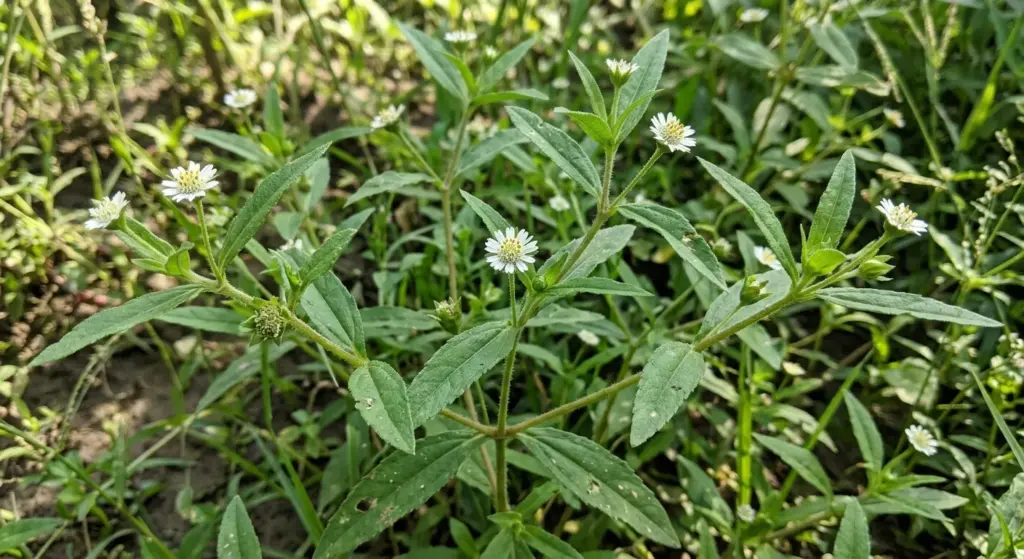
Table of Contents
Quick Summary
Eclipta alba (L.) Hassk., widely synonymized with Eclipta prostrata (L.) L. and famously known as Bhringaraj or False Daisy, is a creeping annual herb in the Asteraceae family. Native to tropical regions, Eclipta alba is a cornerstone of Ayurvedic medicine, where it is revered as a “reincarnated plant” for its profound rejuvenating effects on the hair, liver, and nervous system. Scientific research confirms that Eclipta alba possesses potent hepatoprotective, hair-growth promoting, and antihyperglycemic properties, primarily driven by its unique coumestans like wedelolactone and demethylwedelolactone. Traditionally used to treat jaundice, skin diseases, and memory loss, it is commonly available as Churna (leaf powder), standardized extracts, and taila (infused oils). While recognized as safe at standard supplemental levels, Eclipta alba must be used under supervision at high doses to avoid potential digestive irritation, and pregnant individuals should exercise caution.
Key Therapeutic Benefits
- Eclipta alba Advanced Hepatoprotective Shielding As a core Ayurvedic remedy, Eclipta alba provides robust defense against liver damage induced by alcohol and toxins like carbon tetrachloride. It restores healthy levels of liver transaminase enzymes and stimulates hepatocyte regeneration by reducing oxidative stress and fat deposition. The active coumestans, particularly wedelolactone, are essential for these liver-shielding effects. (Banji, 2010; Saxena, 1993; Han, 1998).
- Hair Growth Promotion by Eclipta alba Eclipta alba is traditionally acclaimed for its ability to restore hair loss by inducing the anagen phase of the hair cycle. Scientific studies show that it stimulates follicular keratinocyte proliferation and downregulates the expression of TGF-beta1, which otherwise signals for hair to stop growing. This leads to increased hair follicle count and significantly reduced initiation time for new growth. (Begum, 2015; Roy, 2008; Datta, 2009).
- Clinical Improvement in Glycemic Control with Eclipta alba Oral supplementation with Eclipta alba significantly lowers fasting blood sugar and HbA1c levels in diabetic models. It works by inhibiting the activities of glucose-6-phosphatase and fructose 1,6-bisphosphatase in the liver, while increasing hexokinase activity. This mechanism enhances systemic glucose utilization and improves overall insulin sensitivity. (Ananthi, 2003; Samani, 2016; Jaiswal, 2012).
- Neuroprotective Benefits of Eclipta alba in Parkinson’s Eclipta alba standardized extracts protect against the loss of dopamine-producing neurons by suppressing neuroinflammation and NF-kappaB activation. It significantly mitigates behavioral deficits and improves the expression of alpha-synuclein and mortalin in brain tissues. This makes the plant a promising candidate for managing neurodegenerative hallmarks. (Guenne, 2019; Xia, 2019; Jung, 2016).
- Broad-Spectrum Antibacterial Activity of Eclipta alba The alkaloids and saponins in Eclipta alba exhibit robust activity against pathogens like Staphylococcus aureus and E. coli. Bioactive verazine has been identified as a potent inhibitor of bacterial DNA gyrase and dihydrofolate reductase. This disrupts bacterial cell wall integrity and prevents the formation of protective biofilms that cause treatment resistance. (Ameen, 2023; Sharma, 2022; Phan, 2023).
- Eclipta alba Specific Cytotoxicity in Breast Cancer Eclipta alba induces apoptosis (programmed cell death) in human breast cancer cell lines by disrupting mitochondrial membrane potential and inducing DNA damage. Its extracts inhibit the migration and invasion of MCF-7 and MDA-MB-231 cells in a dose-dependent manner. This specific anticancer potential is achieved with minimal toxicity toward normal embryonic lung fibroblasts. (Mani, 2024; Nelson, 2020; Yadav, 2017).
- Antivenom Potential of Eclipta alba Against Pit Vipers Butanolic extracts of Eclipta alba contain demethylwedelolactone, which can neutralize the lethal and myotoxic activities of Malayan pit viper and rattlesnake venoms. It effectively inhibits the proteolytic and phospholipase A2 activity that causes tissue destruction following a bite. This provides a natural adjunct or complementary treatment to traditional serum therapy. (Diogo, 2009; Pithayanukul, 2004; Melo, 1994).
- Enhancement of Spatial Memory by Eclipta alba Daily administration of Eclipta alba improves learning and memory impairments induced by D-galactose or scopolamine. It acts as a memory enhancer by modulating cholinergic pathways and increasing the levels of “feel-good” neurotransmitters like dopamine and serotonin in the brain. This “nootropic” effect is further supported by its ability to enhance long-term potentiation (LTP) in the hippocampus. (Annepaka, 2024; Xia, 2019; Guenne, 2019).
- Anti-inflammatory Modulation of Eclipta alba Eclipta alba extracts significantly inhibit the release of pro-inflammatory cytokines such as TNF-alpha, IL-6, and nitric oxide. It works by blocking the NF-kappaB signaling pathway in stimulated macrophages and downregulating iNOS and COX-2 mRNA expression. This anti-inflammatory profile is effective in managing chronic conditions where inflammation leads to tissue damage. (Han, 2015; Tewtrakul, 2011; Le, 2021).
- Inhibition of Bone Loss and Osteoporosis by Eclipta alba Eclipta alba contains echinocystic acid and isoflavonoids that effectively prevent bone mass reduction induced by estrogen deficiency. It stimulates the differentiation of osteoblasts (bone-building cells) while inducing the apoptosis of osteoclasts (cells that break down bone). This dual action improves trabecular architecture and restores bone biochemical markers like osteocalcin. (Deng, 2015; Zhao, 2019; Lin, 2010).
- Eclipta alba Antimalarial Efficacy Against Plasmodium The methanolic leaf extract of Eclipta alba exhibits potent chemosuppression during both early and established infections of Plasmodium berghei. It significantly increases the mean survival time of infected models in a dose-dependent manner. Additionally, its repository activity indicates potential for long-term protection against the recurrence of the parasite. (Bapna, 2007; Rajakumar, 2015; Khurshid, 2020).
- Management of Atopic Dermatitis with Eclipta alba Topical and oral preparations of Eclipta alba effectively reduce epidermis thickness and infiltrated immune cells in models of atopic dermatitis. It restores the skin barrier function and balances imbalanced immune responses by suppressing Th1, Th2, and Th17 cytokines. Combined with diclofenac, it shows synergistic anti-inflammatory activity with virtually zero cytotoxicity. (Kang, 2022; Poyil, 2024; Hasatsri, 2023).
- Nephroprotective Renal Defense of Eclipta alba Eclipta alba protects the kidneys against toxicity induced by chemotherapeutic agents like cisplatin or gentamicin. It normalizes serum BUN and creatinine levels while reducing lipid peroxidation in renal tissues. This “kidney-shielding” effect ensures the preservation of vital renal architecture and prevents tubular alterations. (Dungca, 2016; Wang, 2020; Iqbal, 2021).
- Eclipta alba Modulation of Immune Function Eclipta alba polysaccharides exhibit significant anti-complementary activity, which is crucial for managing autoimmune-driven inflammation. It raises the conversion percentage of lymphocytes and enhances serum IgG levels, providing resistance to immunosuppression caused by drugs like cyclophosphamide. This makes it a potential therapeutic molecule for conditions like multiple sclerosis. (He, 1992; Wang, 2017; Cai, 2018).
- Antiepileptic and Seizure Regulation by Eclipta alba Eclipta alba demonstrates significant anticonvulsant activity by modulating GABAA receptors in the brain. Isolated luteolin has been shown to prevent PTZ-induced kindling and reduce associated oxidative stress markers like malondialdehyde. It provides 100% protection from mortality in acute seizure models without affecting motor coordination. (Guenne, 2019; Tambe, 2017; Shaikh, 2013).
- Antiviral Activity of Eclipta alba Against Hepatitis C Phytochemicals isolated from Eclipta alba, including wedelolactone and apigenin, display potent inhibition of HCV replicase (NS5B). They effectively inhibit HCV replication in cell culture systems, resulting in reduced viral RNA titers. This supports the plant’s traditional use for treating infective hepatitis and liver enlargement. (Manvar, 2012; Thyagarajan, 1982; Balkrishna, 2026).
- Anti-obesity Potential via Thermogenesis with Eclipta alba Eclipta alba contains a natural thiophene derivative that combats obesity by enhancing thermogenesis in adipose tissue. It upregulates Perilipin 5 (Plin5), which activates the AMPK/PGC-1alpha signaling pathway. This coordination promotes mitochondrial biogenesis and fatty acid oxidation, effectively preventing high-fat diet-induced weight gain. (Gupta, 2017; Zhang, 2025; Timalsina, 2021).
- Eclipta alba Relief for Asthma and Bronchial Dysplasia The methanolic extract of Eclipta alba reduces bronchial hyperresponsiveness and the production of Th2 cytokines in allergic asthma models. It ameliorates lung injury and suppresses the NLRP3 inflammasome and pyroptosis in alveolar macrophages. This mechanism is most likely associated with the coumestans inhibiting the NF-kappaB pathway. (Morel, 2017; Zheng, 2024; Ding, 2018).
- Management of Amlapitta (Hyperacidity) with Eclipta alba In clinical trials, Eclipta alba tablets significantly improved symptoms of Drava Bahula Amlapitta (hyperacidity). It acts through its Ushna (heating) and Ruksha (dry) qualities to balance the Pitta and Jala elements, reducing episodes of heartburn, nausea, and indigestion. It also provides protection against stress-induced gastric ulcers. (Han, 2015; Pol, 2011; Balkrishna, 2026).
- Cardiovascular Protection and Lipid Regulation with Eclipta alba Regular use of Eclipta alba powder significantly reduces total cholesterol, LDL-C, and triglycerides while elevating beneficial HDL-C. It exhibits a marked reduction in mean arterial pressure and plasma lipid peroxides in mildly hypertensive subjects. This “vascular-protective” action helps prevent oxidative stress-induced complications in the heart. (Dhandapani, 2007; Zhao, 2015; Kumari, 2006).
- Leishmanicidal Activity of Eclipta alba Saponins The saponin dasyscyphin C, isolated from Eclipta alba, shows good leishmanicidal activity against Leishmania major promastigotes. Silver nanoparticles synthesized from the plant also exhibit high anti-leishmanial activity against both promastigote and amastigote stages. This provides a potential natural therapeutic drug for managing parasitic infections. (Khanna, 2009; Sharma, 2022; Mani, 2024).
- Thrombolytic and Hemostatic Effects of Eclipta alba Eclipta alba acts as a “miracle hemostatic herb” for treating bleeding disorders like uterine bleeding and hematuria. Its sulfated flavonoids, such as luteolin 7-sulfate, exhibit high erythrocyte and fibrinogen aggregation efficiency. Conversely, certain peptide fractions demonstrate thrombolytic properties, suggesting a unique dual-regulatory effect on blood clotting. (Huang, 2026; Sato, 2024; Li, 2018).
- Anti-aggressive Behavior Effects of Eclipta alba The aqueous extract of Eclipta alba possesses significant anti-aggressive activity by minimizing dominance and agonistic encounters. It likely acts by restoring the fine balance of neurotransmitters such as GABA and dopamine that are disturbed during intimidating situations. This behavioral submission suggests potential use for managing impulsive neuropsychiatric alterations. (Banji, 2010; Lobo, 2008; Guenne, 2019).
- Environmental Phytoremediation with Eclipta alba Biomass Eclipta alba biomass is highly efficient at removing toxic heavy metals like Iron (Fe) from industrial pulp and paper mill waste. Additionally, biochar-modified constructed wetlands planted with Eclipta alba significantly remove organic pollutants and nitrates from rural domestic wastewater. This eco-friendly application highlights the plant’s unique role in environmental detoxification. (Panghal, 2024; Sharma, 2021; DOI: 10.1039/C9RA04746A).
- Potential Against Acute Myeloid Leukemia with Eclipta alba Computational and in-silico analyses suggest that compounds like kaempferol and apigenin from Eclipta alba target critical proteins like FLT3 and PIM1 in leukemia. These bioactives show strong binding affinities that may inhibit the progression of acute myeloid leukemia (AML). Preclinical models support its immunomodulating effect on NF-kB signaling in bone marrow cells. (Balkrishna, 2026; Nelson, 2020; Islam, 2025).
How It Works (Phytochemistry)
- Wedelolactone → Inhibits IKK and suppresses NF-kappaB pathway → Hepatoprotection & Anti-inflammatory
- Luteolin → Primary inhibitor of SRC kinase and MAO-A → Anticancer & Antidepressant Potential
- Demethylwedelolactone → Scavenges radicals and neutralizes phospholipase A2 → Antivenom & Liver Defense
- Echinocystic acid → Arrests cell cycle and induces apoptosis via caspase-3 → Anticancer & Osteoprotective
- Eclalbasaponin II → Disrupts bacterial cell membrane and induces mycelia deformation → Broad-spectrum Antimicrobial
- Verazine → Potent inhibitor of DNA gyrase and DHFR → Antibacterial Activity
- Eclalbatin → Major triterpene saponin contributing to nootropic activity → Memory Enhancement
Traditional Knowledge
- Ayurveda: Known as Bhringaraj (“King of Hair”), it is a cornerstone of the Rasayana (rejuvenation) branch. It is traditionally used to treat dyspepsia, diarrhoea, and jaundice, and is considered a “Tridosha Shamaka,” balancing all three vital energies.
- Chinese Medicine: Called Mo Han Lian, it is used for “cooling the blood,” stopping bleeding, and nourishing the liver and kidney. It is a specific remedy for loose teeth, tinnitus, and graying hair.
- Thai Medicine: Utilized by traditional doctors for curing blood-related diseases and supporting AIDS patients.
- Other Systems: In Unani, it is used for spleen enlargement; in African medicine, it is applied for skin diseases and snake bites.
Usage and Preparations
- Churna (Leaf Powder): Taken at 3 grams daily in capsules to reduce blood pressure and lipids.
- Bhringaraja Tablet: Administered at 2 grams (500 mg x 4) twice daily for treating hyperacidity (Amlapitta).
- Petroleum Ether Extract (PEE): Applied topically in an oleaginous base to treat alopecia and promote hair growth.
- Kwatha (Aqueous Decoction): Prepared by boiling leaves to reduce fasting blood sugar and treat liver disorders.
- Taila (Infused Oil): Traditionally prepared for hair growth and to provide neuroprotective benefits via head massage.
Identity and Authentication
- Botanical Name: Eclipta alba (L.) Hassk. (syn. Eclipta prostrata (L.) L.)
- Family: Asteraceae (Compositae)
- Common Names: Bhringaraj, Karisalankanni, False Daisy, Mo Han Lian, Yerba de Tago.
- Morphology: A prostrate or sub-erect perennial herb with succulent stems, opposite lanceolate leaves, and white flower heads.
- Plant Part Used: Whole plant (primary), Leaves, Roots, and Stems.
- Analytical Markers: Verified via HPLC, HPTLC, and LC-MS/MS for wedelolactone, demethylwedelolactone, and luteolin.
Dosage and Safety
- Dosage: Effective clinical doses range from 150 mg to 300 mg of standardized extract. Powder is typically used at 3 g to 6 g daily.
- Side Effects: Generally well-tolerated; however, high doses may cause loose stools (Vidbheda) or mild gastric discomfort.
- Toxicity: LD50 is established as undetectable up to 10.4 g/kg in hamster models; no mortality observed at 2000 mg/kg in OECD safety tests.
- Drug Interactions: Enhances the efficacy of glucocorticoids (prednisolone); may synergize with diabetes meds, requiring blood sugar monitoring.
- Classification: Safe (culinary and standard supplemental levels); Caution (during pregnancy and for individuals with severe diarrhea).
FAQs
- How long does it take for Eclipta alba to regrow hair? Scientific studies in animal models show hair growth initiation is reduced to half (about 10 days) with daily topical application.
- Can I take Bhringaraj for my liver? Yes, Eclipta alba is a primary hepatoprotective herb that restores liver enzymes and protects against toxins at a dose of 1-2 grams daily.
- Is Eclipta alba effective for diabetes? Yes, it significantly lowers fasting blood sugar by inhibiting gluconeogenic enzymes in the liver.
- Can Bhringaraj help with graying hair? Traditional medicine suggests it maintains natural hair color, likely due to its high antioxidant content that reduces follicular oxidative stress.
- Is it safe to use Eclipta alba with prednisolone? Research indicates it may improve the efficacy and reduce side effects of glucocorticoids, but you must consult a professional before combining them.
- Does Eclipta alba have any effect on memory? Yes, it acts as a “nootropic” by increasing acetylcholine levels and protecting neurons from oxidative damage.
- Is this herb safe during pregnancy? Due to its traditional use for uterine bleeding and menstrual disorders, it is best to avoid or use with extreme caution during pregnancy.
References
- Ma-Ma, K., et al., 1978, Toxicol Appl Pharmacol, 45(3), 723-728.
- Thyagarajan, S. P., et al., 1982, Indian J Med Res, 76 Suppl, 124-130.
- Wagner, H., et al., 1986, Planta Med, (5), 370-374.
- Mors, W. B., et al., 1989, Toxicon, 27(9), 1003-1009.
- Akhtar, M. S., et al., 1990, J Pak Med Assoc, 40(7), 147-150.
- Saxena, A. K., et al., 1993, J Ethnopharmacol, 40(3), 155-161.
- Melo, P. A., et al., 1994, Toxicon, 32(5), 595-603.
- Abdel-Kader, M. S., et al., 1998, J Nat Prod, 61(10), 1202-1208.
- Ananthi, J., et al., 2003, Yale J Biol Med, 76(3), 97-102. PubMed: 15306161
- Pithayanukul, P., et al., 2004, J Ethnopharmacol, 90(2-3), 347-352.
- Badar, V. A., et al., 2005, J Ethnopharmacol, 96(3), 445-449. DOI: 10.1016/j.jep.2004.09.031
- Bapna, S., et al., 2007, J Commun Dis, 39(2), 91-94.
- Datta, K., et al., 2009, J Ethnopharmacol, 124(3), 450-456. PubMed: 19446014
- Pol, H., et al., 2011, Ayu, 32(4), 512-517. DOI: 10.4103/0974-8520.96131
- Deng, Y. T., et al., 2015, PLoS One, 10(8), e0136572. DOI: 10.1371/journal.pone.0136572
- Morel, L. J. F., et al., 2017, J Ethnopharmacol, 198, 226-234. PubMed: 28012920
- Bhatia, G., et al., 2021, Environ Sci Pollut Res Int, 28(8), 9390-9406.
- Ameen, F., et al., 2023, Biotechnol Genet Eng Rev, 39(2), 760-774. DOI: 10.1080/02648725.2023.2166548
- Islam, K. M. T., et al., 2025, Sci Rep, 15(1), 33267.
- Balkrishna, A., et al., 2026, J Biomol Struct Dyn, 44(5), 2292-2311. DOI: 10.1080/07391102.2024.2382101
Jump to: Benefits | Phytochemistry | Dosage | FAQs