
Gotu Kola (Centella asiatica): Modern Research and 20+ Health Benefits
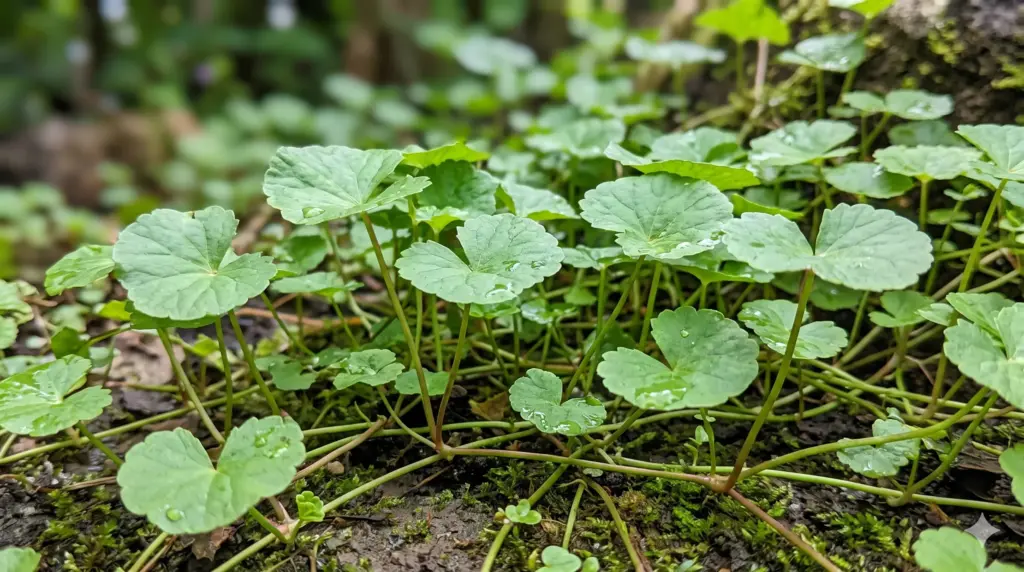
Table of Contents
Quick Summary
Centella asiatica (L.) Urban, universally recognized as Gotu Kola, Asian Pennywort, or Mandukaparni, is a perennial herbaceous plant in the Apiaceae family, native to the wetlands of Southeast Asia. Celebrated for over 3,000 years in Ayurvedic, Chinese, and Unani medicine, it is classified as a premier Medhya Rasayana (intellect rejuvenator). Modern scientific evidence validates its status as a multi-functional therapeutic agent possessing potent neuroprotective, wound-healing, anti-inflammatory, and venotonic activities. These properties are driven by a unique reservoir of bioactives, including the pentacyclic triterpenes asiaticoside, madecassoside, and their aglycones, as well as caffeoylquinic acids. Clinically, it is utilized to enhance cognitive function, stabilize atherosclerotic plaques, and manage chronic venous insufficiency. Commonly consumed as standardized extracts (TECA), leaf powder, or topical gels, it maintains a strong safety profile. However, a critical safety note indicates that it has been linked to rare instances of clinically apparent acute liver injury
Key Therapeutic Benefits
- Enhancement of Cognitive Function and Delayed Recall Centella asiatica significantly improves memory retention and executive function by protecting against age-associated cognitive decline. It works by modulating cholinergic transmission and reducing oxidative stress in the hippocampus and cerebral cortex. Clinical studies in the healthy elderly show that high doses enhance working memory and increase the amplitude of event-related potentials (Arora, 2018; Wattanathorn, 2008; Gray, 2018)
- Management of Chronic Venous Insufficiency (CVI) Standardized extracts of Centella asiatica effectively improve the microcirculation in patients with venous hypertension and microangiopathy. It reduces capillary filtration, ankle edema, and subjective symptoms such as leg heaviness and pain. This venotonic action is dose-dependent and involves the stabilization of the connective tissue in the vascular wall. (Allegra, 1981; Pointel, 1987; Cesarone, 1992)
- Acceleration of Burn Wound Healing and Epithelialization Topical application of asiaticoside-rich gels significantly enhances the rate of wound contraction and reduces the period of epithelialization in second-degree burns. It stimulates collagen type I synthesis and promotes angiogenesis, leading to faster tissue regeneration and improved tensile strength of the newly formed skin. (Akter, 2025; Liu, 2008; Wu, 2012)
- Molecular Inhibition of BACE1 in Alzheimer’s Disease Bioactive caffeoylquinic acids and triterpenes in Brahmi act as natural inhibitors of the BACE1 enzyme, preventing the formation of toxic amyloid-beta plaques. It clears neurofibrillary tangles and protects neurons from Abeta-induced mitochondrial dysfunction and oxidative toxicity. Preclinical models demonstrate a significant decrease in hippocampal Abeta levels following long-term treatment. (Ahmad, 2025; Sanyal, 2022; Dhanasekaran, 2009)
- Anxiolytic Relief via Acoustic Startle Response Modulation Centella asiatica possesses significant anxiolytic activity in humans, as evidenced by its ability to attenuate the acoustic startle response (ASR). It likely interacts with cholecystokinin (CCK) receptors or modulates GABAergic signaling to reduce fear and anxiety. Chronic administration also alleviates stress-induced elevations in serum corticosterone. (Bradwejn, 2000; Wanasuntronwong, 2012; Jana, 2010)
- Protection Against Diabetic Microangiopathy and Neuropathy Oral treatment with TTFCA significantly improves microcirculatory parameters and decreases capillary permeability in patients with diabetic microangiopathy. It reduces the intensity and frequency of paresthesia, numbness, and burning sensations associated with diabetic neuropathy. It also helps preserve retinal sensitivity in patients with diabetic macular edema. (Cesarone, 2001; Incandela, 2001; Forte, 2011)
- Reinforcement of the Skin Barrier and Hydration Topical formulations containing Centella extract significantly improve stratum corneum hydration and decrease transepidermal water loss (TEWL). It enhances the expression of barrier-protective factors such as aquaporin-3 (AQP3), loricrin, and involucrin. A single application can improve skin hydration for up to 24 hours. (Anggraeni, 2021; Ratz-Lyko, 2016; Milani, 2017)
- Anti-Wrinkle Efficacy via Collagen and Fibronectin Synthesis Centella asiatica extracts stimulate the synthesis of collagen and intracellular fibronectin in human dermal fibroblasts. It inhibits the enzymes collagenase and elastase, which are responsible for the degradation of the skin’s structural matrix. Clinical trials confirm a reduction in the depth of facial wrinkles and an improvement in skin texture. (Cho, 2009; Tanaka, 2015; Hashim, 2014)
- Stabilization of Atherosclerotic Carotid and Femoral Plaques Supplementation with TECA increases the echogenicity and stability of hypoechoic, low-density atherosclerotic plaques. This modulation of collagen production within the plaque makes it denser and less prone to rupture, thrombosis, or embolization. It significantly reduces the progression of subclinical arterial lesions and the incidence of cardiovascular events. (Belcaro, 2014; Luzzi, 2016; Cesarone, 2001)
- Antagonism of Liver Fibrosis and Cirrhosis Total glucosides of Centella asiatica exhibit potent anti-fibrotic effects by inhibiting hepatic stellate cell activation and reducing collagen deposition. It normalizes serum transaminases and improves liver architecture in models of chronic hepatic disorders. Network pharmacology suggests it targets the MAPK and TLR4/MyD88 signaling pathways. (Darnis, 1979; Ming, 2004; Fan, 2021)
- Clinical Amelioration of Atopic Dermatitis Symptoms Centella asiatica phytosomes attenuate the development of atopic dermatitis by inhibiting the infiltration of mast cells and inflammatory cells. It suppresses the expression of pro-inflammatory cytokines like IL-6 and TNF-alpha and reduces blood IgE levels. It is particularly effective in conditions of cold and dry weather. (Ju Ho, 2018; Lee, 2020; Park, 2017)
- Hypoglycemic Activity via Alpha-Amylase Inhibition Centella asiatica extracts and its bioactive rutin significantly lower blood glucose levels by inhibiting the alpha-amylase and alpha-glycosidase enzymes. It improves insulin sensitivity and increases glucose utilization in skeletal muscle and adipose tissue. Chronic administration helps normalize the polydipsic and polyphagic conditions in diabetic models. (Kabir, 2014; Supkamonseni, 2014; Borges, 2024)
- Neuroprotective Modulation of Alpha-Synuclein in Parkinson’s Aqueous extracts completely inhibit the aggregation of alpha-synuclein from monomers and favor the disintegration of pre-formed fibrils. It prevents the selective death of dopaminergic neurons and attenuates motor abnormalities in models of Parkinson’s disease. Supplementation restores total antioxidant levels in the corpus striatum and hippocampus. (Berrocal, 2014; Nataraj, 2017; Haleagrahara, 2010)
- Gastroprotective Defense against Ethanol and NSAID Ulcers Centella extracts provide robust protection against gastric mucosal lesions by strengthening the mucosal barrier and reducing lipid peroxidation. It increases the secretion of gastric mucin and mucosal cell glycoproteins while inhibiting iNOS expression. Its anti-ulcer efficacy is comparable to standard pharmaceutical agents like famotidine. (Cheng, 2000; Zheng, 2016; Sairam, 2001)
- Acceleration of Peripheral Nerve Regeneration Oral administration of Centella ethanolic extract elicits a marked increase in neurite outgrowth and axonal regeneration following nerve damage. It promotes the neurodifferentiation of mesenchymal stem cells and improves nerve conduction velocity after sciatic nerve injury. This effect is mediated via the ERK1/2 and Akt signaling pathways. (Hussin, 2020; Soumyanath, 2005; Lokanathan, 2016)
- Anti-arthritic Suppression of RANKL-induced Osteoclastogenesis Asiaticoside suppresses the formation and function of osteoclasts, the cells responsible for bone resorption, in a dose-dependent manner. It attenuates the severity of collagen-induced arthritis by reducing synovial inflammation and cartilage erosion. This action involves the inhibition of NF-kappaB and NFATc1 signaling pathways. (He, 2019; Sharma, 2014; Abass, 2022)
- Cerebral Vasodilation and Increase in Brain Blood Flow Chronic administration of the extract induces vasodilation and increases cerebral blood flow by approximately 25% via the nitric oxide (NO) pathway. It protects against cerebral ischemia-reperfusion injury by reducing infarct volume and improving neurological outcomes. It also ameliorates deficits associated with mild chronic cerebral hypoperfusion. (Kamkaew, 2013; Thong-Asa, 2018; Anukunwithaya, 2017)
- Antitumor Cytotoxicity in Breast and Liver Cancers Centella asiatica extracts and juice induce apoptosis in human breast cancer (MCF-7) and hepatocellular carcinoma (HepG2) cell lines. It inhibits DNA synthesis and reduces the expression of the c-myc oncogene in malignant cells. Green-synthesized silver nanoparticles using the extract also exhibit potent anti-proliferative activity. (Babu, 1995; Naidoo, 2017; Babykutty, 2008)
- Radioprotective Shielding of DNA and Membranes Oral administration provides significant defense against gamma-radiation by scavenging radiation-induced free radicals and reducing lipid peroxidation. It prevents radiation-induced chromosomal damage and hepatocyte abnormalities. This “radio-mitigating” effect is also observed in models of radiation-induced enteritis. (Chen, 1999; Sharma, 2002; Joy, 2009)
- Remission of Clinical Symptoms in Ulcerative Colitis Centella asiatica juice and extracts significantly improve the clinical and histological remission of Ulcerative Colitis. It restores the intestinal mucosal barrier by up-regulating tight junction proteins and reshaping the gut microbiota. It also suppresses pro-inflammatory cytokines such as TNF-alpha and IL-1beta in the colon. (Li, 2021; Shin, 2025; Guo, 2025)
- Anticandidal Efficacy in Recurrent Vulvovaginal Candidiasis A non-hormonal vaginal gel containing Centella is effective in improving symptoms and preventing the relapse of recurrent vulvovaginal candidiasis. It exhibits direct antifungal activity against Candida albicans and inhibits germ tube formation. It also shows potential as a monotherapy for bacterial vaginosis. (Amoros, 2023; Jodar, 2023; Bibi, 2011)
- Nephroprotective Defense against Isoniazid and Cisplatin Brahmi extracts mitigate the kidney damage induced by isoniazid and cisplatin by restoring renal function markers like BUN and creatinine. it prevents mesangial expansion and vascular remodeling in the kidneys of diabetic models. It also protects against arsenic-induced oxidative stress in renal tissues. (Arfian, 2019; Setyaningsih, 2021; Ghosh, 2017)
- Mitigation of Imiquimod-Induced Psoriasis Centella asiatica ethyl acetate extracts significantly alleviate psoriasis-like skin inflammation by inhibiting the JAK/STAT3 signaling pathway. It reduces skin scale, blood scabs, and the secretion of inflammatory factors in both serum and skin lesions. It also improves skin barrier dysfunction associated with the disease. (Lin, 2023; Liu, 2025; Park, 2021)
- Improvement of Sleep Quality and REM Duration Water extracts increase the total REM sleep time in aged male mice and decrease the number of arousals during sleep in aged females. It functions by inhibiting orexin and modulating the p38-MAPK signaling pathway as an arousal trigger. It also improves the circadian rhythms and sleep-wake cycles in models of neurodegeneration. (Afif, 2024; Dovek, 2025; Ling, 2024)
- Bactericidal Eradication of Cariogenic Streptococcus mutans Centella asiatica leaf extracts and synthesized silver nanoparticles exhibit robust antibacterial activity against S. mutans, the primary cause of dental caries. It disrupts established biofilm architectures and modifies the hydrophobicity of the bacterial cell surface. Its efficacy is comparable to standard chlorhexidine but with higher biocompatibility. (Chonsut, 2024; Shahid, 2021; Leejae, 2025)
How It Works (Phytochemistry)
- Asiaticoside → Stimulation of collagen synthesis and inhibition of tyrosinase → Wound Healing & Skin Whitening.
- Madecassoside → Downregulation of NF-kappaB and reduction of oxidative stress → Anti-inflammatory & Burn Recovery.
- Asiatic Acid → Inhibition of BACE1 and suppression of glutamate release → Alzheimer’s Support & Antiepileptic.
- Madecassic Acid → Radical scavenging and reduction of inflammatory cytokines → Antioxidant & Gastroprotective.
- Isochlorogenic Acid A → Protection of neuroblastoma cells from Abeta toxicity → Neuroprotection.
- Acemannan → (Note: Found in source for Aloe, but triterpenoid glycosides are key here) → Bioactivity markers.
- Miqueljanin → Key marker compound in juice associated with anti-colitic effects → Gastrointestinal Health.
Traditional Knowledge
- Ayurveda: Known as Mandukaparni or Brahmi, it is a vital Rasayana and Medhya herb used to sharpen intellect, treat Apasmara (epilepsy), and balance Pitta and Kapha doshas.
- Traditional Chinese Medicine (TCM): Referred to as Ji Xue Cao, it is utilized for its “heat-clearing” and “detoxifying” properties to treat jaundice, heatstroke, and traumatic injuries.
- African Traditional Medicine: Used to elevate mood, improve memory, and manage kidney-related ailments and chronic wounds.
- Folk Medicine: Traditionally consumed as a raw leaf salad in Malaysia (Pegaga) and used as a crushed paste for Traumatic wounds and leprosy.
Usage and Preparations
- Standardized Extract (TECA / ECa 233): Taken in oral doses of 300-600 mg daily for memory, anxiety, and venous insufficiency.
- Topical Gel (1-5%): Applied twice daily to accelerate the healing of burns, surgical scars, and chronic ulcers.
- Leaf Churna (Powder): Supplemented at 3-6 grams daily for managing diabetes and metabolic syndrome.
- Vaginal Gel (Palomacare): Used for managing recurrent candidiasis and bacterial vaginosis.
- Oral Mouthwash / Spray: Utilized for treating mouth ulcers and reducing dental plaque.
- Kumariasava / Medhya Rasayana: Traditional fermented liquid or multi-herbal formulations for epilepsy and cognitive health.
Identity and Authentication
- Botanical Name: Centella asiatica (L.) Urban.
- Family: Apiaceae (formerly Umbelliferae).
- Common Names: Gotu Kola, Asian Pennywort, Mandukaparni, Pegaga, Ji Xue Cao.
- Morphology: A slender, creeping, perennial herb with long-petioled, reniform leaves and small white or pink flowers in umbels.
- Plant Part Used: Whole Herb, primarily leaves and stolons.
- Microscopy: Distinguished by rosette aggregate crystals of calcium oxalate and unicellular trichomes.
- Analytical Markers: Authenticated using HPLC-DAD and LC-MS/MS for asiaticoside, madecassoside, asiatic acid, and madecassic acid
Dosage and Safety
- Dosage: Effective clinical oral doses range from 300 mg to 1200 mg of standardized extract or 3 g to 6 g of raw leaf powder daily.
- Side Effects: Generally safe; rare mild side effects include gastrointestinal discomfort, dizziness, and transient skin rash.
- Toxicity: LD50 of ethanol extract is établi at > 5000 mg/kg; NOAEL of standardized extract (Centell-S) is 800 mg/kg/day.
- Drug Interactions: May interact with CYP2C9, CYP1A2, and CYP3A4 substrates; use with caution alongside Warfarin, phenytoin, or diabetes medications.
- Classification: Caution (Rarely associated with liver injury; avoid medicinal doses during pregnancy due to potential antifertility effects).
FAQs
- Does Centella asiatica really improve memory? Yes, clinical and animal studies show it enhances working memory and delayed recall by modulating cholinergic activity and increasing hippocampal synaptic density.
- Is Gotu Kola safe for my skin? Yes, it is widely used in cosmetics to stimulate collagen synthesis, improve hydration, and treat acne and scars with no irritation at standard concentrations.
- Why is there a warning about liver injury? Although generally recognized as safe, rare cases of granulomatous hepatitis and jaundice have been linked to its ingestion, often resolving after discontinuation.
- How long does it take to see results for wound healing? Clinical studies indicate significant improvements in wound contraction and pain relief within 7 to 21 days of daily application or ingestion.
- Can I take Centella asiatica while pregnant? Caution is advised. While food amounts are safe, medicinal doses should be avoided due to potential antifertility and anti-implantation effects seen in animal models.
- Does Gotu Kola help with anxiety? Yes, it is a documented anxiolytic that attenuates the acoustic startle response and modulates the HPA axis to reduce stress reactivity.
- Is Centella asiatica better than statins for cholesterol? It significantly improves lipid profiles in subjects with low cardiovascular risk, but it is typically used as a complementary therapy rather than a statin replacement.
- Can it interact with my medications? Yes, it can inhibit CYP450 enzymes, potentially increasing the levels of drugs like Warfarin or Metformin; medical supervision is recommended.
- What is the “Queen of Herbs”? (Note: Shatavari is the Queen, but Gotu Kola is often confused with it or called the “herb of longevity”). It is a premier brain tonic in Eastern medicine.
- How does it work for stretch marks? It improves skin elasticity and thickness by increasing collagen content and local microcirculation, making stretch marks less visible.
References
- Allegra, C., et al. (1981). Clin Ter 99(5): 507-513.
- Pointel, J. P., et al. (1987). Angiology 38(1 Pt 1): 46-50.
- Cesarone, M. R., et al. (1992). Minerva Cardioangiol 40(4): 137-143.
- Bradwejn, J., et al. (2000). J Clin Psychopharmacol 20(6): 680-684.
- Cesarone, M. R., et al. (2001). Angiology 52 Suppl 2: S15-18.
- Incandela, L., et al. (2001). Angiology 52 Suppl 2: S9-13.
- Wattanathorn, J., et al. (2008). J Ethnopharmacol 116(2): 325-332.
- Belcaro, G., et al. (2014). Int Angiol 33(1): 20-26.
- Gray, N. E., et al. (2018). Brain Behav 8(7): e01024. DOI: 10.1002/brb3.1024
- Arora, R., et al. (2018). Biomed Pharmacother 105: 1344-1352. DOI: 10.1016/j.biopha.2018.06.023
- Akter, R., et al. (2025). Cell Tissue Bank 26(1): 8. DOI: 10.1007/s10561-024-10148-z
- Dovek, L., et al. (2025). Sleep Adv 6(4): zpaf060. DOI: 10.1093/sleepadvances/zpaf060
Jump to: Benefits | Phytochemistry | Dosage | FAQs