
Fennel (Foeniculum vulgare): 20+ Science Backed Health Benefits & More
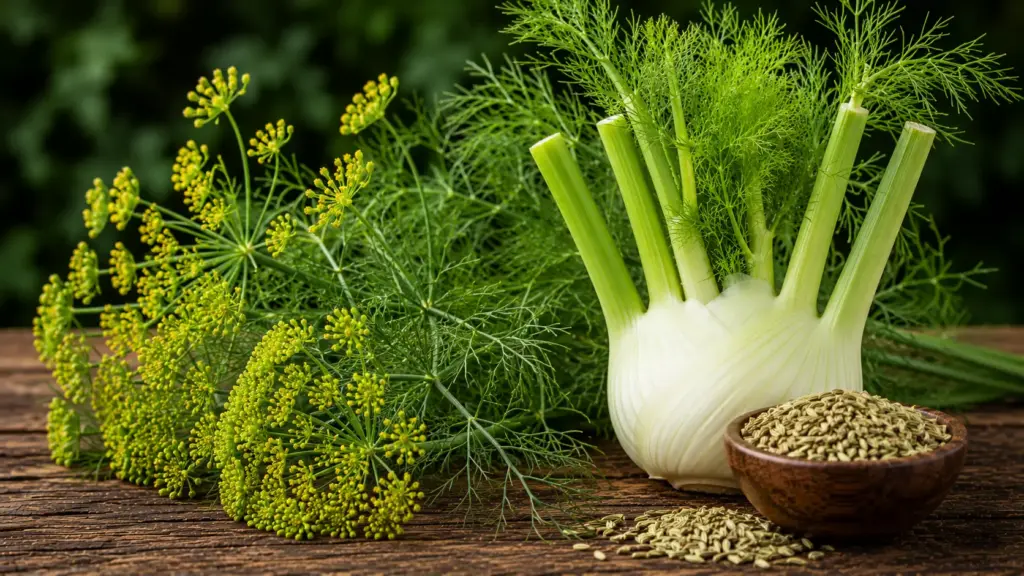
Table of Contents
Quick Summary
Foeniculum vulgare Mill., commonly known as Fennel, is a perennial aromatic herb belonging to the Apiaceae family, native to the Mediterranean region but now cultivated worldwide. It is distinguished by its feathery leaves and yellow umbels, producing fruits rich in the bioactive phenylpropanoid trans-anethole. Modern scientific evidence validates its status as a multi-functional therapeutic agent possessing potent anti-inflammatory, neuroprotective, antidiabetic, and estrogenic activities. Traditionally revered in Ayurvedic, Unani, and Chinese medicine as a carminative and galactagogue, it is clinically utilized to manage infantile colic, menopausal symptoms, and metabolic disorders. Common medicinal forms include essential oils, standardized capsules, and aqueous infusions. While generally safe, its high phytoestrogen content necessitates caution during pregnancy, and users should be aware of potential interactions with medications like ciprofloxacin.
Key Therapeutic Benefits
- Potent Anxiolytic Activity and Behavioral Modulation Foeniculum vulgare demonstrates significant potential in reducing anxiety-like behaviors by modulating central neurotransmission. Dietary incorporation of crushed seeds improves exploratory activity and transitions in light-dark models, indicating a calming effect on the nervous system. This nootropic potential supports its use as a natural agent for stress management. (Abbas, 2019; Passara, 2026; Badgujar, 2014)
- Hepatoprotective Shielding Against Chemical Insult The essential oil and extracts of fennel provide robust defense for the liver by neutralizing reactive oxygen species induced by toxins like carbon tetrachloride. It normalizes serum levels of AST, ALT, and ALP while preventing lipid peroxidation in hepatocytes. This “liver-shielding” effect is mediated by the activation of endogenous antioxidant enzymes. (Barakat, 2022; Ozbek, 2003; Ghanem, 2012)
- Nephroprotective Defense Against Oxidative Stress Fennel seed sprouts and extracts attenuate renal damage by reducing elevated BUN and creatinine levels in models of chemical toxicity. It restores the architecture of the Bowman’s capsule and limits histopathological alterations in kidney tissues. The mechanism involves the upregulation of GSH and SOD, preserving renal functional integrity. (Abdel-Wahab, 2017; Sadrefozalayi, 2014; Barakat, 2023)
- Systemic Hypotensive and Vasorelaxant Effects Aqueous extracts of fennel leaves and seeds induce a dose-dependent reduction in arterial blood pressure without affecting heart rate. It works through a nitric oxide (NO)/cGMP dependent pathway and the modulation of potassium channels in the vascular smooth muscle. This vasorelaxant activity suggests a protective role in cardiovascular health. (El Bardai, 2001; Zahi, 2025; Abdul-Ghani, 1988)
- Clinical Management of Idiopathic Hirsutism Topical application of fennel gel (3%) significantly reduces hair thickness and growth rates in women with mild to moderate hirsutism. It likely interacts with peripheral androgen metabolism or exhibits local anti-androgenic activity. This provides a non-invasive, plant-based dermatological intervention for unwanted facial hair growth. (Akha, 2014; Rafieian, 2024; Javidnia, 2003)
- Clinical Alleviation of Infantile Colic Symptoms Fennel seed oil emulsions are highly effective in decreasing the cumulative crying time and intensity of colic in infants. It works by reducing intestinal spasms and increasing gastrointestinal motility, which facilitates the expulsion of gas. This natural approach is superior to placebo and avoids the side effects of traditional pharmacological agents. (Alexandrovich, 2003; Savino, 2005; Badgujar, 2014)
- Symptomatic Relief in Polycystic Ovary Syndrome (PCOS) Standardized fennel extracts improve hormonal balance in PCOS models by significantly decreasing testosterone and LH levels. It promotes folliculogenesis and reduces the number of ovarian cysts while increasing menstrual regularity. These effects are attributed to its phytoestrogenic constituents like diosgenin and anethole. (Aliakbari, 2022; Sadrefozalayi, 2014; Ghavi, 2023)
- Reproductive Shielding and Follicular Reserve Preservation Exposure to fennel extract during gestation and lactation improves the ovarian follicular reserve in female offspring. It enhances the expression of anti-apoptotic genes and modulates estrogen receptor (ESR) signaling pathways. This epigenetic programming helps protect female fertility from environmental endocrine disruptors. (Annusuya, 1988; Pourjafari, 2023; Devi, 1985)
- Laxative Efficacy in Functional Constipation Herbal formulas containing fennel significantly improve stool consistency and evacuation frequency in the elderly. It stimulates colonic peristalsis by preserving the expression of muscarinic acetylcholine receptors (M2 and M3). This prokinetic action improves the overall quality of life for patients with chronic bowel disorders. (Azimi, 2022; Picon, 2010; Jang, 2018)
- Regulation of Appetite and Metabolic Weight Loss Fennel tea and seed supplements effectively suppress subjective hunger and increase feelings of fullness in overweight subjects. It improves lipid metabolism by lowering LDL-cholesterol and triglycerides while enhancing energy expenditure. These synergistic effects support its use as a dietary adjunct for obesity management. (Bae, 2015; Saidani, 2026; Hong, 2022)
- Acceleration of Functional Nerve Recovery Nano-formulations of fennel extract significantly speed up the retrieval of sensory and motor functions following peripheral nerve injury. It promotes neurite outgrowth and synaptic development in hippocampal neurons by activating the PI3K-AKT pathway. This neurotrophic activity facilitates faster regeneration of axons and muscle grip strength. (Bajaber, 2024; Yoon, 2022; Maqbool, 2021)
- Anti-inflammatory Suppression of NF-kappaB Signaling Fennel coumarins and flavonoids exert potent anti-inflammatory effects by inhibiting the production of IL-6 and TNF-alpha. It works by blocking the IkappaB kinase (IKK) pathway, preventing the nuclear translocation of NF-kappaB. This mechanism effectively reduces edema and tissue infiltration by inflammatory cells in acute models. (Cherbal, 2023; Yang, 2015; Lee, 2015)
- Nootropic Enhancement of Memory and Learning Methanolic fennel extracts serve as effective nootropic agents by increasing step-down latency and improving memory retention. It acts as an acetylcholinesterase (AChE) inhibitor, maintaining high levels of acetylcholine in the brain. This strengthens the cholinergic basis of memory, offering potential for treating Alzheimer’s disease. (Joshi, 2006; Sharma, 2024; Brinza, 2025)
- Gastroprotective Mitigation of Gastric Mucosal Injury Aqueous extracts of fennel provide significant protection against ethanol-induced ulcers by reducing malondialdehyde (MDA) levels. It strengthens the mucosal barrier by increasing the secretion of GSH and nitric oxide, which are cytoprotective. This action prevents the hemorrhagic lesions and oxidative damage associated with gastric distress. (Birdane, 2007; Tognolini, 2007; Silveira, 2019)
- Broad-Spectrum Antifungal and Anti-Candida Activity Fennel essential oil inhibits the growth of Candida albicans and Aspergillus strains by damaging plasma membranes. It suppresses the filamentation and germ tube formation of yeasts, which are critical for their virulence. Its efficacy is often superior to standard agents like fluconazole in managing persistent fungal infections. (Cabral, 2017; Zeng, 2015; Das, 2025)
- Hypoglycemic Regulation and Pancreatic Protection Methanolic extracts of fennel induce a significant reduction in blood glucose and serum glucose levels in diabetic models. It improves oral glucose tolerance and normalizes the histology of the Islets of Langerhans in the pancreas. This antidiabetic activity helps prevent polyphagia and polydipsia associated with hyperglycemia. (Bougrine, 2024; Sayah, 2020; El-Ouady, 2020)
- Osteoprotective Inhibition of Osteoclast Differentiation Aqueous fennel seed extracts effectively inhibit osteoclastogenesis, the process responsible for bone resorption. It prevents ovariectomy-induced bone loss by suppressing the increase in bone turnover markers. This makes it a potential natural candidate for managing postmenopausal osteoporosis. (Kim, 2012; Rafieian, 2024; Mahmoudi, 2013)
- Antithrombotic and Antiplatelet Aggregation Activity Essential oil components, specifically trans-anethole, inhibit platelet aggregation induced by collagen and ADP. It destabilizes the retraction of the coagulum and displays a safe antithrombotic effect without prohemorrhagic side effects. This activity is vital for preventing stroke and thrombosis. (Choi, 2004; Tognolini, 2007; Badgujar, 2014)
- Bactericidal Control of Multi-Drug Resistant Pathogens Purified anionic fennel proteins and essential oils exhibit robust activity against Pseudomonas aeruginosa and MRSA. It disrupts bacterial cell walls and inhibits biofilm formation at low concentrations. This provides a promising resource for developing new therapies against antibiotic-resistant infections. (Al Akeel, 2017; Salami, 2016; Mota, 2015)
- Targeted Cytotoxicity and Apoptosis in Cancer Cells Fennel seed extracts induce programmed cell death in breast and liver cancer lines by downregulating Bcl-2 and Survivin. It triggers mitochondrial toxicity and activates caspase-3, leading to DNA fragmentation in malignant cells. This selective cytotoxicity restricts tumor growth while sparing normal somatic cells. (Akhbari, 2019; Syed, 2018; Ghasemian, 2020)
- Oculohypotensive Management of Intraocular Pressure Topical application of aqueous fennel extract significantly reduces intraocular pressure (IOP) in models of glaucoma. Its efficacy is comparable to standard medications like timolol in lowering elevated pressure. This action provides a natural pharmacological basis for managing glaucoma and ocular hypertension. (Agarwal, 2008; Rafieian, 2024; Badgujar, 2014)
- Protective Shielding Against Genotoxicity and Mutagenicity Fennel essential oil inhibits chromosomal aberrations and micronucleus formation induced by chemotherapy drugs like cyclophosphamide. It antagonizes the reduction of GSH and SOD in bone marrow cells, providing a systemic antimutagenic effect. This molecular shield protects the DNA integrity of the germ line. (Badgujar, 2014; Tripathi, 2013; Rafieian, 2024)
- Clinical Amelioration of Motion Sickness Symptoms Fennel flavonoids, particularly isorhamnetin, significantly reduce the motion sickness index in rotational models. It works by reducing the release of 5-HT and acetylcholine in the central nervous system. This prevents the anxious behavior and nervous system dysfunction associated with motion-induced rotational stimulus. (Zhao, 2024; Badgujar, 2014; Rafieian, 2024)
- Bronchodilatory Relief of Tracheal Contraction Ethanol extracts and essential oils of fennel exhibit a significant relaxant effect on precontracted tracheal chains. This bronchodilatory action is likely mediated via potassium channel opening rather than calcium channel blockade. It provides a mechanistic basis for its traditional use in managing asthma and respiratory distress. (Boskabady, 2004; Subehan, 2007; Al Akeel, 2017)
- Enhancement of Endometrial Thickness and Fertility Fennel supplements significantly improve endometrial thickness in infertile women undergoing ovulation-stimulating treatments. It creates a more favorable environment for embryo implantation, potentially increasing successful pregnancy rates. This makes it a valuable adjuvant in clinical fertility regimens. (Kamali, 2025; Pourjafari, 2020; Malini, 1985)
How It Works (Phytochemistry)
- Trans-anethole → Estrogen receptor binding and alpha-glucosidase inhibition → Phytoestrogenic & Antidiabetic
- Fenchone → Smooth muscle relaxation and enzyme induction → Antispasmodic & Digestive Stimulant
- Estragole → Modulation of apoptotic markers (Bax/Bcl-2) → Anticancer & Antimicrobial
- Limonene → Activation of Nrf2 and MAPK inhibition → Hepatoprotective & Photo-protective
- Quercetin-3-glucuronide → Binding to beta-lactamase and thrombin → Antibacterial & Anticoagulant
- Rosmarinic acid → Radical scavenging and cytokine suppression → Antioxidant & Anti-inflammatory
- Dillapiol → NS3 protein binding and RNA interaction → Antiviral (Dengue)
Traditional Knowledge
- Ayurveda: Known as Mishreya or Saunf, it is classified as a Deepana (appetizer) and Pachana (digestive). It is traditionally used to treat Agnimandya (weak digestion), abdominal pain, and to balance Vata and Kapha doshas.
- Traditional Chinese Medicine (TCM): Known as Xiao Hui Xiang, it is utilized for its heat-clearing and “warming the lower Jiao” properties, specifically for treating abdominal pain, hernia, and dispelling cold.
- Unani: Referred to as Badiyan, it is prized as a carminative, diuretic, and a remedy for liver and spleen obstructions, often used to improve buccal hygiene.
- Iranian Folk Medicine: Historically used as an anticonvulsant, estrogenic agent, and for management of PCOS and dysmenorrhea.
Usage and Preparations
- Sachet Infusion (Tea): 10 g doses in warm water twice daily for functional constipation and quality of life.
- Standardized Capsules: 46-100 mg daily for managing menopausal symptoms and PCOS follicles.
- Topical Gel (3%): Applied twice daily for 24 weeks to reduce hair thickness in hirsutism.
- Oil Emulsion: Used in infants (2-12 weeks) to eliminate infantile colic and reduce crying.
- Aqueous Seed Extract: Consumed as a decoction for hypoglycemic and hypotensive benefits.
- Vaginal Cream (5%): Applied daily (5g) for 8 weeks to manage vaginal atrophy in postmenopausal women.
Identity and Authentication
- Botanical Name: Foeniculum vulgare Mill.
- Family: Apiaceae (Umbelliferae).
- Common Names: Fennel, Saunf, Xiao Hui Xiang, Badiyan, Mishreya.
- Morphology: A perennial aromatic herb with grooved stems, feathery intermittent leaves, and yellow compound umbels bearing ripe fruits.
- Plant Part Used: Dried Ripe Fruits (Seeds) (primary), Leaves, Roots, and Stems.
- Microscopy: Distinguished by the presence of reticulate cells, vittae (oil tubes), and unique transverse shapes of the mericarp.
- Analytical Markers: Authenticated using GC-MS and HPLC-DAD for trans-anethole (marker), fenchone, and estragole.
Dosage and Safety
- Dosage: Effective clinical oral doses range from 100 mg of fennel capsules to 10 grams of seed powder in infusion daily.
- Side Effects: Generally safe; rare mild reports of itching or irritation (topical), and mild diarrhea (oral).
- Toxicity: LD50 of methanolic extract is established at > 5000 mg/kg; classified as non-toxic under acute and sub-acute conditions.
- Drug Interactions: Significant interaction with Ciprofloxacin (reduced bioavailability); may interact with medications metabolized by CYP3A4.
- Classification: Safe (standard doses); Caution (Avoid high medicinal doses in pregnancy and by children due to potential premature thelarche). (Kamali, 2025; Zhu, 1999; Soukaina, 2026; Turkyilmaz, 2008)
FAQs
- Does fennel really help with baby colic? Yes, clinical trials confirm that a fennel seed oil emulsion significantly reduces crying time and eliminates colic in 65% of cases.
- Is it safe to take fennel for weight loss? Yes, fennel tea has been shown to suppress subjective appetite and hunger, leading to reduced food intake and improved lipid metabolism.
- Can I use fennel for facial hair growth? Yes, a 3% fennel gel used topically for 24 weeks has been clinically shown to significantly decrease hair thickness in idiopathic hirsutism.
- Does fennel improve milk production? Yes, fennel is a traditional galactagogue; research in goats and humans indicates it enhances milk yield and improves the fatty acid profile of milk.
- Is fennel safe during pregnancy? Caution is advised. Due to its potent phytoestrogenic and emmenagogue effects, medicinal doses should be avoided to prevent potential uterine stimulation.
- Can fennel help with menopausal symptoms? Yes, oral capsules containing 100 mg of fennel significantly reduce hot flushes, night sweats, and overall menopause rating scale scores.
- Does fennel interact with antibiotics? Yes, fennel significantly reduces the absorption of Ciprofloxacin; it is recommended to space the dosing of fennel and the antibiotic.
- How does fennel work for constipation? It stimulates colonic motility and improves stool consistency by preserving muscarinic acetylcholine receptor signaling in the gut.
- Can fennel help with memory? Yes, animal studies show it inhibits acetylcholinesterase, increasing the brain’s acetylcholine levels to strengthen memory and learning.
- Is fennel good for the liver? Yes, it is a potent hepatoprotective herb that restores antioxidant enzymes and prevents lipid peroxidation in the liver.
References
- Alexandrovich, I., et al. (2003). Altern Ther Health Med 9(4): 58-61. PubMed: 12868253
- Agarwal, R., et al. (2008). Indian J Physiol Pharmacol 52(1): 77-83. PubMed: 18831355
- Picon, P. D., et al. (2010). BMC Complement Altern Med 10: 17. DOI: 10.1186/1472-6882-10-17
- Akha, O., et al. (2014). Caspian J Intern Med 5(1): 26-29. PubMed: 24490010
- Badgujar, S. B., et al. (2014). Biomed Res Int 2014: 842674. DOI: 10.1155/2014/842674
- Rahimikian, F., et al. (2017). Menopause 24(9): 1017-1021. DOI: 10.1097/GME.0000000000000881
- Zahi, A., et al. (2025). Fitoterapia 181: 106359. DOI: 10.1016/j.fitote.2024.106359
- Soukaina, B., et al. (2026). J Appl Toxicol 46(3): 877-885. DOI: 10.1002/jat.4241
Jump to: Benefits | Phytochemistry | Dosage | FAQs