Boswellia (Boswellia serrata) Benefits: Evidence-Based Support for Inflammation, Joints & Gut Health
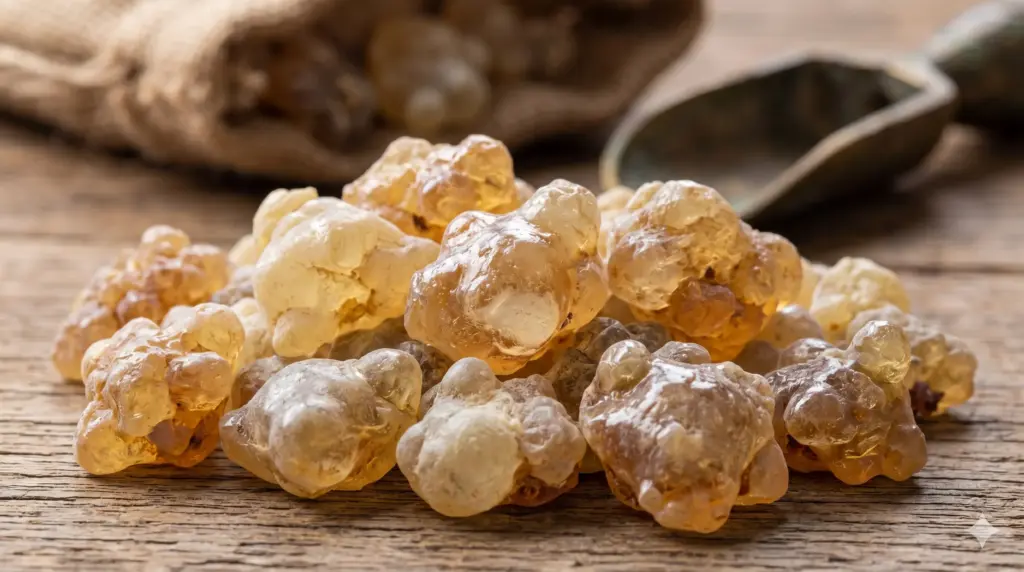
Table of Contents
Quick Summary
Boswellia serrata Roxb. ex Colebr., universally known as Indian Frankincense, Salai Guggul, or Shallaki, is a moderate-to-large branching tree of the Burseraceae family, native to the dry mountainous regions of India, Northern Africa, and the Middle East. Celebrated for millennia in Ayurvedic and Unani medicine, it is a premier anti-inflammatory resin tapped from the tree’s trunk. Modern scientific evidence validates its role as a multi-functional therapeutic agent possessing potent anti-arthritic, gastroprotective, neuroprotective, and hypolipidemic activities. These properties are driven by a unique reservoir of pentacyclic triterpenoids, specifically 3-O-acetyl-11-keto-beta-boswellic acid (AKBA) and 11-keto-beta-boswellic acid (KBA). It is clinically noted for reducing joint pain, managing inflammatory bowel disease (IBD), and protecting against post-radiation cerebral edema. While generally recognized as safe and non-hepatotoxic, a critical safety note indicates it should be used with caution during pregnancy due to its traditional use as an emmenagogue.
Key Therapeutic Benefits
- Clinical Alleviation of Knee Osteoarthritis Symptoms Boswellia serrata extracts (e.g., Aflapin) significantly reduce joint pain, stiffness, and physical disability scores within just five days. It inhibits 5-lipoxygenase (5-LOX) and matrix metalloproteinases, which are responsible for cartilage degradation. Clinical trials demonstrate improved walking distance and joint flexion, providing a safer alternative to conventional NSAIDs for long-term joint health. (Kimmatkar, 2003; Sengupta, 2011; Majeed, 2024)
- Clinical Remission in Chronic and Ulcerative Colitis Standardized resin preparations induce significant clinical and histological remission in patients with Ulcerative Colitis (Grade II and III) and chronic colitis. It works by suppressing leukotriene formation in the colon, thereby reducing chemotaxis and mucosal injury. Patients report improved stool properties and a high rate of remission (up to 82%), often exceeding the efficacy of standard sulfasalazine treatments. (Gupta, 1997; Pellegrini, 2016; Hartmann, 2014)
- Molecular Management of Bronchial Asthma Daily administration of Shallaki gum resin significantly reduces physical symptoms of asthma, including dyspnoea, rhonchi, and the frequency of attacks. It acts by inhibiting the biosynthesis of leukotrienes, which are key mediators of airway inflammation and bronchoconstriction. Clinical data show an increase in FEV1 and peak expiratory flow rate (PEFR) in 70% of treated subjects. (Gupta, 1998; Yugandhar, 2018; Ammon, 2010)
- Hepatoprotective Shielding Against Chemical Toxicity Boswellia serrata extracts shield the liver from damage induced by carbon tetrachloride, paracetamol, and thioacetamide. It normalizes serum transaminases (ALT, AST) and prevents the increase in liver weight associated with toxic assault. This action is supported by histopathological evidence showing reduced lymphocytic inflammation and preservation of the hepatic architecture. (Abdulaziz Bardi, 2014; Y, 2006; Pekthong, 2009)
- Normalization of Glycemia and HbA1c in Type 2 Diabetes Daily supplementation significantly reduces fasting blood glucose and glycosylated hemoglobin (HbA1c) levels in diabetic subjects. It facilitates the restoration of pancreatic beta-cell function and reduces oxidative stress in renal and hepatic tissues. This antidiabetic effect is comparable to some standard medications and helps prevent chronic metabolic complications. (Ahangarpour, 2014; Shehata, 2011; Karimi, 2024)
- Neuroprotective Recovery from Traumatic Brain Injury (TBI) Clinical pilot trials show that Boswellia supplementation significantly improves cognitive function following TBI or diffuse axonal injury. It enhances performance in the Rey Auditory Verbal Learning Test (RAVLT) and intelligence substitution tests. The treatment facilitates neurorecovery by reducing neuroinflammation and protecting hippocampal neurons from oxidative demise. (Meshkat, 2022; Moein, 2013; Hosseini-Sharifabad, 2016)
- Targeted Apoptosis in Hepatocellular Carcinoma (HCC) Boswellic acid-rich fractions trigger intrinsic apoptosis in liver cancer cells by activating caspase-3 and increasing Bax expression. When used as a co-therapy with doxorubicin, it exerts a synergistic growth-inhibiting effect and significantly reduces chemotherapy-induced hepatic toxicity. This makes it a potential lead for developing safe anti-neoplastic adjuncts. (Ahmed, 2015; Khan, 2014; Ranjbarnejad, 2017)
- Mitigation of Sepsis-Induced Acute Kidney Injury Boswellia serrata extract minimizes renal lesions and improves pathological alterations associated with sepsis. It reduces elevated serum urea and creatinine levels by downregulating the expression of CD15 and paired box (PAX) proteins. Parallel histopathological examinations reveal amelioration of capillary tuft shrinkage and tubular dilatation in septic models. (Al-Gholam, 2025; Kherouf, 2025; Purena, 2018)
- Clinical Improvement of Serum Lipid Profiles Supplementation with Shallaki gum resin significantly improves the systemic atherogenic index by lowering total cholesterol, LDL, and VLDL levels. It facilitates an increase in beneficial HDL-C (up to 30%) and reduces triglyceride accumulation in the liver. These hypolipidemic properties are essential for managing metabolic syndrome and preventing atherosclerosis. (Ahangarpour, 2014; Pandey, 2005; Ismail, 2019)
- Mast Cell Stabilization and Anti-allergic Activity Boswellic acid extracts exhibit potent mast cell stabilizing activity, significantly inhibiting compound 48/80-induced degranulation. It reduces histamine release and mitigates passive paw anaphylaxis reactions in a dose-dependent manner. This polarization of the immune response toward regulation makes it effective for managing allergic rhinitis and chronic inflammation. (Masieri, 2025; Pungle, 2003; Ammon, 2010)
- Dopaminergic Protection in Parkinson’s Disease Boswellia serrata extract protects nigrostriatal dopaminergic neurons by activating the AMPK signaling pathway. It reduces the phosphorylation of alpha-synuclein and mammalian target of rapamycin (mTOR), thereby limiting toxic protein aggregation. Regular administration improves motor function, reducing contralateral rotations and tremors in neurodegenerative models. (Doaee, 2019; Shadfar, 2022; Ahmed, 2015)
- Management of Chronic Cluster Headache and Sleep Case series evidence indicates that long-term oral Boswellia reduces the intensity and frequency of chronic cluster headaches. It alleviates the severe pain and improves disturbed sleep patterns in affected individuals. This analgesic benefit provides a viable tool for managing severe trigemino-autonomic pain syndromes with minimal side effects. (Lampl, 2012; Omura, 2009; Ammon, 2010)
- Antiprotozoal Efficacy against Leishmania and Malaria Bioactive serratol and 3-hydroxy-11-keto-beta-boswellic acid exhibit potent activity against human pathogens including L. tropica and P. falciparum. It inhibits the heme detoxification pathway in parasites, leading to increased oxidative stress and DNA damage in the pathogen. This natural agent enhances mean survival time in drug-resistant infectious models. (Babaei, 2024; Schmidt, 2011; Gupta, 2021)
- Clinical Reduction of Heavy Menstrual Bleeding (HMB) Randomized trials confirm that frankincense supplementation significantly reduces the duration and amount of menstrual bleeding. It enhances the quality of life (QOL) for women with reproductive age HMB when taken for seven days during the cycle. Its efficacy is comparable to standard nonsteroidal anti-inflammatory interventions but with superior gastrointestinal tolerability. (Eshaghian, 2019; Schettino, 2025; Burratti, 2024)
- Broad-Spectrum Inhibition of Cariogenic Oral Microbiota Hydroalcoholic extracts demonstrate robust antibacterial efficacy against S. mutans and C. albicans, equal to standard pharmaceutical irrigants. It disrupts established biofilm architectures and prevents bacterial adherence to tooth surfaces. Its high biocompatibility makes it an ideal ingredient for oral hygiene products and periodontal management. (Bakhtiari, 2019; Vahabi, 2019; Maraghehpour, 2016)
- Reduction of Post-Radiotherapy Cerebral Edema Standardized extracts (e.g., H15) significantly reduce cerebral edema in patients irradiated for brain tumors. A reduction of edema volume by >75% was found in 60% of patients, potentially acting as a steroid-sparing agent. This anti-edematous effect is driven by the inhibition of VEGF expression and the vascular inflammatory cascade. (Dejonckheere, 2025; Upadhyay, 2025; Kirste, 2011)
- Anti-osteoporotic Promotion of Osteoblast Activity Boswellia serrata ethanol extracts enhance bone health by upregulating ALP activity, collagen synthesis, and osteocalcin content. It stimulates the expression of RUNX2 and Osterix, key transcription factors for bone formation, while inhibiting osteoclast activity. Chronic administration restores bone mineral density in estrogen-deficient models. (Lee, 2024; Naik, 2024; Kim, 2023)
- Prevention of Post-Exercise Muscle Soreness and Damage Ten days of supplementation with standardized extract significantly attenuates muscle soreness and accelerates recovery after high-impact eccentric exercise (e.g., downhill running). It reduces circulating levels of C-reactive protein and IL-6, which are markers of systemic muscle inflammation. This allows athletes to return to baseline muscle strength faster than placebo groups. (Salter, 2025; Yang, 2020; Beghelli, 2023)
- Gastroprotective Mitigation of NSAID-Induced Ulcers Boswellic acids provide robust protection against gastric ulcers induced by indomethacin, aspirin, and ethanol. It works by increasing gastric mucosal resistance and local synthesis of cytoprotective prostaglandins. Unlike synthetic NSAIDs, which cause gastric lesions, Shallaki resin provides a potent anti-inflammatory effect while actively shielding the stomach lining. (Singh, 2008; Sairam, 2003; Dalvi, 1990)
- Remission of Latent Autoimmune Diabetes (LADA) Case studies indicate that oral administration of Boswellia gum resin can decrease the levels of GAD65 and IA2 autoantibodies in patients with LADA. This suggests a potential role in preventing insulitis and delaying the progression of autoimmune-mediated beta-cell destruction. This modulation of the autoimmune response is a novel frontier for diabetes prevention. (Franic, 2020; Schrott, 2014; Gomaa, 2021)
- Acceleration of Diabetic Foot Ulcer Healing Topical and oral application of standardized extracts significantly increases the rate of wound contraction in diabetic foot ulcers. It upregulates TGF-beta1, VEGF, and collagen-1 while inhibiting oxido-nitrosative stress and cellular necrosis. This provides a multi-targeted mechanism to overcome the delayed healing associated with chronic hyperglycemia. (Pengzong, 2019; Ahmed, 2024; Reshmy, 2021)
- Inhibition of HPV-Associated Cervical Cancer Growth The pentacyclic triterpene TPD from the resin causes robust apoptotic cell death in human HeLa and SiHa cervical cancer cells. It induces mitochondrial membrane potential loss and activates the p53/p21/PUMA alliance while abrogating survival signaling via PI3K/Akt. This multimodal targeting effectively restricts tumor progression and induces self-demise of malignant cells. (Bhushan, 2009; Ahmed, 2015; Khan, 2016)
- Clinical Management of Chronic Lower Back Pain (CLBP) Standardized combinations of Boswellia and Curcuma significantly reduce pain, unpleasantness, and functional disability in patients with CLBP. It reduces serum levels of inflammatory biomarkers like IL-6 and TNF-alpha over 90 days. Therapy satisfaction scores are high, with many patients resuming daily activities earlier than those on conventional care. (Majumdar, 2025; Kumar, 2025; Desideri, 2022)
- Management of Spondylitis and Neck Disability Bioavailability-enhanced full-spectrum extracts significantly reduce pain and stiffness associated with spondylitis. It modulates the NLRP3 inflammasome and IL-1beta pathways, leading to progress in the Bath Ankylosing Spondylitis Disease Activity Index (BASDAI). This outcome is consistent with a systemic reduction in musculoskeletal inflammation and improved joint mobility. (Mamatha, 2025; Suva, 2017; Majumdar, 2025)
- Radioprotective Shielding of DNA and Membranes Aqueous polysaccharides protect liver mitochondria from gamma-radiation-induced lipid peroxidation and protein oxidation. It preserves the levels of protein thiols and prevents the inactivation of endogenous antioxidants. This molecular shield provides significant defense against chromosomal damage induced by ionizing photons during radiotherapy. (Kamat, 2000; Singh, 2005; Gautam, 2013)
How It Works (Phytochemistry)
- AKBA (3-O-acetyl-11-keto-beta-boswellic acid) → Potent nonredox inhibition of 5-LOX and NF-kappaB → Anti-arthritic & Anti-cancer.
- KBA (11-keto-beta-boswellic acid) → Inhibition of heme detoxification and BACE1 enzymes → Antimalarial & Alzheimer’s Support.
- beta-Boswellic Acid → Inhibition of microsomal prostaglandin E synthase-1 and cathepsin G → Osteoarthritis Management.
- Serratol (Cembranoid) → Scavenging of DPPH free radicals and disruption of protozoal membranes → Antioxidant & Antiprotozoal.
- 3-oxo-tirucallic Acid → Signature biomarker for authentication and potential lipid modulation → Lipid Control.
- Tricosane → Major lipoidal constituent (up to 75%) involved in resin structure → Phytochemical Marker.
- alpha-Pinene → Primary volatile oil component with sensory and flavoring properties → Aromatic Agent.
Traditional Knowledge
- Ayurveda: Known as Shallaki, it is a vital Vatavyadhi (nervous system) herb used to balance all three doshas but primarily Vata and Kapha. It is traditionally used to treat Sandhigata Vata (osteoarthritis), Amavata (rheumatoid arthritis), and Kshaya (wasting diseases).
- Unani: Referred to as Kundur, it is prized as a blood purifier and a tonic for the heart and brain. It is historically used to treat chronic fevers, chronic wounds, and jaundice.
- Traditional Chinese Medicine (TCM): Used to promote blood circulation, alleviate pain, and reduce swelling, particularly in the context of traumatic injuries and inflammatory masses.
- Religious Significance: Widely used as “Indian Olibanum” or incense in cultural and religious ceremonies to purify the environment and induce tranquility.
Usage and Preparations
- Standardized Extract (Aflapin / 5-Loxin): Administered in 100 mg doses daily for rapid relief of knee osteoarthritis and joint stiffness.
- Oleo-Gum Resin Powder (Churna): Taken at 1 to 6 grams daily for managing Type 2 Diabetes and chronic colitis.
- Topical Ointment/Gel: Applied to affected joints to improve mobility and reduce local inflammation in Sandhivata.
- Siben (Bromelain-Boswellia combo): Used for 11 days post-surgery to improve QOL and reduce pain in hernioplasty patients.
- Breast Gel: Formulated with Betaine and myo-Inositol for the management of cyclic mastodynia in fertile women.
- Chewing Gum: Traditional use to improve buccal hygiene and deliver low doses of boswellic acids systematically.
Identity and Authentication
- Botanical Name: Boswellia serrata Roxb. ex Colebr.
- Family: Burseraceae.
- Common Names: Indian Frankincense, Shallaki, Salai Guggul, Kundur, Indian Olibanum.
- Morphology: A deciduous tree with papery bark, pinnate leaves, and small white flowers; the gum-resin is tapped from incisions made in the trunk.
- Plant Part Used: Oleo-Gum Resin (primary) and Bark.
- Analytical Markers: Authenticated using HPLC-UV-DAD, HPTLC, and CE-MS/MS for six major boswellic acids, serratol, and tirucallic acids.
- Microscopy: Distinguished by the presence of calcium oxalate crystals and unique resin canals in the phloem.
Dosage and Safety
- Dosage: Effective clinical oral doses range from 300 mg to 1200 mg of standardized extract or 3 g to 6 g of raw resin daily. (Majeed, 2024; Gupta, 1997)
- Side Effects: Generally well-tolerated; rare mild adverse events include minor gastrointestinal discomfort, nausea, and skin rash. (Kimmatkar, 2003; Italiano, 2020)
- Toxicity: LD50 in rodents is > 5000 mg/kg; the NOAEL is established at 500-1000 mg/kg/day in 90-day subchronic studies. (Alluri, 2019; Singh, 2012)
- Drug Interactions: May inhibit CYP3A4 and CYP2C9, potentially interacting with Warfarin, Theophylline, and some NSAIDs. (Abdel-Tawab, 2011; Kosolapov, 2025)
- Classification: Safe (standard doses); Caution (Avoid strictly during pregnancy due to potential emmenagogue effects). (Ammon, 2010; Siddiqui, 2011)
FAQs
- Does Boswellia really help with joint pain? Yes, clinical trials confirm it reduces pain and stiffness within 5 days, making it highly effective for knee osteoarthritis and lower back pain.
- Is it safe to take Boswellia with my blood sugar medication? Yes, it has antidiabetic properties that can complement drugs like Metformin, but you should monitor for hypoglycemia.
- Why should I avoid Boswellia during pregnancy? Traditional and scientific data indicate potential emmenagogue activity which could interfere with pregnancy; consult a physician.
- How long does it take for Boswellia to work for asthma? Clinical studies show significant improvement in symptoms and lung function markers after 6 weeks of consistent daily use.
- Is Boswellia better than synthetic NSAIDs? While providing similar anti-inflammatory benefits, Boswellia is superior in its safety profile, especially as it protects the stomach rather than causing ulcers.
- Can Boswellia help with Crohn’s or Colitis? Yes, research shows it is not inferior to mesalazine in maintaining remission and reducing diarrheal symptoms in IBD patients.
- What is the best form of Boswellia to take? Standardized extracts containing at least 20-30% AKBA are preferred as they ensure consistent delivery of the most potent anti-inflammatory compounds.
- Does Boswellia help with brain health? Yes, it is shown to improve memory and cognitive recovery after traumatic brain injuries and protects against Alzheimer’s-related plaque formation.
- Can I use Boswellia for skin issues? Yes, topical gels can help with cyclic breast pain and accelerate the healing of diabetic foot ulcers by promoting collagen synthesis.
- Does Boswellia cause liver damage? No, clinical and research data have not linked Boswellia to liver injury; it is actually hepatoprotective against various chemical toxins.
References
- Singh, G. B. and C. K. Atal (1986). Agents Actions 18(3-4): 407-412.
- Gupta, I., et al. (1997). Eur J Med Res 2(1): 37-43.
- Kimmatkar, N., et al. (2003). Phytomedicine 10(1): 3-7.
- Ammon, H. P. (2010). Phytomedicine 17(11): 862-867. DOI: 10.1016/j.phymed.2010.03.003
- Abdel-Tawab, M., et al. (2011). Clin Pharmacokinet 50(6): 349-369. PubMed: 21542654
- Sengupta, K., et al. (2011). Mol Cell Biochem 354(1-2): 189-197. DOI: 10.1007/s11010-011-0818-1
- Majeed, A., et al. (2024). Front Pharmacol 15: 1428440. DOI: 10.3389/fphar.2024.1428440
- Upadhyay, R., et al. (2025). Int J Radiat Oncol Biol Phys 122(5): 1282-1291. DOI: 10.1016/j.ijrobp.2024.12.025
Jump to: Benefits | Phytochemistry | Dosage | FAQs