
Berberis aristata (Daruharidra): 15+ Clinically Proven Benefits for Diabetes, Lipids & Immunity
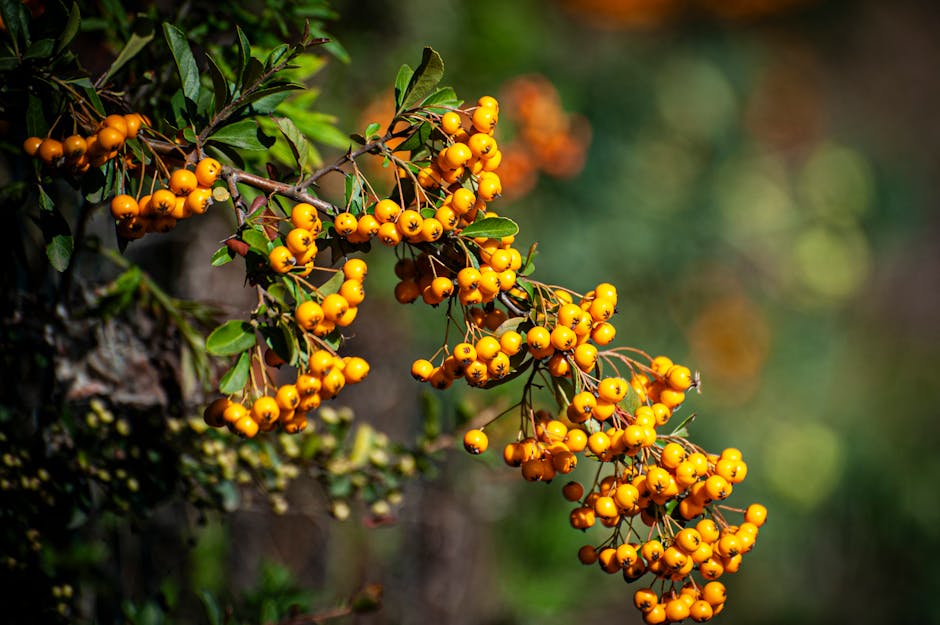
Table of Contents
Quick Summary
Berberis aristata (DC.), commonly known as Daruharidra or Indian Barberry, is a highly valued member of the Berberidaceae family demonstrating extensive therapeutic potential supported by clinical trials and preclinical investigations. Research documents antidiabetic efficacy, lipid-lowering activity, antimicrobial properties, anti-inflammatory effects, and anticancer potential. Key bioactive compounds include isoquinoline alkaloids (berberine, jatrorrhizine, palmatine, berbamine) mediating diverse therapeutic mechanisms. Traditional Ayurvedic medicine has employed Berberis aristata for diabetes, eye diseases, jaundice, rheumatism, and skin disorders for over 2500 years. Common preparations include standardized extracts with silymarin (Berberol®), root bark extracts, stem bark formulations, and fixed combinations with monacolins. While Berberis aristata demonstrates favorable safety profiles with LD50 >5000 mg/kg, quality standardization based on berberine content remains essential for therapeutic consistency.
Key Therapeutic Benefits
i. Antidiabetic and Insulin-Sensitizing Effects
Berberis aristata demonstrates significant glucose-lowering and insulin-sensitizing effects in clinical trials. Combined extract with Silybum marianum reduced fasting plasma glucose (-12.2%), increased fasting insulin (9.9%), and decreased HOMA index (-2.8%) in dyslipidemic patients (Derosa, 2017) (clinical study). Type 1 diabetes patients showed reduced total insulin consumption with extract (588/105 mg) compared to placebo, decreased FPG and PPG, and improved glycemic control (Derosa, 2016) (clinical study). Root extract (250 mg/kg) lowered blood glucose without hypoglycemic effects, increased glucokinase and glucose-6-phosphate dehydrogenase activities, and decreased glucose-6-phosphatase activity in diabetic rats (Singh, 2009) (animal study).
ii. Lipid-Lowering and Cardiovascular Protection
Berberis aristata demonstrates potent cholesterol-lowering effects superior to statins in some parameters. Fixed combination reduced total cholesterol (-20.5%), triglycerides (-17.7%), and LDL-cholesterol (-27.8%) while improving HDL-cholesterol compared to placebo (Derosa, 2017) (clinical study). Meta-analysis showed LDL reduction of 2.92-fold in B. aristata-treated groups, HDL increase of 0.71-fold, triglycerides decrease of 1.16-fold, and glucose reduction of 0.54-fold versus controls (Roshanravan, 2023) (meta-analysis). Extract maintained lipid profile in statin-intolerant patients without safety parameter variations (Derosa, 2015) (clinical study). N-butanolic fraction produced dose-dependent positive inotropic action through novel mechanism of modulating calcium-dependent actin-myosin cooperativity (Gilani, 1999) (animal study).
iii. Antimicrobial and Antibacterial Activity
Berberis aristata exhibits broad-spectrum antibacterial activity. Methanolic extract showed MIC and MBC values of 125-500 µg/mL and 300-600 µg/mL respectively against Shigella strains with bacteriostatic effects (Joshi, 2011) (in vitro). ZnO nanoparticles synthesized using leaf extract displayed antibacterial activities against E. coli, S. aureus, K. pneumoniae, B. subtilis, and S. marcescens (Chandra, 2019) (in vitro). Aquo-alcoholic extract (0.5 mg/kg single dose) effectively managed peritonitis induced by carbapenem-resistant E. coli with NOAEL up to 2000 mg/kg (Thakur, 2017) (animal study).
iv. Anti-Inflammatory and Anti-Arthritic Effects
Berberis aristata demonstrates potent anti-inflammatory activity through multiple mechanisms. Hydroalcoholic extract (50-200 mg/kg) dose-dependently reduced carrageenan-induced paw edema and cotton pellet-induced granuloma, reduced serum inflammatory cytokines, decreased IL-1β, IL-6, TNF-R1, and COX-2 expression while upregulating IL-10 (Kumar, 2016) (animal study). Extract ameliorated adjuvant-induced arthritis by inhibiting NF-κB and activating Nrf-2/HO-1 signaling pathway, decreased inflammatory markers (IL-1β, IL-6, TNF-R1, VEGF), reduced MMP-3 and MMP-9, and improved redox status (Kumar, 2016) (animal study). Topical application reduced inflammatory cell count from 30.75±7.33×10⁵ to 2.39±0.59×10⁵ cells/mL and TNF-α from 976.29±66.38 to 311.96±28.50 pg/mL in endotoxin-induced uveitis (Gupta, 2008) (animal study).
v. Anticancer and Chemopreventive Activity
Berberis aristata exhibits antiproliferative effects against multiple cancer types. Cadmium sulfide nanoparticles induced early apoptotic cells (14.5% ovarian, 13.6% breast cancer), caused G2/M phase arrest in ovarian cells and G0/G1 arrest in breast cancer with IC50 values of 95.74 µg/mL and 796.25 µg/mL respectively (Bhatnagar, 2024) (in vitro). Ethanolic extract showed IC50 values of 57.0 µg/mL (MCF-7) and 42.0 µg/mL (MDA-MB 231) for breast cancer with significant cytotoxic activity (research from HTML) (in vitro). Standardized extract loaded buccal spray showed tumor regression, reduced tumor weight, packed cell volume, viable tumor cell count, downregulated inflammatory mediators, and improved survival in oral cancer model (Tamane, 2023) (animal study).
vi. Hepatoprotective Effects
Berberis aristata protects liver against chemical-induced damage. Aqueous leaf extract prevented paracetamol-induced liver necrosis, significantly reduced elevated AST, ALT, and gamma-GT levels (Gilani, 1992; Bhanwra, 2000) (animal studies). Extract (300 mg/kg) demonstrated hepatorenal protective ability attributed to isoquinoline alkaloids in carbapenem-resistant E. coli peritonitis model (research from HTML) (animal study). Fixed combination normalized liver function markers and improved hepatic steatosis in NAFLD patients (Cossiga, 2019) (clinical study).
vii. Anti-Obesity and Metabolic Syndrome Management
Berberis aristata demonstrates significant anti-obesity effects through multiple mechanisms. Treatment improved bioimpedance parameters, reduced visceral fat, decreased total cholesterol, triglycerides, fasting glucose, insulin resistance (HOMA-R), RBP-4, resistin levels while increasing adiponectin in obese T2DM patients (Guarino, 2017) (clinical study). Extract reduced total cholesterol, triglycerides, insulin resistance, and adipocytokine levels in overweight dyslipidemic patients (Derosa, 2013) (clinical study). Root extract counteracted high-fat diet-induced reproductive toxicity by reducing oxidative stress and resistance to leptin and insulin (Mushtaq, 2022) (animal study).
viii. Antioxidant Activity
Berberis aristata exhibits substantial antioxidant capacity. Extract increased CAT, SOD, GPx, and GR activity significantly while reducing lipid peroxidation (41.6%) and protein carbonylation (30.15%) in diabetic rats (Singh, 2009) (animal study). Methanolic extract showed DPPH scavenging IC50 of 256.26 µg/mL (Abass, 2022) (in vitro). Extract restored antioxidant enzyme activities including GSH, SOD, and CAT in anti-TB drug-induced testicular toxicity (research from HTML) (animal study).
ix. Anti-Osteoporotic Activity
Berberis aristata demonstrates bone-protective effects. Aqueous-methanol extract (100-500 mg/kg) dose-dependently increased uterine weight, femur BMD, ash content, lumbar hardness, serum calcium and phosphorus levels while decreasing urinary losses in ovariectomized rats with histopathological confirmation (Yogesh, 2011) (animal study).
x. Tyrosinase Inhibition and Skin-Lightening
Berberis aristata exhibits anti-hyperpigmentation potential. Standardized extract showed dose-dependent monophenolase and moderate diphenolase activity with mixed-type inhibition of tyrosinase monophenolase activity, confirming skin-lightening and exfoliating properties (Biswas, 2016) (in vitro).
xi. Antidiarrheal Activity
Berberis aristata demonstrates anti-diarrheal efficacy. Ethanol and aqueous extracts delayed onset of castor oil-induced diarrhea, reduced diarrheal episodes dose-dependently, and significantly reduced intestinal feed travel length with LD50 >5000 mg/kg (Joshi, 2011) (animal study).
xii. Antiplasmodial and Anti-Malarial Effects
Berberis aristata exhibits anti-malarial properties. Aqueous root extract showed in vitro antiplasmodial activity with IC50 of 40 µg/mL against P. berghei, demonstrated dose-dependent chemosuppression (67.1% suppressive and 53.9% preventive at 350 mg/kg/d), and enhanced mean survival period to 12.8 days versus 7.5 days untreated (Chandel, 2015) (in vitro, animal study).
xiii. Wound Healing Promotion
Berberis aristata accelerates wound healing through multiple mechanisms. Ethanolic extract ointment (4% w/w) demonstrated considerable wound contraction, reduced epithelization time, increased hydroxyproline content, total amino acids, and DNA in recovering tissue with berberine and tetrahydropalmatine as active metabolites (research from HTML) (animal study).
xiv. Synergistic Antimicrobial Combinations
Berberis aristata enhances antibiotic efficacy. Extract combination with third-line antibiotics showed synergistic behavior (FICI <1) with colistin, tigecycline, and amoxicillin/clavulanate against carbapenem-resistant E. coli (Thakur, 2016) (in vitro). Combined methanolic extract with Andrographis paniculata demonstrated synergistic interactions in microdilution checkerboard method (Abass, 2022) (in vitro).
xv. Anti-Psoriatic Activity
Berberis aristata demonstrates efficacy against psoriasis. Extract-loaded transferosomal gel showed 55.76% inhibition of edema versus 33.5% conventional gel in carrageenan-induced paw edema, marked reduction in epidermal thickness and rete ridge length in IMQ-induced psoriasis model with primary irritation index <0.4 (Nimisha, 2017) (animal study).
How It Works (Phytochemistry)
• Berberis aristata’s therapeutic effects are mediated by diverse isoquinoline alkaloids. Berberine (primary bioactive) demonstrates antidiabetic effects through glucokinase
activation, glucose-6-phosphatase inhibition, insulin receptor expression enhancement, and AMPK pathway activation.
• Lipid-lowering mechanisms involve PCSK9 reduction, LDLR upregulation, and cholesterol metabolism modulation.
• Anti-inflammatory effects occur through NF-κB inhibition, Nrf-2/HO-1 pathway activation, and inflammatory cytokine suppression (IL-1β, IL-6, TNF-α↓, IL-10↑).
• Jatrorrhizine and palmatine contribute to antimicrobial activity through bacterial membrane disruption and efflux pump inhibition.
• Berbamine exhibits anticancer properties via apoptosis induction and cell cycle arrest.
• Diterpenes show broad-spectrum antimicrobial activity
• Alkaloids in this herb work synergistically through multiple pathways including glucose homeostasis regulation, lipid metabolism modulation, oxidative stress reduction, and
immune response enhancement supporting diverse therapeutic applications.
Traditional Knowledge
Ayurveda: Berberis aristata is recognized as “Daruharidra” (wood turmeric) used extensively for diabetes (Prameha), eye diseases, jaundice, rheumatism, skin diseases, and as blood purifier (Rakta Shodhaka) for over 2500 years.
Unani: The plant is utilized in Unani medicine system for liver and pancreatic disorders, skin infections, diabetes, and conjunctival inflammation.
Traditional Indian Medicine: Employed by herbal healers to treat oral cancers, wound healing, piles, and gynaecological disorders based on ancient formulations.
Middle Eastern Medicine: Traditionally used in various parts of India and Middle East for malaria, infections, and metabolic disorders.
Rest of the world: Berberis aristata demonstrates recognition in multiple traditional medicine systems as potent antimicrobial, antidiabetic, and anti-inflammatory agent with documented use in British Pharmacopoeia and growing acceptance in modern phytopharmaceuticals.
Usage and Preparations
• Berberis aristata preparations vary in berberine content and bioactive composition. Standardized Berberis aristata provides consistent therapeutic dosing in clinical trials
for dyslipidemia and diabetes management.
• Methanolic extracts maximize alkaloid content with berberine as primary marker (0.032 mg/g standardized).
• Aqueous-ethanolic extracts (50%) balance multiple bioactive components for antidiabetic applications.
• Root powder for functional food applications demonstrated favorable techno-functional properties.
• Stem bark aquo-alcoholic extract containing 3.0±0.02 μg quercetin/mg showed antimicrobial efficacy. Buccal spray formulation using hydroxypropyl methylcellulose
for oral cancer treatment.
• Transferosomal gel using soya phosphatidylcholine for enhanced skin delivery. Quality varies based on plant part (root bark > stem bark > leaves), extraction method, and
processing conditions requiring HPLC standardization to berberine content (typically 0.85-0.90% in quality extracts).
Identity and Authentication
Botanical name: Berberis aristata (DC.)
Family: Berberidaceae
Common names: Daruharidra, Daruhaldi, Chitra, Indian Barberry
Morphology: Deciduous shrub with characteristic yellow wood, yellow flowers, and spherical/ovoid red or purple berries. Plant parts used include root bark (primary), stem bark, and leaves.
Authentication: DNA analysis using ITS sequence-based markers efficiently distinguishes B. aristata from B. lycium and B. asiatica (Balasubramani, 2011) (in vitro). DART-MS followed by PCA enables rapid differentiation of B. aristata from adulterants/substituents with microscopic methods, analytical techniques such as characteristic alkaloid profiles (Bajpai, 2015) (in vitro).
HPTLC and HPLC methods identify berberrubine, berberine, jatrorrhizine, ketoberberine, palmatine, dihydropalmatine, berbamine, and pakistanamine. LC-MS profiling detects 32-35 metabolites. Berberine content serves as primary chemical marker (standardized at 85% in quality extracts). Chlorogenic acid identified in leaves alongside berberine.
Adulteration: DNA markers and HPTLC fingerprinting enable authentication and adulterant detection (B. asiatica, Mahonia borealis, Coscinium fenestratum).
Dosage and Safety
Clinical and experimental studies employed various dosages. Dyslipidemia and diabetes management: Berberol® (588/105 mg) twice daily for 3-6 months (Derosa, 2013-2018). Type 1 diabetes: 588/105 mg twice daily for 6 months (Derosa, 2016). NAFLD: Fixed combination with monacolin for 3 months (Derosa, 2017). Animal studies: 50-500 mg/kg for various therapeutic effects. Oral cancer: Buccal spray with 0.6 mg/mL berberine. Peritonitis: Single dose 0.5 mg/kg body weight.
Safety Classification: Generally safe with favorable toxicity profile (Well-tolerated, LD50 >5000 mg/kg).
Side effects: Acute toxicity studies showed LD50 >5000 mg/kg in mice and rats (Joshi, 2011; research from HTML). No serious adverse events in clinical trials with dyslipidemic or diabetic patients. Fixed combinations well-tolerated without significant variations in AST, ALT, CPK, or creatinine (Derosa, 2015-2018). Neem seed oil/azadirachtin during pregnancy showed teratogenic effects; similar caution advised for Berberis during pregnancy pending human studies. Special warnings: Quality control essential due to potential adulteration with B. asiatica, M. borealis, and C. fenestratum. Monitor for drug interactions with CYP-metabolized medications. Generally well-tolerated for long-term use based on traditional and clinical evidence.
FAQs
Clinical and experimental studies employed various dosages. Dyslipidemia and diabetes management: Berberol® (588/105 mg) twice daily for 3-6 months (Derosa, 2013-2018). Type 1 diabetes: 588/105 mg twice daily for 6 months (Derosa, 2016). NAFLD: Fixed combination with monacolin for 3 months (Derosa, 2017). Animal studies: 50-500 mg/kg for various therapeutic effects. Oral cancer: Buccal spray with 0.6 mg/mL berberine. Peritonitis: Single dose 0.5 mg/kg body weight.
Safety Classification: Generally safe with favorable toxicity profile (Well-tolerated, LD50 >5000 mg/kg).
Side effects: Acute toxicity studies showed LD50 >5000 mg/kg in mice and rats (Joshi, 2011; research from HTML). No serious adverse events in clinical trials with dyslipidemic or diabetic patients. Fixed combinations well-tolerated without significant variations in AST, ALT, CPK, or creatinine (Derosa, 2015-2018). Neem seed oil/azadirachtin during pregnancy showed teratogenic effects; similar caution advised for Berberis during pregnancy pending human studies. Special warnings: Quality control essential due to potential adulteration with B. asiatica, M. borealis, and C. fenestratum. Monitor for drug interactions with CYP-metabolized medications. Generally well-tolerated for long-term use based on traditional and clinical evidence.
[8] FAQs
Q1: What is the optimal dose for diabetes and cholesterol management?
Clinical trials demonstrate efficacy with Berberol® (588 mg B. aristata + 105 mg Silybum marianum) twice daily. This reduced FPG, HbA1c, total cholesterol (-20.5%), triglycerides (-17.7%), and LDL (-27.8%) in multiple RCTs (Derosa, 2013-2017).
Q2: Why is Berberis aristata combined with Silybum marianum?
Silymarin from Silybum marianum acts as P-glycoprotein inhibitor, enhancing berberine intestinal absorption and bioavailability. Fixed combination showed superior HbA1c reduction compared to berberine alone (Di Pierro, 2013) despite same berberine dose.
Q3: Is Berberis aristata effective for statin-intolerant patients?
Strong clinical evidence supports use in statin intolerance. Combined with reduced statin dose, B. aristata maintained lipid profile without safety parameter variations where full-dose statins caused adverse events (Derosa, 2015). Effective as add-on or monotherapy.
Q4: How does berberine lower blood sugar and cholesterol?
Multiple mechanisms: increases glucokinase and G6PD activities, decreases G6Pase (glucose homeostasis), enhances insulin receptor expression, reduces PCSK9, upregulates LDLR, inhibits NF-κB pathway, and activates AMPK signaling (Singh, 2009; Lupo, 2019).
Q5: Can Berberis aristata treat bacterial infections resistant to antibiotics?
Yes, remarkable efficacy against multidrug-resistant bacteria. Single 0.5 mg/kg dose managed peritonitis from carbapenem-resistant E. coli (Thakur, 2017). Synergizes with third-line antibiotics (colistin, tigecycline) showing FICI 5000 mg/kg in acute toxicity. Clinical trials up to 6 months showed no serious adverse events or safety parameter variations (Derosa, 2015-2018). Traditional use over 2500 years supports long-term consumption safety. Avoid during pregnancy pending human safety data.
Q8: How do I verify authentic Berberis aristata products?
Adultera
tion common with B. asiatica, M. borealis, C. fenestratum. Authentic products should provide: HPLC/HPTLC fingerprinting, berberine content standardization (≥85% in quality extracts), ITS-based DNA authentication, LC-MS metabolite profiling showing characteristic alkaloid pattern. Reputable brands use validated analytical methods.
References
Abass, S., et al. 2022, Curr Microbiol
Bajpai, V., et al. 2015, Food Addit Contam Part A
Balasubramani, S.P., et al. 2011, 3 Biotech
Bhatnagar, A. and Mishra, A. 2024, Curr Pharm Biotechnol
Biswas, R., et al. 2016, Nat Prod Res
Chandel, S., et al. 2015, Pharm Biol
Chandra, H., et al. 2019, Mater Sci Eng C
Cossiga, V., et al. 2019, Nutrients
Derosa, G., et al. 2013, J Biol Regul Homeost Agents
Derosa, G., et al. 2013, Expert Opin Biol Ther
Derosa, G., et al. 2015, Atherosclerosis
Derosa, G., et al. 2015, Phytomedicine
Derosa, G., et al. 2016, Clin Nutr
Derosa, G., et al. 2017, Int J Mol Sci
Di Pierro, F., et al. 2013, Clin Pharmacol
Di Pierro, F., et al. 2015, Diabetes Metab Syndr Obes
Di Pierro, F., et al. 2017, Clin Pharmacol
Di Pierro, F., et al. 2018, Acta Biomed
Gilani, A.H. and Janbaz, K.H. 1992, Biochem Soc Trans
Gilani, A.H., et al. 1999, Gen Pharmacol
Guarino, G., et al. 2017, J Biol Regul Homeost Agents
Gupta, S.K., et al. 2008, Invest Ophthalmol Vis Sci
Joshi, P.V., et al. 2011, Pharm Biol
Khan, M.I., et al. 2020, J Diet Suppl
Kumar, R., et al. 2016, Indian J Pharmacol
Kumar, R., et al. 2016, Immunol Invest
Lupo, M.G., et al. 2019, Nutr Metab Cardiovasc Dis
Mushtaq, F., et al. 2022, Endocr Metab Immune Disord Drug Targets
Nimisha, et al. 2017, Pharmacogn Mag
Roshanravan, B., et al. 2023, Arch Physiol Biochem
Singh, J. and Kakkar, P. 2009, J Ethnopharmacol
Tamane, P., et al. 2023, J Ethnopharmacol
Thakur, P., et al. 2016, J Glob Antimicrob Resist
Thakur, P., et al. 2017, J Glob Antimicrob Resist
Yogesh, H.S., et al. 2011, J Ethnopharmacol
Jump to: Benefits | Phytochemistry | Dosage | FAQs