
Fenugreek (Trigonella foenum-graecum): 20+ Evidence-Based Health Benefits
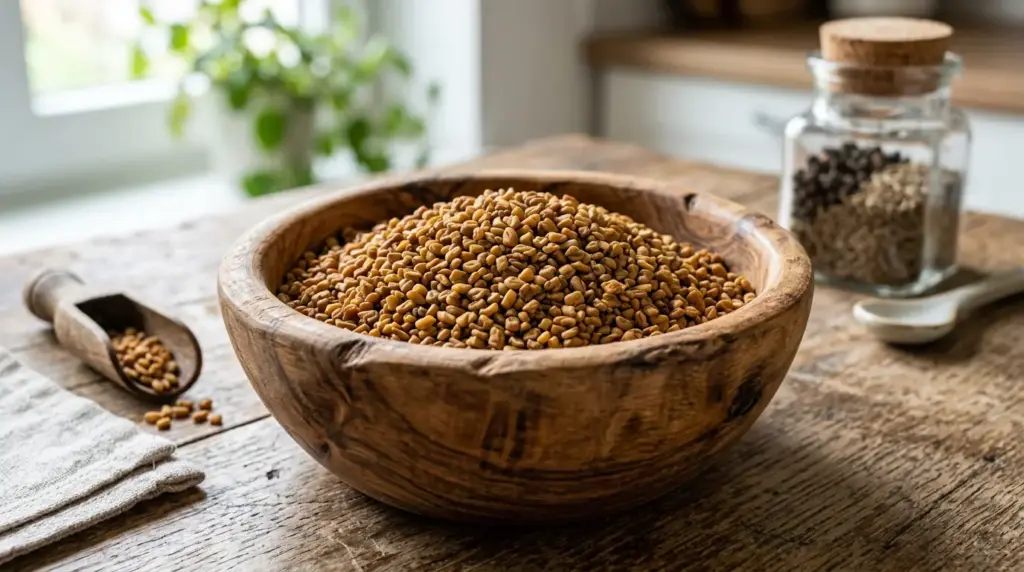
Table of Contents
Quick Summary
Trigonella foenum-graecum L., universally known as Fenugreek, is an annual aromatic legume belonging to the Fabaceae family, indigenous to the Mediterranean region and Western Asia. Revered for over two millennia in Ayurvedic, Unani, and Traditional Chinese Medicine (TCM), it is often called a “magic herb” for its exceptionally diverse therapeutic profile. Modern scientific evidence validates its role as a potent antidiabetic, hypolipidemic, hormonal-balancing, and anti-inflammatory agent. These multi-target effects are driven by a unique complex of bioactives, including the insulinotropic amino acid 4-hydroxyisoleucine, steroidal saponins like diosgenin, and the alkaloid trigonelline. Clinically, it is noted for significantly improving glycemic indices in Type 2 diabetes, enhancing male libido and testosterone levels, and reducing the severity of PCOS symptoms. Commonly consumed as standardized seed extracts, aqueous infusions, or sprouted microgreens, it maintains a high safety profile. However, it is classified as Caution for use during pregnancy, as it may exert abortifacient and uterine-stimulant effects
Key Therapeutic Benefits
- Clinical Alleviation of Type 2 Diabetes and Hyperglycemia Fenugreek extracts significantly reduce fasting blood glucose and HbA1c levels by slowing carbohydrate absorption and enhancing insulin secretion. It works by inhibiting alpha-amylase and alpha-glucosidase enzymes while improving the regeneration of pancreatic beta-cells. Long-term supplementation serves as an effective adjunct to conventional metformin therapy. (Abdel-Barry, 1997; Neelakantan, 2014; Gupta, 2001)
- Comprehensive Management of Dyslipidemia and Lipid Profiles Chronic administration facilitates a marked reduction in total cholesterol, LDL-C, and triglycerides while effectively elevating beneficial HDL-C levels. It enhances bile acid excretion and inhibits hepatic HMG-CoA reductase activity to prevent fat accumulation in the liver. This metabolic regulation provides a robust protective role against the development of atherosclerosis. (Chaturvedi, 2013; Srichamroen, 2008; Muluye, 2024)
- Promotion of Free Testosterone and Male Sexual Health Standardized seed extracts (enriched in protodioscin) significantly increase free testosterone levels and improve sperm count and morphology. It functions by modulating androgenic pathways to enhance sexual desire, morning erections, and overall mental alertness. This natural intervention supports reproductive health without the adverse events seen in synthetic hormone therapy. (Maheshwari, 2017; Rao, 2016; Park, 2018)
- Hormonal Restoration in Polycystic Ovary Syndrome (PCOS) Treatment with specialized fenugreek extracts induces a substantial reduction in ovarian cyst size and volume in women with PCOS. It normalizes the LH/FSH ratio and reduces prolactin and free testosterone levels to restore regular menstrual cycles. These phytoestrogenic properties help stabilize the endocrine system and improve fertility outcomes. (Gupta, 2024; Sankhwar, 2023; Swaroop, 2015)
- Anti-arthritic Suppression of Synovial Inflammation Fenugreek seed mucilage and petroleum ether extracts exhibit potent anti-arthritic activity by inhibiting pro-inflammatory cytokines like IL-6 and TNF-alpha. It reduces joint edema and stiffness comparable to indomethacin by suppressing cyclooxygenase-2 (COX-2) expression. Regular supplementation helps preserve cartilage integrity and reduces the “arthritic index” in chronic models. (Ahmadiani, 2001; Sindhu, 2012; G, 2018)
- Acceleration of Surgical and Incisional Wound Healing Topical application of fenugreek-loaded niosomal films or hydrogels enhances re-epithelialization and collagen synthesis at injury sites. It facilitates faster wound contraction by modulating the antioxidant/oxidant balance and increasing vascular endothelial growth factor (VEGF). This pro-regenerative effect is coupled with robust protection against common wound pathogens. (Alipour, 2025; Ktari, 2017; Salimabad, 2023)
- Neuroprotective Rescue of Dopaminergic Neurons Hydroalcoholic extracts prevent motor dysfunctions and neurodegeneration in Parkinson’s disease models by maintaining brain dopamine levels. It works by inhibiting acetylcholinesterase (AChE) and mitigating mitochondrial metabolic imbalance induced by neurotoxins. This molecular shield helps stabilize the central nervous system and improves cognitive performance. (Gaur, 2013; Zameer, 2018; Assad, 2018)
- Hepatoprotective Recovery from Alcohol and Toxic Organ Injury Polyphenolic extracts shield liver cells from ethanol-induced apoptosis and oxidative DNA damage by restoring glutathione (GSH) levels. It reduces serum markers of liver dysfunction (ALT, AST) and prevents the accumulation of collagen and lipid droplets in hepatocytes. This “liver-shielding” effect is comparable to the standard hepatoprotective drug silymarin. (Farshori, 2022; Zargar, 2014; Kaviarasan, 2007)
- Gastroprotective Mitigation of Gastric Mucosal Injury Aqueous extracts and seed-derived gel fractions provide significant protection against gastric ulcers induced by ethanol or chemicals. It strengthens the mucosal barrier by increasing glycoproteins and suppressing lipid peroxidation in the stomach wall. This protection is linked to its potent antioxidant activity and its ability to maintain a healthy gastric pH. (Pandian, 2002; Selmi, 2022; Abdel-Daim, 2015)
- Clinical Alleviation of Menopausal Vasomotor Symptoms Standardized de-husked seed extracts significantly reduce the frequency and intensity of hot flashes and night sweats in aging women. It improves the overall quality of life (MENQOL) by addressing psychosocial and physical symptoms through hormone-modulatory activity. This preparation serves as a safe, natural alternative for women avoiding hormone replacement therapy. (Erten, 2025; Steels, 2017; Abedinzade, 2015)
- Targeted Cytotoxicity and Apoptosis in Breast Cancer Bioactive compounds in fenugreek induce caspase-dependent apoptosis and arrest the cell cycle (G1 phase) in MCF-7 malignant lines. It significantly suppresses the migration and invasion of tumor cells by downregulating the expression of IKK-alpha/beta and NF-kB. This selective cytotoxicity restricts tumor proliferation while showing minimal toxicity to normal fibroblasts. (Amin, 2005; Tayarani-Najaran, 2014; Alsemari, 2014)
- Inhibition of Colorectal Adenocarcinoma Proliferation Protein hydrolysates and diosgenin isolated from seeds cause a marked decrease in undifferentiated cell proliferation in colonic cancer lines. It triggers mitochondrial membrane permeabilization and the release of cytochrome C to induce programmed cell death. This nutraceutical intervention identifies fenugreek as a promising resource for managing colorectal cancer progression. (Allaoui, 2019; Raju, 2004; Ammar, 2022)
- Subjective Suppression of Short-term Appetite Drinking fenugreek tea or consuming the fiber-rich seeds significantly increases feelings of fullness and reduces hunger in overweight individuals. It works by increasing cholecystokinin signaling and slowing down gastric emptying through its viscous galactomannan content. This provides a natural strategy for regulating food intake and preventing diet-induced obesity. (Bae, 2015; Robert, 2014; Dakam, 2007)
- Enhancement of Post-Exercise Muscle Glycogen Resynthesis Adding fenugreek extracts rich in 4-hydroxyisoleucine to post-exercise carbohydrate beverages drastically improves the rate of muscle glycogen restoration. It facilitates faster recovery for athletes by enhancing insulin-stimulated glucose transport into skeletal muscle without altering blood glucose levels. This metabolic advantage improves endurance and performance in subsequent training sessions. (Ruby, 2005; Yan, 2022; Assad, 2017)
- Nephroprotective Defense against Diabetic Nephropathy Dietary fenugreek seeds attenuate renal damage by suppressing the renin-angiotensin system and downregulating glucose transporters (GLUT) in the kidneys. It reduces proteinuria and enzymuria while restoring the structural integrity of podocytes and the glomerular base membrane. This molecular protection prevents the functional decline of the kidneys in chronic metabolic conditions. (Hegazy, 2015; Xue, 2011; Pradeep, 2019)
- Cardioprotective Salvage after Myocardial Infarction Water-soluble polysaccharides and seed extracts alleviate TMX-induced heart damage by reducing plasma creatine phosphokinase and troponin-T. It mitigates myocardial oxidative damage and genotoxicity by boosting the activities of SOD and catalase in cardiac tissue. Pre-treatment with fenugreek effectively prevents the pathological progression toward heart failure. (Feki, 2019; Mukthamba, 2015; Mukthamba, 2016)
- Amelioration of Muscle Atrophy and Sarcopenia Specific botanical formulations containing fenugreek protect C2C12 myotubes from degradation by stimulating Akt-dependent protein synthesis. It sustains muscle mass and function in sarcopenic models by inhibiting myofibrillary protein breakdown and promoting myoblast differentiation. This identifies its potential role as a remedial supplement for age-related muscle wasting. (Bhat, 2015; Salvadori, 2020; Sana, 2026)
- Symptomatic Relief of Mild Bronchial Asthma Aqueous syrups prepared from fenugreek seeds significantly increase FEV1 levels and improve the quality of life in asthmatic patients. It works by reducing airway inflammation and the infiltration of inflammatory cells (eosinophils) into the lungs. This anti-asthmatic potential is mediated through the suppression of Th2-mediated immune responses and IgE levels. (Emtiazy, 2018; Piao, 2017; Kim, 2024)
- Bactericidal Inhibition of Drug-Resistant Pathogens Bioactive seed extracts and green-synthesized silver nanoparticles exhibit potent activity against MRSA and Escherichia coli. It disrupts the bacterial cell membrane and inhibits biofilm formation by targeting the MexA efflux pump systems. This broad-spectrum antimicrobial efficacy provides a natural resource for combating healthcare-associated infections. (Ahmed, 2025; Stamova, 2025; Boubker, 2026)
- Therapeutic Mitigation of Oral Malodor and Periodontitis Standardized seed extracts inhibit the growth of Fusobacterium nucleatum, a primary cause of oral malodor (halitosis). It induces significant bacterial cell wall damage comparable to the standard antiseptic chlorhexidine, without the risk of tooth staining. Incorporation into mouthwashes provides an effective natural alternative for managing periodontal and oral hygiene. (Massironi, 2024; Sethi, 2024; Lal, 2025)
- Inhibition of Melanin Synthesis for Skin Brightening Phytochemical constituents like trigonelline demonstrate potent tyrosinase inhibition, effectively reducing melanin content in skin models. It upregulates the Nrf2 signaling pathway to boost cellular defenses against ultraviolet-induced oxidative stress and pigmentation. Regular topical use in cosmetic formulations promotes a more even skin tone and reduces dermal thinning. (Masjedi, 2022; Tundis, 2023; Kim, 2025)
- Urolithiasic Prophylaxis and Kidney Stone Prevention Oral treatment with fenugreek seeds significantly decreases the quantity of calcium oxalate deposited in the kidneys. It normalizes urinary biochemistry and prevents the nucleation and aggregation of crystals within the renal tubules. This anti-lithogenic potential validates its traditional use as a primary remedy for managing kidney stone disease. (Ahsan, 1989; Laroubi, 2007; Jamshed, 2022)
- Anticonvulsant Shielding in Acute Epilepsy Models Hydroalcoholic extracts and seed-derived nanoparticles increase seizure latency and reduce mortality in chemical-induced seizure models. It works by normalizing brain adenosine systems and restoring antioxidant status within the central nervous system. This neuropharmacological benefit helps minimize the neuronal damage typically associated with convulsive behavior. (Alhamhoom, 2026; Rezvani, 2010; Kapucu, 2020)
- Inhibitory Protection against Experimental Cataractogenesis Fenugreek seed powder prevents the opacification of the eye lens by restoring reduced glutathione (GSH) and decreasing malondialdehyde levels. It slows down the progression of galactose-induced cataracts through its potent antioxidant and antiglycation properties. Regular consumption may prevent secondary diabetic complications related to retinal degeneration and lens abnormalities. (Gupta, 2010; Vats, 2004; Preet, 2006)
- Antidepressant Efficacy via Monoamine Oxidase Inhibition Standardized seed flavonoids significantly reduce immobility time in despair models by inhibiting the activities of MAO-A and MAO-B. It restores normal concentrations of serotonin, norepinephrine, and dopamine in the hippocampus and prefrontal cortex. This dual action targets both the neurochemical and psychological domains of depressive disorders. (Khursheed, 2014; Wang, 2019; Mann, 2025)
How It Works (Phytochemistry)
- 4-Hydroxyisoleucine → Activation of Akt phosphorylation and GLUT4 translocation → Antidiabetic & Insulin-Sensitizing
- Diosgenin → Activation of the intrinsic mitochondrial apoptotic pathway (Caspase-3) → Anticancer & Anti-proliferative
- Trigonelline → Inhibition of Tyrosinase and Acetylcholinesterase activity → Skin Brightening & Neuroprotective
- Galactomannan → Increasing intestinal viscosity and bile acid sequestration → Hypocholesterolemic & Satiety-Inducing
- Protodioscin → Modulation of androgenic receptor sensitivity → Libido-Enhancing & Spermatogenic
- Quercetin → Upregulation of SIRT1 protein and Nrf2 pathways → Anti-aging & Antioxidant
Traditional Knowledge
- Ayurveda: Known as Methika, it is used as a Kaphahara (Kapha-balancing) herb traditionally prescribed for Prameha (early diabetes) and to treat indigestion and obesity.
- Traditional Chinese Medicine (TCM): Known as Hulu Ba, it is utilized to “warm the kidneys,” dispel internal cold, and treat conditions like abdominal pain, hernia, and beriberi.
- Unani Medicine: Prized as Hulba, scholars consistently recommend the seeds for treating indigestion, flatulence, arthritis, backache, and bronchial asthma.
- European Folk Medicine: Historically used as a “mother’s herb” (galactogogue) to increase breast milk secretion and as a topical emollient for boils and skin eruptions
Usage and Preparations
- Standardized Capsules (500–1000 mg): Administered twice daily for the long-term management of Type 2 diabetes and PCOS.
- Standardized Extract (Testofen): Taken as 600 mg daily to enhance male libido and muscle strength.
- Aqueous Syrup (Fenugreek): Consumed at 9 ml twice daily for symptomatic relief of bronchial asthma.
- Seed Mucilage (FSM): Used as a natural matrix-forming agent for controlled-release tablets and bone tissue engineering.
- Aqueous Infusion (Tea): Traditionally brewed (5 g dry seed) to suppress appetite and treat digestive colic.
- Topical Niosomal Film: Applied to the skin for accelerated burn wound healing and reduced inflammation
Identity and Authentication
- Botanical Name: Trigonella foenum-graecum L.
- Family: Fabaceae (Leguminosae).
- Common Names: Fenugreek, Methi, Hulu Ba, Hulba, Greek Hay.
- Morphology: An annual herb with branched, erect stems, trifoliate leaves, and golden-yellow rhomboidal-shaped seeds in long pods.
- Plant Part Used: Dried Ripe Seeds, Leaves, and Stems.
- Analytical Markers: Authenticated using HPLC-DAD and LC-MS/MS for trigonelline, 4-hydroxyisoleucine, and diosgenin (> 45% furostanolic saponins).
- Microscopy: Identified by the presence of a ligneous seed-coat and large starch-containing parenchyma cells in the endosperm
Dosage and Safety
- Dosage: Effective clinical oral doses involve 1000 mg daily for PCOS or 1500 mg daily for glycemic control. Seed powder doses up to 25 g twice daily are used for hyperlipidemia.
- Side Effects: Generally well-tolerated; rare reports of mild gastrointestinal upset, hunger, dizziness, and “maple syrup” body odor.
- Toxicity: Classified as non-toxic; LD50 estimated at > 10 g/kg. However, high doses may decrease bone marrow cell proliferation.
- Drug Interactions: Overconsumption may interact with Warfarin (anti-platelet activity) and Metformin/Sulphonylureas (additive hypoglycemic effect).
- Classification: Safe (Standard doses); Caution (Avoid during pregnancy due to abortive potential and in patients with peanut/chickpea allergies).
FAQs
- Does Fenugreek really help with hair growth? Yes, clinical results show that standardized extracts significantly increase terminal hair count and reduce shedding after 90 days of consistent use.
- Is it safe to take Fenugreek while pregnant? No. Fenugreek is not recommended during pregnancy as it has been shown to have deleterious effects on reproductive performance and potential teratogenic effects in models.
- Can I take Fenugreek with my diabetes medication? Caution is advised. Fenugreek has strong hypoglycemic properties that can potentiate the effects of Metformin, potentially causing blood sugar to drop too low. Always consult your doctor.
- How long does it take to see results for testosterone? Significant improvements in free testosterone levels and libido are typically established within 8 to 12 weeks of consistent daily use.
- Does Fenugreek help with weight loss? Yes, systematic reviews indicate that fenugreek can significantly decrease BMI by suppressing appetite and inhibiting fat absorption in the intestines.
- Can I use Fenugreek for my PCOS symptoms? Yes, it is clinically proven to reduce ovarian cyst size and restore regular menstrual cycles by normalizing hormone levels.
- Does Fenugreek interact with blood thinners? Yes, because it may have anti-platelet activity, it should be used cautiously with drugs like Warfarin or before upcoming major surgery.
- Can Fenugreek help with asthma? Yes, aqueous extracts of fenugreek seeds have been shown to significantly improve lung function tests (FEV1) in patients with mild asthma.
- Which is better: seed powder or extract capsules? Standardized extract capsules provide consistent levels of furostanolic saponins for clinical conditions like BPH or PCOS, while seed powder is effective for general fiber and lipid management.
- Does Fenugreek affect body odor? Some users report a maple syrup-like odor in sweat and urine. This is a harmless side effect caused by the metabolite sotolone
References
- Allaoui, A., et al. (2019). “Protein Hydrolysates from Fenugreek (Trigonella foenum graecum) as Nutraceutical Molecules in Colon Cancer Treatment.” Nutrients 11(4). DOI: 10.3390/nu11040854
- Alghamdi, S. S., et al. (2021). “Novel Anti-Tubulin Compounds from Trigonella foenum-graecum Seeds; Insights into In-vitro and Molecular Docking Studies.” Drug Des Devel Ther 15: 4195-4211. DOI: 10.2147/DDDT.S323118
- Chehregosha, F., et al. (2025). “The effects of fenugreek (Trigonella foenum-graecum) seed on glycemic parameters: An updated systematic review and meta-analysis.” Avicenna J Phytomed 15(6): 1677-1699. DOI: 10.22038/AJP.2024.23847
- Gupta, R. S., et al. (2024). “A randomized double blind placebo controlled trial to assess the safety and efficacy of a patented fenugreek (Trigonella foenum-graecum) seed extract in Type 2 diabetics.” Food Nutr Res 68. DOI: 10.29219/fnr.v68.9954
- Akhtar, H., et al. (2025). “Bioactive Potential and Health Benefits of Trigonella foenum-graecum L.: A Comprehensive Review.” Food Sci Nutr 13(9): e70887. DOI: 10.1002/fsn3.70887
Jump to: Benefits | Phytochemistry | Dosage | FAQs