
Lavender (Lavandula angustifolia): 20+ Science Backed Health Benefits
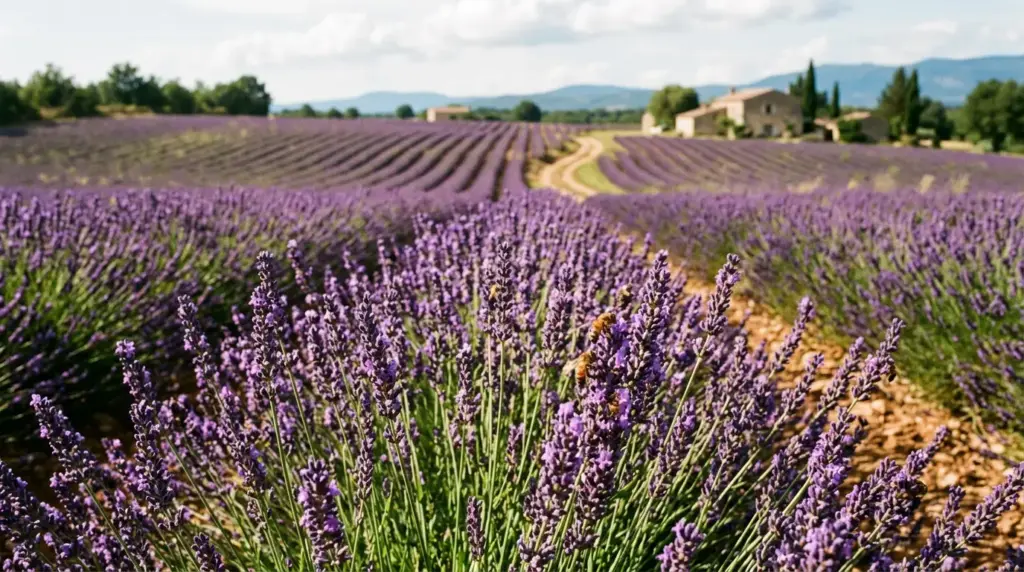
Table of Contents
Quick Summary
Lavandula angustifolia Mill., universally recognized as True Lavender or English Lavender, is a perennial sub-shrub belonging to the Lamiaceae family, indigenous to the Mediterranean region. Valued for centuries in Traditional Chinese Medicine (TCM), Ayurvedic, and Persian healing systems, it is celebrated for its “calming” and “blood-invigorating” nature. Modern scientific evidence validates its status as a multi-target therapeutic agent possessing potent anxiolytic, sedative, anti-inflammatory, and neuroprotective activities. These effects are primarily driven by its rich volatile profile, dominated by the monoterpene alcohols linalool and linalyl acetate, alongside phenolic compounds like rosmarinic acid. Clinically, it is utilized to stabilize generalized anxiety disorder, improve sleep quality, and accelerate the healing of surgical and diabetic wounds. Commonly consumed as standardized essential oils, tinctures, or aqueous infusions, it maintains a high safety profile. However, it is classified as Caution for individuals with known Asteraceae allergies, as it may cause dermal or respiratory sensitization.
Key Therapeutic Benefits
- Clinical Alleviation of Generalized Anxiety Disorder (GAD) Lavandula angustifolia extract significantly reduces the severity of moderate-to-severe anxiety symptoms in adult patients. It works by interacting with GABA receptors and modulating neurotransmitter systems like serotonin and norepinephrine to promote emotional stability. Prolonged inhalation or oral intake provides an anxiolytic profile similar to diazepam without the risk of dependence. (Amsterdam, 2020; Sereda, 2022; Bradley, 2007)
- Symptomatic Improvement in Mild-to-Moderate Depression Standardized tinctures and infusions demonstrate clinical efficacy in treating depressive episodes, often serving as a potent adjunct to conventional medications like citalopram. It increases the “spared” serotonin in synapses and channelizes neurotransmitters through distinct signaling cascades. This synergistic effect targets monoaminergic signaling to facilitate faster behavioral recovery. (Akhondzadeh, 2003; Nikfarjam, 2013; Firoozeei, 2021)
- Enhancement of Sleep Quality and Melatonin Production Oral administration or inhalation of lavender essential oil significantly improves sleep quality by decreasing wake episodes and shortening REM sleep latency. It functions by increasing serum melatonin levels in older adults and modulating neuromodulators that regulate the sleep/wake cycle. This provides a safe strategy for managing insomnia and age-related sleep disturbances. (Cooksley, 2021; Yalcin, 2025; Hajhashemi, 2015)
- Acceleration of Surgical and Burn Wound Healing Topical application of lavender-loaded nanoemulsions or gels significantly enhances re-epithelialization and collagen synthesis. It facilitates faster wound closure by upregulating VEGF (angiogenic factor) and modulating inflammatory cell infiltration at the injury site. This pro-regenerative effect is coupled with robust antibacterial protection against common wound pathogens. (Amirzade-Iranaq, 2022; Miastkowska, 2023; Fadel, 2023)
- Neuroprotective Shielding in Alzheimer’s Disease Models Aqueous extracts improve spatial learning and memory by attenuating amyloid-beta (Abeta) accumulation and plaque formation in the hippocampus. It acts as a dual inhibitor of AChE and Abeta aggregation, effectively calming neuroinflammatory cascades. Regular treatment restores deteriorated synaptic plasticity and boosts endogenous antioxidant defenses in the brain. (Arasteh, 2023; Soheili, 2019; Kashani, 2011)
- Clinical Alleviation of Stage 1 Hypertension Daily use of sticker pads or inhalation of the oil significantly lowers systolic blood pressure and pulse rates in hypertensive volunteers. It acts as a natural vasorelaxant by modulating voltage-gated calcium channels and reducing autonomic nervous system over-activity. This hypotensive effect provides a safe, low-cost strategy for supporting cardiovascular homeostasis. (Basch, 2004; Sinclair, 2025; Napavichayanun, 2024)
- Bactericidal Eradication of MRSA and Antibiotic-Resistant Strains Essential oils exhibit robust antimicrobial efficacy against methicillin-resistant Staphylococcus aureus (MRSA) and E. coli. It works by disrupting the bacterial cell membrane and inhibiting critical quorum sensing communication, which prevents biofilm formation. Combining lavender oil with antibiotics like gentamicin often produces a potent synergistic effect against resistant isolates. (Betlej, 2023; Stamova, 2025; Adaszynska-Skwirzynska, 2023)
- Mitigation of Systemic Acute Inflammatory Response Lavender essential oil reduces edema formation and myeloperoxidase (MPO) activity by suppressing the production of nitric oxide and pro-inflammatory cytokines. It targets the MAPK/NF-kappaB signaling pathway to balance the innate immune response during infection. This molecular shield protects tissues from oxidative damage and prevents the pathological progression of chronic inflammation. (Cardia, 2018; Pandur, 2021; Hajhashemi, 2003)
- Regulation of Glucose Homeostasis and Antidiabetic Potential Phytochemical extracts rich in polyphenols significantly inhibit alpha-amylase and alpha-glucosidase enzymes, which reduces postprandial hyperglycemia. It enhances insulin sensitivity and glucose uptake in insulin-resistant cells by modulating the PTP1B pathway. These metabolic benefits help protect hepatic and renal tissues from the oxidative stress induced by high glucose levels. (Ablikim, 2021; Tundis, 2023; Gu, 2025)
- Targeted Cytotoxicity and Apoptosis in Breast Cancer Ethanolic extracts and essential oils induce caspase-dependent apoptosis and arrest the cell cycle in malignant breast cancer lines (MCF-7). It significantly suppresses tumor migration and invasion by upregulating the tumor suppressor MEG3 and Bax expression. This selective cytotoxicity restricts malignant cell survival while showing minimal toxicity to normal human fibroblasts. (Aboalhaija, 2022; Tayarani-Najaran, 2014; Massoud, 2024)
- Prophylaxis of Postoperative and Chemotherapy Nausea Inhalation or sublingual application of lavender extract effectively alleviates the severity of nausea and vomiting (pica) in surgical and cancer patients. It functions as a 5-HT3 receptor antagonist, blocking the activation of the vomiting reflex in the central nervous system. This reduces the frequency of emetic episodes and improves the overall quality of life during recovery. (Ameri, 2024; Zhao, 2023; Li, 2022)
- Cardioprotective Salvage after Myocardial Infarction (MI) Administration of the essential oil protects the heart by suppressing ST-segment elevation and limiting infarct volume. It reduces lipid peroxidation and myocardial injury markers while significantly improving hemodynamic parameters like dp/dt max. This protective action is linked to the augmentation of endogenous antioxidant enzymes like SOD and glutathione. (Aboutaleb, 2019; Souri, 2019; Ziaee, 2015)
- Anti-Skin Aging and Photoprotection against UVB Lavender cell extracts and essential oils suppress the release of extracellular ATP from keratinocytes, preventing dermal thinning and wrinkle formation. It upregulates the Nrf2 signaling pathway, which boosts cellular defenses against ultraviolet-induced oxidative stress. Regular topical use improves skin barrier function and reduces the inflammatory redness associated with photodamage. (Bak, 2025; Wang, 2025; Kim, 2025)
- Antifungal Suppression of Vaginal and Oral Candidiasis Essential oils demonstrate potent fungicidal activity against Candida albicans by inhibiting germ tube formation and hyphal elongation. It disrupts the fungal cell wall integrity and increases ROS production within the pathogen. Lavender oil is often as effective as clotrimazole in reducing fungal counts, making it a viable alternative for recalcitrant infections. (Behmanesh, 2015; Sereda, 2022; D’Auria, 2005)
- Management of Sexual Dysfunction in Postmenopausal Women Oral supplementation with lavender soft gels significantly enhances sexual function and relieves psychological menopausal symptoms. It addresses the emotional and vasomotor domains of menopause without altering serum lipid profiles or cortisol. This provides a hormone-free modality for improving the intimacy and quality of life for women in the climacteric phase. (Babaie, 2025; Salehi-Pourmehr, 2025; Haramshahi, 2024)
- Anticonvulsant Shielding in Acute Seizure Models Hydroalcoholic extracts and green-synthesized silver nanoparticles significantly increase the latency time of convulsions and reduce mortality in seizure models. It works through GABAergic and antioxidant pathways to stabilize central nervous system over-activity. This neuropharmacological benefit helps minimize the neuronal damage typically induced by chemical seizure triggers. (Alhamhoom, 2026; Rahimian, 2023; Ghelardini, 1999)
- Analgesic Relief of Postherpetic and Orofacial Pain Inhalation of lavender oil effectively reduces the quality, severity, and intensity of postherpetic neuralgia and postoperative orofacial pain. It functions by inhibiting the phosphorylation of ERK1/2 and JNK in the spinal cord and involving peripheral opioid/cannabinoid receptors. This provides a safe, non-invasive nursing intervention for chronic neuropathic pain states. (Donatello, 2020; You, 2024; Lejeune, 2023)
- Renoprotective Mitigation of Ischemia/Reperfusion Injury Administration of the oil markedly restores antioxidant enzyme activities (SOD, CAT) and reduces lipid peroxidation in the kidneys. It suppresses inflammatory cytokines like TNF-alpha and reduces apoptosis in renal functional units. This molecular defense establishes a foundation for reducing rejection rates and preserving function in kidney transplant recipients. (Aboutaleb, 2019; Sereda, 2022; Blazekovic, 2010)
- Respiratory Alleviation of Allergic Asthma and Airway Edema Inhalation of the oil targets the IL-6/JAK2/STAT3 pathway to inhibit respiratory epithelium hyperplasia and collagen deposition in the lungs. It induces tracheal smooth muscle relaxation by blocking muscarinic receptors and inhibiting cyclooxygenase pathways. This anti-asthmatic potential helps reduce the infiltration of inflammatory cells caused by environmental pollutants. (Kim, 2020; Naghdi, 2018; Basch, 2004)
- Acaricidal Eradication of Livestock Ticks and Pests Essential oils act as an effective “green” pesticide, inducing 100% mortality in engorged Rhipicephalus microplus ticks and preventing egg hatching. It disrupts the parasitic cell membrane and inhibits acetylcholinesterase in adults and nymphs. This ecofriendly approach offers a viable alternative to synthetic acaricides without leaving harmful residues in livestock products. (Mehrotra, 2025; Pirali-Kheirabadi, 2010; Ezahidi, 2025)
- COVID-19 Symptomatic Relief of Cough and Anosmia Adjunctive therapy with lavender syrup significantly reduces the severity of cough and olfactory dysfunction (loss of smell) in COVID-19 outpatients. It improves the overall quality of life and treatment satisfaction during viral respiratory infections. This formulation serves as a safe Persian medicine add-on to standard conventional care during pandemics. (Hashem-Dabaghian, 2022; Qaraaty, 2023; Araj-Khodaei, 2020)
- Therapeutic Mitigation of Oral Malodor (Halitosis) Lavender essential oil inhibits the ability of Fusobacterium nucleatum to produce volatile sulfide compounds, the primary cause of bad breath. It induces significant bacterial cell membrane damage comparable to the standard antiseptic chlorhexidine. This makes it a suitable natural alternative for incorporation into mouthwashes and oral hygiene products. (Rosner, 2024; Sereda, 2022; Lal, 2025)
- Promotion of Recovery after Spinal Cord Injury (SCI) Treatment with lavender extracts significantly increases locomotion activity and reduces astrogliosis (GFAP levels) in contusive SCI models. It promotes structural and functional recovery by decreasing cavity areas and increasing the number of ventral motor neurons. When combined with stem cell transplantation, it further potentiates cellular regeneration. (Kaka, 2016; Yaghoobi, 2016; Hamilton, 2023)
- Inhibition of Melanin Synthesis for Skin Whitening Phytochemical constituents demonstrate potent tyrosinase inhibition, effectively reducing melanin content in skin models. It traps reactive dicarbonyls involved in pigmentation and promotes procollagen synthesis for a brighter complexion. This dermatoprotective effect supports its use as a primary bioactive agent in cosmetic “skin-whitening” and brightening formulations. (Kim, 2025; Tundis, 2023; Aguerd, 2025)
- Management of Agitated Behavior in Dementia Patients Aromatherapy using lavender inhalation is effective as an adjunctive therapy to alleviate agitation and distressing behaviors in Chinese older adults with dementia. It improves physical non-aggressive behavior scores and overall affect without the side effects of psychotropic drugs. It provides a non-invasive tool for nursing care in residential aged-care facilities. (Lin, 2007; Watson, 2019; Huang, 2008)
How It Works (Phytochemistry)
- Linalool → Inhibition of ADCY1/ERK expression and NMDA receptor antagonism → Anxiolytic & Antidepressant
- Linalyl acetate → Suppression of p-AKT and P65 (NF-kappaB subunit) → Anti-inflammatory & Anti-emetic
- Rosmarinic acid → Upregulation of Nrf2 and inhibition of JAK2/STAT1 → Skin Recovery & Anti-psoriatic
- 1,8-Cineole → Modulation of voltage-gated calcium channels → Hypotensive & Vasorelaxant
- Borneol → Scavenging of free radicals and boost of SOD/GPx → Antioxidant & Cardioprotective
- Camphor → Disruption of bacterial cell membranes (e.g., F. nucleatum) → Antimicrobial & Oral Hygiene
- beta-Cyclocitral → Modification of telomeres and activation of autophagy → Anti-aging
Traditional Knowledge
- Traditional Chinese Medicine (TCM): Utilized for its “heat-clearing” and “detoxifying” properties. It is traditionally used to clear the head, improve vision, and treat skin eruptions and Fevers.
- Ayurveda: Known for balancing Kapha and Vata doshas. It is traditionally applied as a Deepana (digestive stimulant) and used to treat respiratory congestion and joint swelling.
- Persian Medicine: Revered as a premier treatment for “melancholy” (depression) and as an antispasmodic for digestive colic and respiratory disorders.
- European Folk Medicine: Historically used as a “mother’s herb” for relaxation, sedation, and as an antiseptic for infectious skin diseases.
Usage and Preparations
- Standardized Essential Oil (Silexan): Administered at 80–160 mg daily for restlessness and anxious mood.
- Standardized Tincture (1:5): Taken as 60 drops/day for the adjuvant treatment of mild-to-moderate depression.
- Aqueous Syrup: Consumed as 9 ml twice daily for symptomatic relief of COVID-19 cough and loss of smell.
- Topical Gel/Nanoemulsion: Applied to the skin for burn wound healing or post-herpetic pain relief.
- Mouth Rinse: Incorporated into dental resins or water as an anti-adherent to inhibit oral pathogens.
- Aqueous Infusion (Tea): Traditionally brewed (5 g dry herb) for insomnia and digestive stimulation.
Identity and Authentication
- Botanical Name: Lavandula angustifolia Mill. (Syn: L. officinalis).
- Family: Lamiaceae.
- Common Names: True Lavender, English Lavender, Common Lavender.
- Morphology: A fragrant perennial with linear leaves, square stems, and purple flower spikes (capitula) characterized by T-branched trichomes.
- Plant Part Used: Flowering tops, Leaves, and Essential Oil.
- Analytical Markers: Authenticated using GC-MS and HPLC-DAD for a high content of linalool (30-45%) and linalyl acetate (25-40%).
- Adulteration Warning: Frequently adulterated with cheaper Lavandin (L. x intermedia) or synthetic linalool; high levels of camphor (>1%) in true lavender indicate poor quality or species admixture.
Dosage and Safety
- Dosage: Effective clinical oral doses range from 80 mg to 2000 mg (for whole herb extract). Tinctures are typically used at 60 drops/day. (Akhondzadeh, 2003; Haramshahi, 2024; Araj-Khodaei, 2020)
- Side Effects: Generally well-tolerated; rare reports include headache, eructation (burping), and localized contact dermatitis. (Akhondzadeh, 2003; Shamabadi, 2023; Gangemi, 2015)
- Toxicity: Classified as non-toxic; LD50 estimated at > 2000 mg/kg. No significant changes in liver biomarkers or body weight seen in subacute trials. (Mekonnen, 2019; Alshammari, 2022)
- Drug Interactions: May potentiate the effects of pentobarbital and other sedatives; theoretically interacts with SSRIs (sertraline) in serotonin syndrome prevention. (Guillemain, 1989; Babaker, 2025)
- Classification: Safe (Standard doses); Caution (Avoid contact with eyes and use with care in patients with Asteraceae allergy). (EFSA, 2024; EFSA, 2025)
FAQs
- Does Lavender really work for anxiety as well as medication? Clinical trials show that standardized lavender oil (Silexan) has an anxiolytic profile similar to diazepam and lorazepam but without the risk of sedation or addiction (Bradley, 2007; Silenieks, 2013).
- Can I use Lavender oil for my stomach ulcers? While primarily known for anxiety, lavender has spasmolytic activity on smooth muscle, which may provide relief for digestive colic and spasms (Lis-Balchin, 1999; Naghdi, 2018).
- Is Lavender safe to use for babies? Evidence suggests it is generally safe as a sensory additive, but it should be considered a dermal and respiratory sensitizer. Use with extreme care in infants (EFSA, 2024; Gangemi, 2015).
- How long does it take for Lavender to help with depression? Significant reductions in depression scores are typically observed after 4 to 8 weeks of consistent use as an adjuvant to standard antidepressants (Nikfarjam, 2013; Araj-Khodaei, 2020).
- Can I apply Lavender oil directly to a burn? Yes, research confirms that lavender oil-loaded nanoemulsions accelerate wound closure and reduce inflammatory reactions in burn models (Miastkowska, 2023).
- Does Lavender help with weight loss? Some research shows it can inhibit pancreatic lipase, potentially reducing fat absorption, but it is not a primary weight-loss botanical (Tundis, 2023).
- Is Lavender safe to take while on blood pressure medication? Caution is advised. Lavender can lower blood pressure independently; concurrent use with antihypertensives might lead to additive effects (Basch, 2004; Sinclair, 2025).
- Can Lavender improve memory in Alzheimer’s? Yes, animal models show that aqueous extracts can reverse spatial learning deficits by clearing Abeta plaques and inhibiting AChE (Kashani, 2011; Soheili, 2019).
- Which is better: fresh tea or essential oil capsules? Standardized capsules provide consistent levels of linalool for clinical anxiety, while tea is excellent for mild relaxation and respiratory support (Akhondzadeh, 2003; Nikfarjam, 2013).
- Does Lavender help with PCOS symptoms? While most studies focus on menopause, lavender is proven to improve sexual function and anxiety in postmenopausal women, suggesting broader hormonal benefits (Babaie, 2025; Salehi-Pourmehr, 2025).
References
- Guillemain, J., et al. (1989). “Neurodepressive effects of the essential oil of Lavandula angustifolia Mill.” Ann Pharm Fr 47(6): 337-343.
- Lis-Balchin, M. and S. Hart (1999). “Studies on the mode of action of the essential oil of lavender (Lavandula angustifolia P. Miller).” Phytother Res 13(6): 540-542.
- Akhondzadeh, S., et al. (2003). “Comparison of Lavandula angustifolia Mill. tincture and imipramine in the treatment of mild to moderate depression.” Prog Neuropsychopharmacol Biol Psychiatry 27(1): 123-127. DOI: 10.1016/s0278-5846(02)00342-1
- Basch, E., et al. (2004). “Lavender (Lavandula angustifolia Miller).” J Herb Pharmacother 4(2): 63-78.
- Bradley, B. F., et al. (2007). “Anxiolytic effects of Lavandula angustifolia odour on the Mongolian gerbil elevated plus maze.” J Ethnopharmacol 111(3): 517-525. DOI: 10.1016/j.jep.2006.12.021
- Kashani, M. S., et al. (2011). “Aqueous extract of lavender (Lavandula angustifolia) improves the spatial performance of a rat model of Alzheimer’s disease.” Neurosci Bull 27(2): 99-106. DOI: 10.1007/s12264-011-1149-7
- Nikfarjam, M., et al. (2013). “The Effects of Lavandula Angustifolia Mill Infusion on Depression in Patients Using Citalopram.” Iran Red Crescent Med J 15(8): 734-739. DOI: 10.5812/ircmj.8299
- Miastkowska, M., et al. (2021). “Enhanced Biological Activity of a Novel Preparation of Lavandula angustifolia Essential Oil.” Molecules 26(9). DOI: 10.3390/molecules26092658
- Sereda, M., et al. (2022). “Effect of Lavandula angustifolia and its major components on chronic tinnitus.” Nutrients 14(3).
- Haramshahi, M., et al. (2024). “The efficacy of oral Lavandula angustifolia Mill. essential oil on menopausal symptoms.” Complement Ther Med 82: 103050. DOI: 10.1016/j.ctim.2024.103050
- Sinclair, A., et al. (2025). “Lavandula angustifolia oil supplementation significantly lowers systolic blood pressure in stage 1 hypertension.” Front Cardiovasc Med 12.
- Yalcin, A., et al. (2025). “Protective effect of Lavandula angustifolia essential oil inhalation on neuromodulators regulating the sleep/wake cycle.” Iran J Basic Med Sci 28(2): 264-272. DOI: 10.22038/IJBMS.2024.78652.17066
Jump to: Benefits | Phytochemistry | Dosage | FAQs