Peppermint (Mentha piperita): 15+ Evidence-Based Health Benefits
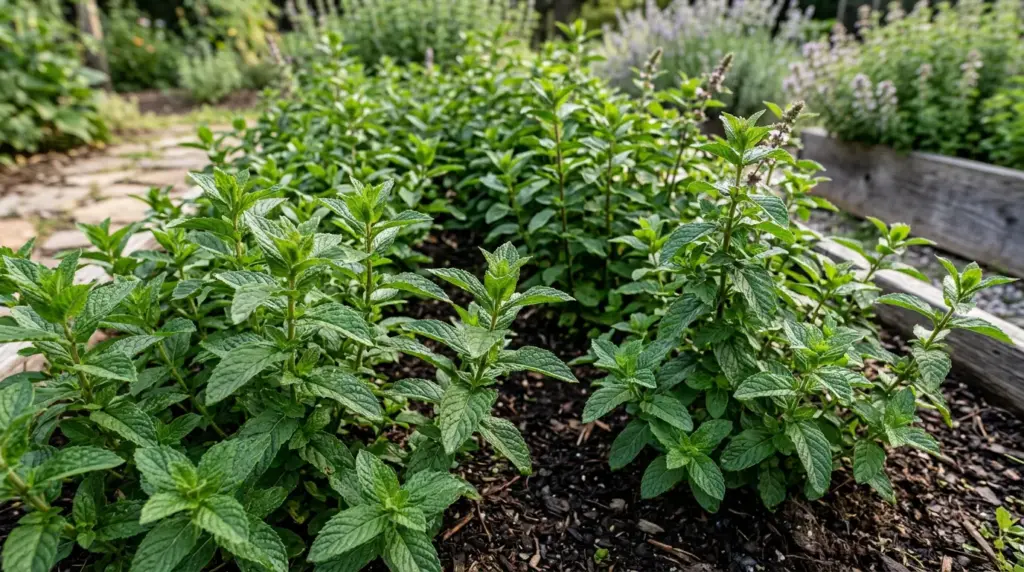
Table of Contents
Quick Summary
Mentha piperita L., universally known as Peppermint, is a sterile hybrid perennial herb resulting from the cross of Mentha aquatica (water mint) and Mentha spicata (spearmint). Belonging to the Lamiaceae family, it has been a cornerstone of global healing systems, particularly for its “cooling” and “blood-invigorating” nature. Modern scientific evidence validates its role as a multi-target therapeutic agent possessing potent antispasmodic, antimicrobial, neuroprotective, and hypotensive activities. These effects are primarily driven by a unique reservoir of bioactives, including the monoterpene menthol, menthone, and polyphenols such as rosmarinic acid and eriocitrin. Clinically, it is celebrated for significantly reducing blood pressure in hypertensive patients, alleviating postoperative nausea, and accelerating diabetic wound healing. Commonly consumed as aqueous infusions, standardized essential oils, or enteric-coated capsules, it maintains a high safety profile. However, it is classified as Caution for individuals with severe allergies to the Asteraceae family, as it may cause dermal or respiratory sensitization.
Key Therapeutic Benefits
- Clinical Alleviation of Stage 1 Hypertension Mentha piperita oil supplementation significantly lowers systolic blood pressure in individuals with pre- and stage 1 hypertension. It works by utilizing its abundance of menthol and flavonoids to mediate vascular relaxation and support cardiovascular homeostasis. Twice-daily supplementation provides a simple, low-cost strategy for blood pressure reduction. (Sinclair, 2025; Sinclair, 2026)
- Prophylaxis of Postoperative Nausea and Vomiting (PONV) The sublingual application of peppermint extract ice cubes effectively alleviates the severity of nausea in patients recovering from laparoscopic surgery. It functions as a safe non-pharmacological adjunct that reduces the frequency of vomiting episodes and the subsequent demand for rescue antiemetic medications. (Kamalvand, 2025; Zhao, 2023)
- Neuroprotective Shielding in Parkinson’s Disease Models Ethanolic extracts prevent motor dysfunctions and neurodegeneration of the substantia nigra by maintaining brain dopamine levels. It works through potent antioxidant capacities that modulate lipid peroxidation and boost endogenous enzymes like superoxide dismutase to ensure neuronal survival. (Anjum, 2024; Oh, 2026)
- Acceleration of Diabetic and Cutaneous Wound Healing Topical application of peppermint essence or green-synthesized silver nanoparticles significantly enhances re-epithelialization and fibroblast proliferation. It facilitates faster wound closure by upregulating TGF-beta expression and modulating the antioxidant/oxidant balance within the tissue remodeling phase. (Amirzade-Iranaq, 2022; Aftab, 2026; Ghasemi, 2024)
- Molecular Inhibition of Allergic Rhinitis Symptoms Inhalation of peppermint essential oil restores nasal epithelial tight junctions and decreases epithelial thickness in allergic models. It works by regulating the MAPK-NF-kappaB signaling pathway, which suppresses mast cell degranulation and the infiltration of inflammatory cells into nasal tissues. (Park, 2022; Afkar, 2025)
- Antiepileptic Efficacy and Seizure Management Peppermint essential oil exerts an anticonvulsant effect by significantly increasing the latency time of the first convulsion and death. It reduces the total number of convulsions in acute epilepsy models, suggesting its potential as a supplementary therapeutic agent for stabilizing central nervous system over-activity. (Abdulsahib, 2022; Alhamhoom, 2026)
- Symptomatic Improvement in Irritable Bowel Syndrome (IBS) Polyherbal mixtures containing peppermint effectively eliminate abdominal pain frequency and bloating scores in moderate IBS sufferers. It acts as a natural antispasmodic that relaxes intestinal smooth muscle while reducing associated psychiatric symptoms like anxiety and depression. (Kazemian, 2017; Afkar, 2025)
- Targeted Cytotoxicity Against Breast and Lung Carcinoma Bioactive linalool-rich extracts and essential oils induce caspase-dependent apoptosis in malignant cell lines such as MCF-7 and A549. It significantly inhibits tumor cell migration and invasion by upregulating the tumor suppressor MEG3, providing a promising candidate for targeted oncology treatments. (Jahanafrooz, 2024; Turan, 2026)
- Bactericidal Control of Multidrug-Resistant Biofilms Peppermint extracts and copper nanoparticles demonstrate robust activity against Acinetobacter baumannii and Pseudomonas aeruginosa. It disrupts established biofilm architectures and inhibits the MexA efflux pump, effectively reversing bacterial drug resistance in clinical isolates. (Majidi Fard, 2025; Ahmed, 2025; Khanem, 2025)
- In Vitro Antiglycation and Diabetes Support Peppermint leaf polyphenols, specifically eriocitrin, inhibit the formation of advanced glycation end products (AGEs). It works by trapping methylglyoxal, a reactive alpha-dicarbonyl involved in diabetic complications, showing efficacy comparable to the standard drug metformin. (Fecka, 2023; Al-Mijalli, 2022)
- Anti-skin Aging and Wrinkle Mitigation Standardized leaf extracts suppress the release of extracellular ATP from epidermal keratinocytes, which otherwise drives dermal thinning. Placebo-controlled trials confirm that topical application markedly increases dermal thickness and reduces the appearance of crow’s feet and neck wrinkles. (Fujita, 2024; Namdar, 2025)
- Therapeutic Recovery from Trichinellosis Infection Administration of peppermint oil induces high mortality in Trichinella spiralis adult worms and muscle larvae. It reveals superior activity over some standard drugs by ameliorating inflammatory infiltration and tissue damage in the intestines and skeletal muscles of infected models. (Gomaa, 2026)
- Comprehensive Management of Urolithiasis (Kidney Stones) Aqueous methanolic extracts validate traditional claims by inhibiting calcium oxalate crystal nucleation, growth, and aggregation. It significantly normalizes urinary and serum biochemistry, providing a preventive and curative potential against the development of kidney stone disease. (Jamshed, 2022)
- Nootropic Enhancement of Memory and Spatial Learning Peppermint oil supplementation enhances working and spatial memory by elevating brain-derived neurotrophic factor (BDNF) levels in the hippocampus. It promotes hippocampal neurogenesis and neural plasticity, potentially abrogating cognitive impairments associated with aging or Alzheimer’s-like conditions. (Al-Tawarah, 2023; Oh, 2026)
- Attenuation of PM10-Exposed Allergic Asthma Nebulized inhalation of the essential oil targets the IL-6/JAK2/STAT3 pathway to inhibit respiratory epithelium hyperplasia. It reduces the levels of pro-inflammatory cytokines and collagen deposition in the lungs, providing a protective effect against particulate matter-induced pulmonary destruction. (Kim, 2020)
- Nematicidal and Larvicidal Control of Disease Vectors Peppermint extracts demonstrate powerful biocidal action against Culex theileri and Culex quinquefasciatus mosquito larvae. It works by depleting larval protein, carbohydrate, and fat contents, offering an eco-friendly alternative to synthetic insecticides for preventing malaria and filariasis. (Iqbal, 2022; Madreseh-Ghahfarokhi, 2018)
- Acaricidal Eradication of Honeybee Varroa Mites Essential oil nanoemulsions significantly reduce Varroa destructor mite density in honeybee colonies. This ecofriendly approach provides higher efficacy than some conventional chemical acaricides without leaving harmful residues in the hive or compromising bee health. (Gunesdogdu, 2026; Bava, 2023)
- Enhancement of Physical Performance and Exhaustion Time Recreational runners consuming peppermint-enriched water exhibit a significant increase in time to exhaustion during high-intensity running. It facilitates improved physical performance without negatively altering body temperature, thermal sensation, or hydration status during exercise. (Miranda Neto, 2023)
- Bactericidal Inhibition of Dental Caries Pathogens The essential oil interferes with the quorum sensing communication of Streptococcus mutans, the primary agent of tooth decay. It reduces bacterial biofilm on the tooth surface and serves as a synergistic adjunct to chlorhexidine, minimizing the side effects of conventional dental drugs. (Quintana Soares Lopes, 2024; Harsha, 2022)
- Radioprotective Shielding of Red Blood Cells Immersion in peppermint-enriched lipid formulations substantially prolongs erythrocyte survival under serum-free conditions. It limits microbial overgrowth and maintains RBC viability for up to 18 days, suggesting applications for improving the handling and storage of blood components. (Novakovic, 2026)
- Growth and Immunity Promotion in Aquaculture Dietary supplementation acts as an immunostimulant in species like the Siberian sturgeon and Caspian roach, increasing red blood cell counts and lysozyme activity. It improves growth performance and feed efficiency by upregulating growth hormone and IGF-1 gene expression. (Adel, 2024; Paknejad, 2020; Abou Zaid, 2025)
- Hepatoprotective Alleviation of Diethylnitrosamine Toxicity Peppermint essential oil reduces the severity of chemically induced liver damage by decreasing serum ALT and ALP levels. It restores hepatic glutathione peroxidase activity and prevents the histopathological abnormalities associated with toxic organ injury. (Fahmi, 2019; Gavaric, 2025)
- Management of Nausea in Chemotherapy Patients Oral administration of peppermint extract significantly reduces the severity of nausea, vomiting, and anorexia in cancer patients. It provides a viable complementary medicine method to improve the quality of life and treatment adherence for those undergoing aggressive cytotoxic therapy. (Jafarimanesh, 2020; Haniadka, 2012)
- Aqueous Decontamination of Pesticides in Soil Peppermint plants facilitate the uptake and translocation of harmful pesticide residues like chlorpyrifos from contaminated soil. This phytoremediation strategy, when combined with specific bacterial strains, enhances the degradation of toxic remnants, protecting the environmental ecosystem. (Aioub, 2024)
- Novel Antigalanteric Suppression of Milk Production Bioactive menthol suppresses beta-casein production and inactivates the STAT5 and mTOR lactogenic signaling pathways. This molecular mechanism supports the traditional use of peppermint as an antigalactagogue to safely reduce milk production in breastfeeding women. (Suzuki, 2020)
How It Works (Phytochemistry)
- Menthol → Activation of TRPM8 and TRPA1 receptors and inactivation of STAT5/mTOR → Cooling, Antispasmodic & Antigalactagogue.
- Menthone → Inhibition of acetylcholinesterase and modulation of Hh/Notch pathways → Nootropic & Anticancer.
- Rosmarinic Acid → Upregulation of TGF-beta and suppression of extracellular ATP → Wound Healing & Anti-aging.
- Eriocitrin → Trapping of methylglyoxal and formation of specific adducts → Antiglycation & Diabetes Support.
- Eucalyptol (1,8-Cineole) → Disruption of bacterial cell membranes and antioxidant enzyme induction → Antimicrobial & Neuroprotective.
- Luteolin-7-O-glucuronide → Suppression of pro-inflammatory cytokines and eATP release → Anti-inflammatory & Photoprotective.
- alpha-Zingiberene → Major volatile sesquiterpene with apoptotic properties in melanoma cells → Antitumor.
Traditional Knowledge
- Traditional Chinese Medicine (TCM): Utilized for its “heat-clearing” and “detoxifying” properties; traditionally used to clear the head and eyes and apply topically for skin eruptions.
- Ayurveda: Known for balancing Kapha and Vata doshas. It is prescribed as a Deepana (digestive stimulant) and a carminative to treat respiratory congestion and fever.
- Unani: Revered as a premier remedy for hepatic and uterine obstructions, prized for its ability to clear internal “cold” and promote healthy digestion.
- European Folk Medicine: Historically used as a “nerve tonic” for teething infants and to soothe the nervous system before sleep.
Usage and Preparations
- Standardized Essential Oil: Administered at 100 uL daily for hypertension or as an inhalation for asthma and rhinitis.
- Extract Ice Cubes: Sublingual application of oil-impregnated cubes for the treatment of postoperative nausea.
- Standardized Capsules (500mg): Taken three times daily for the management of IBS and chemotherapy-induced vomiting.
- Topical Nanoemulsion/Gel: Applied to the skin for wound healing or as an effective mosquito repellent.
- Aqueous Infusion (Tea): Traditionally used for anxiety, digestive colic, and general relaxation.
- Waste Material Extracts: Derived from post-distillation residues for use as high-phenolic food additives and hepatoprotective agents.
Identity and Authentication
- Botanical Name: Mentha piperita L. (Syn: Mentha x piperita).
- Family: Lamiaceae.
- Common Names: Peppermint, Menta, Nana, Brandy Mint.
- Morphology: A hybrid perennial herb with square stems, opposite dark green leaves, and purple-tinged flowers; characterized by a strong minty aroma.
- Plant Part Used: Dried Leaves, Flowering tops, and Essential Oil.
- Analytical Markers: Authenticated using GC-MS and HPLC-DAD for menthol (>40%), menthone, and rosmarinic acid.
- Adulteration Warning: Frequently adulterated with Corn Mint (Mentha arvensis) or synthetic L-menthol. High levels of pulegone and menthofuran may indicate poor quality or developmental stress.
Dosage and Safety
- Dosage: Effective clinical oral doses range from 100 uL of oil twice daily for hypertension to 1.8% leaf powder in feed for growth promotion. (Sinclair, 2026; Lv, 2026)
- Side Effects: Generally well-tolerated; rare reports of contact dermatitis, heartburn, and mouth sores. (Warshaw, 2025; Jafarimanesh, 2020)
- Toxicity: Considered non-toxic; however, it is an irritant to skin and eyes. High pulegone content can be hepatotoxic at excessive doses. (EFSA, 2025; Milosevic Markovic, 2025)
- Drug Interactions: May theoretically interact with midazolam or fluoxetine, although some studies show no interference with motor coordination. (Gavaric, 2025)
- Classification: Safe (at standard doses); Caution (Avoid contact with eyes and use with care in patients with Asteraceae allergy). (EFSA, 2025; Warshaw, 2025)
FAQs
- Does Ginger really help with morning sickness in pregnancy? Yes, meta-analyses confirm that 500–1500 mg daily significantly alleviates nausea in pregnant women (Paudel, 2025). It works as a 5-HT3 receptor antagonist, blocking the vomit reflex without causing maternal or developmental toxicity at standard doses (Ameri, 2024; Weidner, 2001).
- Can Ginger help manage Type 2 Diabetes? Supplementing with 1–3 g daily reduces HbA1c and fasting blood glucose by increasing GLUT4 translocation to cell surfaces (Akash, 2015; Rjabi, 2025). It enhances insulin sensitivity and protects pancreatic beta-cells from oxidative damage (Zhu, 2018; Samad, 2017).
- Is Ginger effective for postoperative nausea? Ginger oil is ranked as a highly effective natural intervention to decrease the incidence of postoperative vomiting (Zhao, 2023). It targets central and peripheral serotonergic pathways to suppress emetic stimuli during surgical recovery (Ameri, 2024; Toth, 2018).
- Does Ginger help with muscle pain after exercise? Consumption of 2 g daily for at least 5 days modestly reduces delayed-onset muscle soreness (DOMS) (Wilson, 2015). It lowers markers of systemic inflammation, preserving muscular power in athletes during strenuous training (Black, 2010; Paudel, 2025).
- Can Ginger reduce menstrual pain? Standardized capsules are comparable to the drug mefenamic acid in reducing the severity of primary dysmenorrhea (Chen, 2016). It functions by inhibiting prostaglandin synthesis in the uterus, offering a safe non-steroidal analgesic alternative (Eshaghian, 2019; Rahnama, 2012).
- Is it safe to take Ginger with blood thinners like Warfarin? Caution is advised because ginger may exhibit anti-platelet activity, which could theoretically increase bleeding risks if combined with anticoagulants (Marx, 2015; Nicoll, 2009). Patients should always use medical supervision for concurrent use (Thomson, 2002).
- Can Ginger help with weight loss? Systematic reviews show that ginger powder significantly decreases BMI by promoting fatty-acid oxidation (Ebrahimzadeh Attari, 2018). It modulates adipocyte remodeling and inhibits pancreatic lipase to reduce intestinal fat absorption (Han, 2005; Seo, 2021).
- Does Ginger help with arthritis? Standardized extracts act as an effective add-on therapy to reduce knee pain and improve physical function in osteoarthritis (Szymczak, 2024). It works by inhibiting NF-kappaB and reducing inflammatory mediators in joint cartilage (Leach, 2008; Paramdeep, 2013).
- Is fresh ginger better than dried powder? They differ chemically; fresh ginger is richer in gingerols for respiratory issues, while kiln-drying or heating converts these into more potent shogaols (Ok, 2012; Yu, 2022). Shogaols often exhibit stronger anti-inflammatory and anti-tumor activities (Ok, 2012; Kim, 2024).
- Can Ginger protect the liver? Regular supplementation reduces liver transaminase (ALT/AST) levels and prevents non-alcoholic fatty liver disease (NAFLD) progression (Ghoreishi, 2024). It mitigates fibrosis and oxidative stress in hepatocytes, supporting overall organ regeneration (Fahmi, 2019; Oke, 2019).
- Does Ginger help with migraine headaches? Ginger serves as a safe and effective abortive treatment for acute migraine episodes (Mustafa, 1990). It provides clinical response improvements similar to standard painkillers by stabilizing neurovascular fluctuations (Martins, 2019; Leoni, 2018).
- Can Ginger help with H. pylori infections? Standardized extracts inhibit the growth of Helicobacter pylori strains and can reach an eradication rate of 53.3% in patients with functional dyspepsia (Ebrahimzadeh Attari, 2019; Mahady, 2003). It acts as a natural proton pump inhibitor (Nanjundaiah, 2011).
- How does Ginger affect cholesterol? Intake induces significant reductions in total cholesterol and triglycerides while effectively elevating HDL-C (Salih, 2023). It works by inhibiting hepatic HMG-CoA reductase and promoting the efflux of cholesterol from tissues (Bhandari, 1998; Rjabi, 2025).
References
- Camele, I., et al. (2021). “Chemical Composition and Antimicrobial Properties of Mentha x piperita cv. ‘Kristinka’ Essential Oil.” Plants (Basel) 10(8). DOI: 10.3390/plants10081823
- Amirzade-Iranaq, M. H., et al. (2022). “Topical Mentha piperita Effects on Cutaneous Wound Healing: A Study on TGF-beta Expression and Clinical Outcomes.” World J Plast Surg 11(1): 86-96. PubMed: 35645564
- Hamad Al-Mijalli, S., et al. (2022). “Determination of Volatile Compounds of Mentha piperita and Lavandula multifida and Investigation of Their Antibacterial, Antioxidant, and Antidiabetic Properties.” Evid Based Complement Alternat Med 2022: 9306251. DOI: 10.1155/2022/9306251
- Harsha, L., et al. (2022). “Synthesis, characterization, and antimicrobial activity of silver nanoparticles derived from Mentha X piperita + Ocimum tenuiflorum: An in vitro study.” J Adv Pharm Technol Res 13(Suppl 1): S272-S276. DOI: 10.4103/japtr.japtr_178_22
- Jamshed, A. and Q. Jabeen (2022). “Pharmacological Evaluation of Mentha piperita Against Urolithiasis: An In Vitro and In Vivo Study.” Dose Response 20(1): 15593258211073087. DOI: 10.1177/15593258211073087
- Park, N., et al. (2022). “Protective effects of inhalation of essential oils from Mentha piperita leaf on tight junctions and inflammation in allergic rhinitis.” Front Allergy 3: 1012183. DOI: 10.3389/falgy.2022.1012183
- Al-Tawarah, N. M., et al. (2023). “Rosmarinus officinalis and Mentha piperita Oils Supplementation Enhances Memory in a Rat Model of Scopolamine-Induced Alzheimer’s Disease-like Condition.” Nutrients 15(6). DOI: 10.3390/nu15061547
- Fujita, Y., et al. (2024). “Mentha piperita leaf extract suppresses the release of ATP from epidermal keratinocytes and reduces dermal thinning as well as wrinkle formation.” Int J Cosmet Sci 46(6): 972-981. DOI: 10.1111/ics.12921
Jump to: Benefits | Phytochemistry | Dosage | FAQs