Ginger (Zingiber officinale): Kitchen to Traditional Medicine and More
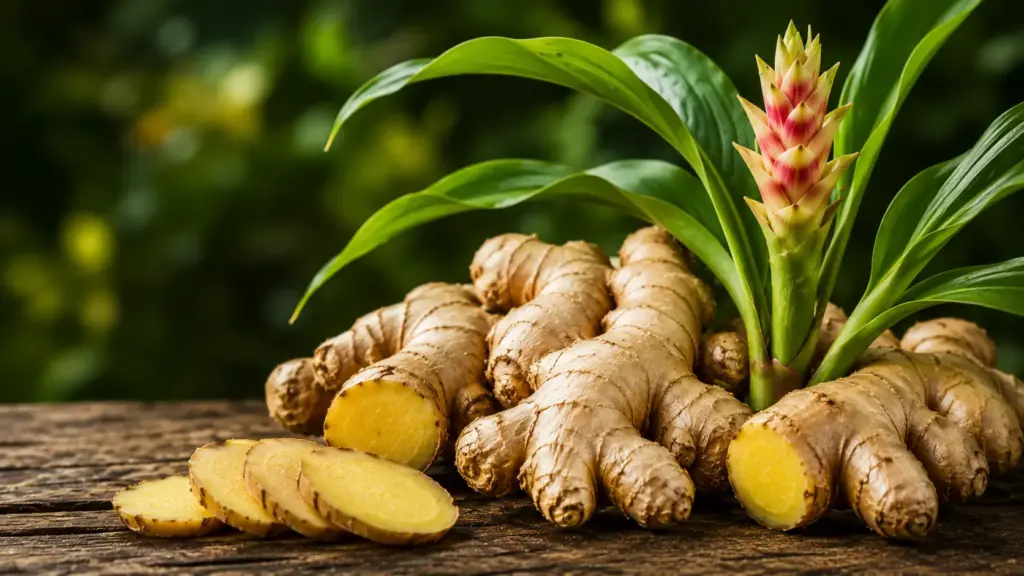
Table of Contents
Quick Summary
Zingiber officinale Roscoe, universally known as Ginger, is a flowering perennial plant in the Zingiberaceae family, whose rhizome is a cornerstone of Traditional Chinese Medicine (TCM) and Ayurvedic medicine. Indigenous to South Asia, it has been valued for millennia for its “warming” properties and ability to treat digestive and respiratory ailments. Modern scientific evidence validates its status as a multi-functional therapeutic agent possessing potent anti-emetic, hypoglycemic, hypolipidemic, and anti-inflammatory activities. These effects are primarily driven by a rich complex of bioactives, including gingerols (specifically 6-gingerol), shogaols, and diarylheptanoids. Clinically, it is celebrated for significantly reducing nausea and vomiting in pregnancy, improving insulin sensitivity in Type 2 diabetes, and alleviating chronic joint pain. Commonly utilized as standardized capsules, fresh rhizome extracts, or essential oils, it maintains an excellent safety profile. However, it is classified as Caution for those on high-dose anticoagulants or with active gallstones due to potential anti-platelet activity and bile stimulation.
Key Therapeutic Benefits
- Normalization of Glycemic Indices in Type 2 Diabetes Zingiber officinale supplementation significantly lowers HbA1c and fasting blood glucose levels by increasing insulin sensitivity. It works by translocating GLUT4 transporters to the cell surface and inhibiting carbohydrate-metabolizing enzymes like alpha-glucosidase. (Akash, 2015; Zhu, 2018; Rjabi, 2025)
- Prophylaxis and Management of Postoperative Nausea Ginger preparations, especially ginger oil, are effective natural interventions for reducing the incidence of postoperative vomiting (POV). It functions as a 5-HT3 receptor antagonist, effectively blocking the activation of the vomiting reflex in the central nervous system. (Ameri, 2024; Zhao, 2023; Toth, 2018)
- Alleviation of Exercise-Induced Muscle Pain and DOMS Daily consumption of raw or heated ginger produces moderate-to-large reductions in muscle pain following exercise-induced injury. It facilitates the maintenance of muscular power in athletes by reducing markers of systemic inflammation and oxidative stress after strenuous training. (Black, 2010; Wilson, 2015; Paudel, 2025)
- Clinical Relief of Primary Dysmenorrhea Severity Standardized ginger capsules are more effective than placebo and comparable to the drug mefenamic acid in reducing menstrual pain severity. It works by inhibiting prostaglandin synthesis in the uterus, providing a safe alternative for women seeking non-steroidal analgesic relief. (Eshaghian, 2019; Rahnama, 2012; Chen, 2016)
- Comprehensive Regulation of Human Lipid Profiles Ginger intake induces a significant reduction in total cholesterol and triglycerides while effectively elevating beneficial HDL-C levels. It acts as an anti-hyperlipidaemic agent by inhibiting hepatic HMG-CoA reductase and promoting cholesterol efflux from tissues. (Bhandari, 1998; Salih, 2023; Rjabi, 2025)
- Prevention of Non-Alcoholic Fatty Liver Disease (NAFLD) Regular supplementation reduces liver transaminase levels and improves insulin resistance in patients with both diabetes and NAFLD. It works by decreasing oxidative stress and endoplasmic reticulum stress in hepatocytes, thereby halting the accumulation of visceral fat. (Ghoreishi, 2024; Kandeil, 2019; Bekkouch, 2022)
- Symptomatic Improvement in Knee Osteoarthritis Standardized ginger extracts act as an effective add-on therapy for reducing pain and improving physical function in adults with osteoarthritis. Its anti-arthritic potential is linked to the inhibition of NF-kappaB and the reduction of inflammatory mediators in joint cartilage. (Leach, 2008; Szymczak, 2024; Paramdeep, 2013)
- Bactericidal Action Against Drug-Resistant Pathogens Bioactive gingerols exhibit potent antibacterial activity against Methicillin-resistant Staphylococcus aureus (MRSA) and Escherichia coli. It works by disrupting the bacterial cell membrane and inhibiting critical efflux pump systems, which restores the efficacy of conventional antibiotics. (Boubker, 2025; Noman, 2023; Ahmed, 2022)
- Virucidal Inhibition of Respiratory Syncytial Virus (RSV) Fresh ginger extracts dose-dependently inhibit RSV-induced plaque formation on airway epithelium by blocking viral attachment and internalization. This antiviral activity is also being explored for potential SARS-CoV-2 3CL protease inhibition through in silico docking of its secondary metabolites. (Chang, 2013; Zubair, 2021; Ameri, 2024)
- Attenuation of Systemic Inflammatory Markers Ginger supplementation is associated with significant reductions in circulating C-reactive protein (CRP) and TNF-alpha levels in diverse clinical populations. This immunomodulatory effect is mediated by the activation of the Nrf2 pathway and the suppression of pro-inflammatory cytokine release from macrophages. (Morvaridzadeh, 2020; Paudel, 2025; Ayustaningwarno, 2024)
- Neuroprotective Shielding in Alzheimer’s Disease Models Methanolic extracts inhibit acetylcholinesterase (AChE) activity and prevent the formation of toxic amyloid-beta oligomers in hippocampal tissues. It overcomes oxidative stress in the brain and stimulates BDNF levels, which improves memory and postpones progressive neural damage. (Angelopoulou, 2022; Wattanathorn, 2011; Arcusa, 2022)
- Gastroprotective Mitigation of H. pylori-Induced Gastritis Standardized extracts reduce the bacterial load and suppress the acute mucosal inflammation induced by Helicobacter pylori. It acts as a natural proton pump inhibitor, inhibiting H+/K+-ATPase and strengthening the gastric mucosal barrier against oxidative damage. (Gaus, 2009; Nanjundaiah, 2011; Haniadka, 2013)
- Targeted Cytotoxicity and Apoptosis in Breast Cancer Bioactive compounds like 6-shogaol and 1-dehydro-6-gingerdione induce caspase-dependent apoptosis and arrest the cell cycle in malignant breast cancer lines. It significantly suppresses the migration and invasion of tumor cells by downregulating angiogenic factors like VEGFR2 without harming normal cells. (Chen, 2024; Wardana, 2024; Elkady, 2012)
- Enhancement of Male Semen Quality and Fertility Ginger supplementation improves major sperm parameters, including concentration, motility, and normal morphology, by reducing oxidative damage. It works by increasing levels of testosterone and luteinizing hormone while decreasing sperm DNA fragmentation. (Banihani, 2019; Gholami-Ahangaran, 2021; Seif, 2021)
- Nephroprotective Defense Against Gentamicin Toxicity Phenolic gingerol fractions attenuate acute kidney injury by reducing malondialdehyde levels and modulating inflammatory cytokines in renal tissues. It protects the functional architecture of the kidney from oxidative/nitrosative stress induced by nephrotoxic anticancer and antibiotic drugs. (Ajith, 2007; Rodrigues, 2014; Ademiluyi, 2012)
- Cardioprotective Salvage After Myocardial Infarction Standardized ginger extracts reduce cardiac enzyme activities and improve membrane cell integrity following myocardial injury. It mitigates fibrosis and structural abnormalities in the heart by downregulating the TGF-beta/SMAD signaling pathway in diabetic models. (Amran, 2015; Ojo, 2021; Ilkhanizadeh, 2016)
- Amelioration of Ulcerative Colitis and Gut Inflammation Aqueous extracts and ginger-derived polysaccharides significantly improve colon shortening and reduce intestinal inflammation in colitis models. It works by decreasing pro-inflammatory cytokines and regulating gut microbiota diversity, enhancing the overall integrity of the intestinal barrier. (Jing, 2025; Wan, 2022; Liu, 2019)
- Prevention of Diet-Induced Obesity and Weight Gain Ginger powder supplementation leads to a significant decrease in body mass index (BMI) and serum leptin levels in individuals with obesity. It modulates adipocyte remodeling by increasing the expression of fatty-acid oxidation genes like CPT1 while suppressing lipogenesis. (Ebrahimzadeh Attari, 2018; Seo, 2021; Han, 2005)
- Clinical Prophylaxis and Relief of Migraine Pain Administration of ginger serves as a safe and effective abortive treatment for acute migraine episodes without the side effects of standard drugs. It works by inhibiting prostaglandin release and acting on serotonergic pathways to stabilize neurovascular fluctuations associated with headache. (Martins, 2020; Leoni, 2018; Mustafa, 1990)
- Antiparasitic Mortality in Toxoplasmosis and Leishmaniasis Ginger extracts and green-synthesized nanoparticles exhibit high mortality against Leishmania promastigotes and reduce the parasite burden in acute toxoplasmosis. It disrupts the pathogen’s cell membrane and induces programmed death in parasites without causing toxicity to host macrophages. (Abdullah, 2023; El-Kady, 2024; El-Kady, 2023)
- Senomorphyc Mitigation of Endothelial Inflamm-Aging Bioactive terpenoid-enriched fractions act as senomorphyc agents by reducing the pro-inflammatory secretome of aged human endothelial cells. It facilitates muscle regeneration in ageing by preventing cellular senescence in myoblasts through the upregulation of antioxidant pathways. (Matacchione, 2023; Mohd Sahardi, 2020; Matin, 2024)
- Amelioration of Allergic Asthma and Airway Edema Ginger extracts significantly reduce goblet cell hyperplasia and the infiltration of inflammatory cells in allergic airway models. It acts by suppressing Th2-mediated immune responses, which decreases the secretion of IL-4 and IL-5 and lowers total serum IgE. (Jedli, 2022; Sheikh, 2023; Khan, 2015)
- Management of Autonomic Dysfunction in Motion Sickness Gavage with ginger extract effectively relieves the symptoms of autonomic nervous system dysfunction and improves coordination after rotation stimulation. It works by reducing the release of histamine and acetylcholine in the vestibular system, thereby mitigating nausea and vertigo. (Haniadka, 2012; Zhong, 2022; Ameri, 2024)
- Radioprotective Shielding of Peripheral Blood Cells Oral administration of hydroalcoholic extract significantly reduces gamma radiation-induced mortality and bone-marrow-related deaths in animal models. It protects cellular DNA integrity by scavenging highly reactive superoxide anions and inhibiting lipid peroxidation in brain and liver tissues. (Jagetia, 2004; Baliga, 2012; Haksar, 2006)
- Bactericidal Inhibition of Periodontal Pathogens Ginger mouthwashes and extracts significantly inhibit the growth of cariogenic microorganisms like Streptococcus mutans and Porphyromonas gingivalis. It effectively reduces the plaque index and gingival bleeding in patients with periodontitis, offering a potential alternative to conventional disinfectants. (Alshibani, 2022; Bauer Faria, 2021; Hasan, 2015)
How It Works (Phytochemistry)
- 6-Gingerol → Translocation of GLUT4 and Nrf2 activation → Antidiabetic & Antioxidant
- 6-Shogaol → 5-HT3 receptor antagonism and caspase activation → Anti-emetic & Anticancer
- Zingerone → Scavenging of superoxide radical anions and SOD mimicry → Antioxidant & Radioprotective
- 10-Gingerol → Greatest anti-inflammatory potential via COX-2 inhibition → Analgesic
- alpha-Zingiberene → Major volatile sesquiterpene with apoptotic properties → Antitumoral
- Diarylheptanoids → Suppression of NO and IL-6 production from macrophages → Anti-inflammatory
- -Gingerdiol → Potent inhibition of [14C]guanidinium influx → Antispasmodic
Traditional Knowledge
- Traditional Chinese Medicine (TCM): Designated as Sheng Jiang (fresh) and Gan Jiang (dried). Fresh ginger is used to release the exterior and stop vomiting, while dried ginger is used to “warm the middle” and dispel internal cold.
- Ayurveda: Known as Shunthi (dry) or Adraka (fresh). It is considered the “universal medicine” (Maha-aushadhi) used to balance Kapha and Vata doshas, stimulate digestion (Agni), and treat arthritis.
- Tibb-Unani: Prized as a carminative and diuretic remedy for clearing hepatic and uterine obstructions.
Usage and Preparations
- Standardized Capsules: Administered at 500 mg to 3000 mg daily for diabetes and inflammation.
- Ginger Oil: Used for the prophylaxis of POV and in aromatherapy for motion sickness.
- Aqueous Infusion (Tea): Traditionally consumed for respiratory congestion and digestive stimulation.
- Topical Ointment (5-10%): Applied to the forehead for migraine relief or to incisions for wound healing.
- Standardized Extract (EXT.GR10): A 10x concentrated ethanolic extract utilized in clinical feasibility studies for pregnancy-associated nausea.
Identity and Authentication
- Botanical Name: Zingiber officinale Roscoe.
- Family: Zingiberaceae.
- Common Names: Ginger, Sheng Jiang, Gan Jiang, Adrak, Shunthi.
- Morphology: A perennial herb with narrow green leaves, white-yellow flowers, and thick, tuberous aromatic rhizomes.
- Plant Part Used: Rhizome (primary), Peel, and occasionally Leaves.
- Analytical Markers: Authenticated using HPLC-DAD and LC-MS/MS for a high content of 6-gingerol and specific volatile profiles like zingiberene.
Dosage and Safety
- Dosage: 1–3 g daily of ginger powder is common for metabolic purposes. 500–1500 mg daily is effective for pregnancy nausea. (Paudel, 2025; Paudel, 2025)
- Side Effects: Generally well-tolerated; potential for belching, mild gastrointestinal irritation, or heartburn in high doses. (Paudel, 2025; Ameri, 2024)
- Toxicity: Classified as non-toxic up to 1500 mg/kg; extracts are proven non-teratogenic and safe during organogenesis in models. (Jagetia, 2004; Weidner, 2001)
- Drug Interactions: Overconsumption may inhibit CYP3A4 and CYP2C9 activity, potentially interacting with Warfarin or Losartan; always use medical supervision when on blood thinners. (Nduka, 2013; Thomson, 2002)
- Classification: Safe (Standard doses); Caution (Avoid high medicinal doses in patients with active gallstones or upcoming major surgery due to anti-platelet activity).
FAQs
- Does ginger really help with weight loss? Yes, systematic reviews indicate that ginger can significantly decrease BMI by increasing thermogenesis and inhibiting fat absorption in the intestines.
- Is it safe to take ginger with Warfarin? Caution is advised. Some evidence suggests ginger may have anti-platelet activity that could theoretically potentiate bleeding risks. Consult a doctor.
- Can I take ginger for motion sickness? Yes, clinical and preclinical data support its use in relieving symptoms of nausea and vertigo by modulating histamine in the vestibular system.
- How long does it take for ginger to work for joint pain? Improvements in osteoarthritis symptoms and muscle soreness are typically observed after 5 to 12 weeks of consistent daily use.
- Is fresh ginger better than dried powder? They have different uses; fresh ginger is richer in gingerols and used for respiratory issues, while dried ginger contains more shogaols for “warming the middle.”
- Does ginger interact with blood pressure medications? Yes, ginger can increase the antihypertensive effect and plasma concentration of drugs like Losartan; consult a doctor for combined therapy.
- Is ginger safe for morning sickness in pregnancy? Yes, meta-analyses and clinical feasibility studies show it is effective and safe at standard doses (up to 1.5g daily) for alleviating nausea.
- Can ginger help with migraine headaches? Yes, clinical trials show it provides relief similar to standard painkillers for acute migraine attacks without significant adverse reactions.
- Which is the most active part of the ginger plant? The rhizome is the primary source of bioactive gingerols; however, ginger peel contains high polyphenolic content and anti-tumor potency.
- Does ginger support hair growth? Studies on alopecia areata suggest that ginger can improve the antioxidant/oxidant balance in hair follicles and restore normal serum zinc levels.
References
- Bhandari, U., et al. (1998). J Ethnopharmacol 61(2): 167-171. PubMed: 9683348
- Mustafa, T. and K. C. Srivastava (1990). J Ethnopharmacol 29(3): 267-273. PubMed: 2163351
- Jagetia, G., et al. (2004). Cancer Biother Radiopharm 19(4): 422-435. DOI: 10.1089/cbr.2004.19.422
- Leach, M. J. and S. Kumar (2008). Int J Evid Based Healthc 6(3): 311-320. DOI: 10.1111/j.1744-1609.2008.00108.x
- Black, C. D., et al. (2010). J Pain 11(9): 894-903. DOI: 10.1016/j.jpain.2009.12.013
- Wattanathorn, J., et al. (2011). Evid Based Complement Alternat Med 2011: 429505. DOI: 10.1155/2011/429505
- Rahnama, P., et al. (2012). BMC Complement Altern Med 12: 92. DOI: 10.1186/1472-6882-12-92
- Akash, M. S., et al. (2015). Crit Rev Eukaryot Gene Expr 25(2): 91-112. PubMed: 26039535
- Ilkhanizadeh, B., et al. (2016). Diabetes Metab J 40(1): 46-53. DOI: 10.4093/dmj.2016.40.1.46
- Toth, B., et al. (2018). Phytomedicine 50: 8-18. DOI: 10.1016/j.phymed.2018.06.010
- Ebrahimpour-Koujan, S., et al. (2018). Phytomedicine 44: 39-44. DOI: 10.1016/j.phymed.2018.03.003
- Martins, L. B., et al. (2020). Cephalalgia 40(1): 88-95. DOI: 10.1177/0333102419869319
- Salih, A. K., et al. (2023). Phytother Res 37(6): 2472-2483. DOI: 10.1002/ptr.7831
- Rjabi, S., et al. (2025). J Diet Suppl 1-32. DOI: 10.1080/19390211.2025.2458921
- Paudel, K. R., et al. (2025). Front Pharmacol 16: 1619655. DOI: 10.3389/fphar.2025.1619655
Jump to: Benefits | Phytochemistry | Dosage | FAQs