Turmeric (Curcuma longa): Evidence‑Based Benefits, Uses and Safety
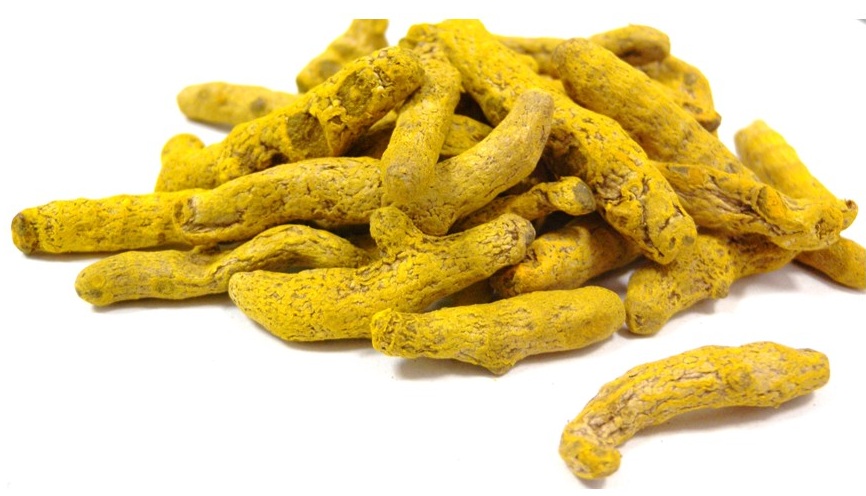
Table of Contents
Quick Summary
Curcuma longa (turmeric) is a perennial rhizome from the ginger family used for centuries in Ayurveda and other traditional systems for digestive, liver and skin complaints, joint pain, wound care and general “blood cleansing.” Modern research links its yellow curcuminoids and aromatic turmerones with antioxidant and anti‑inflammatory actions that may support healthy joints, liver function, metabolic health (blood sugar and lipids) and brain resilience to ageing and stress. Experimental and early clinical studies also explore roles in gut health, immunity and protection from treatment‑related mucosal damage, though many findings remain preliminary and depend on improved bioavailability. Common forms include fresh rhizome, culinary powder, standardized extracts and enhanced‑absorption capsules, often combined with black pepper or phospholipids. Turmeric is generally well tolerated in food amounts, but high‑dose supplements may aggravate gallbladder disease or interact with anticoagulant and antiplatelet drugs, so medical supervision is advisable.
Key Therapeutic Benefits
i. Osteoarthritis joint pain and function
Curcuma longa extracts and modified curcumin formulations reduce knee pain and improve WOMAC function scores in osteoarthritis, partly by down regulating COX 2, TNF α and cartilage degrading MMPs, and by supporting turmerosaccharide mediated chondroprotection in synovial tissues (Inprasit, 2025; Bethapudi, 2017).
ii. Broad anti inflammatory and immunomodulatory action
Polysaccharide rich and curcuminoid fractions attenuate acute paw edema, ear edema and chronic granuloma formation by suppressing myeloperoxidase, PGE2 and pro inflammatory cytokines while modulating macrophage and lymphocyte responses across multiple signalling pathways (Illuri, 2015; Balasubramaniam, 2024).
iii. Liver protection and gut–liver axis support
Turmeric and curcumin mitigate pesticide and radiation induced hepatotoxicity by lowering lipid peroxidation, normalising AST/ALT, improving antioxidant enzymes and modulating IL 6 and TNF α, and may influence hepatobiliary disease through gut microbiota and bile acid regulation along the gut–liver axis (Hossen, 2017; Gao, 2024; Nada, 2012).
iv. Metabolic health, obesity and type 2 diabetes
Standardised curcumin improves insulin signalling by inhibiting PTP1B and DPP 4, modulating digestive enzymes, enhancing glycogen synthase and reducing glycogen phosphorylase, which together lower blood glucose, HbA1c and atherogenic lipids in obese and diabetic models (Alhar, 2025; Mustafa, 2019).
v. Synergistic support for diabetic dyslipidaemia
Methanolic extracts of Curcuma longa and Zingiber officinale, especially in combination, significantly improve fasting plasma glucose, triglycerides, total cholesterol, LDL, VLDL and HDL in alloxan induced diabetic dyslipidaemic rats, suggesting complementary phytochemical actions on glucose and lipid metabolism (Hussain, 2018).
vi. Neuroprotection, learning and cognitive resilience
Curcuma longa enhances hippocampal neurogenesis and neuroblast differentiation, up regulates BDNF and phosphorylated CREB, and counteracts D galactose induced cognitive impairment, while curcumin is widely reviewed as a candidate to buffer “neuroinflammaging” through antioxidant and anti inflammatory pathways (Nam, 2014; Berry, 2021).
vii. Cholinesterase inhibition and cognitive support
A bisdemethoxycurcumin rich turmeric extract shows several fold higher inhibitory activity against acetylcholinesterase and butyrylcholinesterase than regular extracts, with kinetic and docking studies indicating competitive and uncompetitive binding modes relevant to symptomatic support in Alzheimer type conditions (Hv, 2020).
viii. Analgesic and antinociceptive activity
Ethanolic rhizome extract reduces writhing responses and formalin induced licking and prolongs tail flick and hot plate latencies in rodents via non adrenergic, non opioid mechanisms, and clinical data suggest oral curcumin may provide comparable postoperative analgesia to mefenamic acid in periodontal surgery (Ibironke, 2014; Al Askar, 2022).
ix. Wound healing and post surgical recovery
Topical Curcuma longa preparations improve REEDA wound scores, accelerate closure, reduce redness and edema, and enhance angiogenesis and granulation tissue formation in perineal and incisional wounds, supporting traditional use in skin and soft tissue healing (Mutia, 2021; Berbudi, 2021).
x. Skin photoageing and dermal matrix protection
Curcuma longa extracts inhibit gelatinase (MMP 2/9) activity, enhance basement membrane deposition at the dermal–epidermal junction and improve skin elasticity in human studies, suggesting utility as a topical anti photoageing and “cosmeceutical” ingredient (Muta, 2018).
xi. Radioprotection and oxidative DNA damage control
Curcumin supplementation before and after γ irradiation reduces urinary 8 hydroxy 2 deoxyguanosine, modulates antioxidant enzymes and diminishes radiation induced mammary and pituitary tumour formation in rodents, indicating radioprotective actions despite limited effects on high dose mortality (Inano, 2002).
xii. Protection against diverse toxic agents
A broad toxicology review reports that turmeric and curcumin mitigate toxicity from heavy metals, pesticides, drugs and other chemicals by limiting oxidative stress, stabilising cellular membranes and modulating inflammatory and apoptotic signalling, thereby protecting multiple organs (Hosseini, 2018).
xiii. Renal protection and nephrotoxicity mitigation
Combined extracts of Curcuma longa and Curcuma zedoaria reduce cisplatin induced kidney damage by lowering TNF α, KIM 1 and caspase 3 expression, improving histopathology and preserving body weight, supporting a role as adjunctive nephroprotective therapy (Intan, 2025).
xiv. Cardio metabolic vascular support
Curcuma longa and curcumin help normalise lipid profiles, improve oxidative balance and favourably influence cardiovascular risk factors in diabetic and obese animal models, with narrative reviews highlighting their potential as adjuncts in cardiometabolic disease management (Fuloria, 2022; Alhar, 2025).
xv. Antimicrobial and antibiofilm defence
Turmeric essential oils and rhizome extracts show inhibitory activity against Gram positive and Gram negative bacteria, Candida species and antibiotic resistant foodborne pathogens, disrupt biofilms, cause leakage of nucleic acids and proteins and reduce aflatoxin production, supporting applications as natural antimicrobials and food protection agents (Banerjee, 1978; Hu, 2017; Beshiru, 2024; Irshad, 2018).
xvi. Antifungal activity against Candida and other fungi
Alcoholic extracts of Curcuma longa display strong in vitro antifungal activity, completely inhibiting Candida albicans growth at defined concentrations, while protease fractions also inhibit phytopathogenic fungi, indicating multiple antifungal mechanisms beyond curcuminoids alone (Murugesh, 2019; Nagarathnam, 2010).
xvii. Anti parasitic and antiparasitic adjuvant potential
Turmeric co administered with praziquantel significantly reduces Schistosoma mansoni worm burden and hepatic granuloma size, and curcumin shows activity against other parasites, suggesting a supportive role as a plant based antiparasitic adjunct rather than standalone therapy (Hussein, 2017).
xviii. Gut mucosal protection and chemotherapy related mucositis
A mucoadhesive formulation containing Curcuma longa curcuminoids and Bidens pilosa preserves intestinal villus and crypt architecture, reduces weight loss, improves blood counts, attenuates oxidative stress and modulates Ki 67, Bcl 2 and Bax in 5 fluorouracil induced mucositis, highlighting potential benefits for gut barrier integrity (Bastos, 2016).
xix. Gastrointestinal motility and spasmolytic effects
Curcuma longa extract exerts direct myorelaxant actions on ileal and colonic smooth muscle, non competitively inhibiting carbachol induced contractions and partially restoring motility disturbances in experimental colitis, indicating spasmolytic effects independent of anti inflammatory activity (Aldini, 2012).
xx. Male reproductive and testicular protection
Curcuma longa administration attenuates thioacetamide induced testicular toxicity in rats by normalising testosterone, glutathione and oxidative stress markers and improving histology, suggesting antioxidant mediated protection of male reproductive function (Alaryani, 2024).
xxi. Haemostatic safety and interaction with antiplatelet therapy
A randomised, double blind trial in healthy volunteers shows that Curcuma longa supplementation alone or combined with aspirin does not significantly alter PT, aPTT, thrombin generation or most platelet aggregation parameters, indicating a generally favourable haemostatic safety profile at studied doses (Fung, 2017).
xxii. Anxiolytic and hypnotic like effects
Curcuma longa rhizome extracts reduce anxiety like behaviours and potentiate hexobarbitone induced sleep in mice, with pharmacological antagonism pointing to involvement of GABAergic and nitrergic systems; co administration with conventional anxiolytic hypnotic drugs can enhance sedative effects (Ishola, 2020).
xxiii. Cancer related mechanisms and adjuvant potential
Curcumin and engineered analogues from Curcuma longa influence multiple cancer relevant targets, including EGFR, mTOR, Hsp90 and various apoptotic pathways; preclinical work shows antiproliferative activity and enhanced stability via nano and phospholipid based delivery systems, while clinical reviews emphasise its role as an adjunct rather than a sole anticancer agent (Ali, 2021; Alamri, 2024; Naqvi, 2017; Fuloria, 2022).
xxiv. Respiratory and exercise related inflammation modulation
Dietary supplementation with Curcuma longa, Boswellia serrata and Verbascum thapsus in performance horses modulates serum proteome and down regulates pro inflammatory cytokine gene expression after intense exercise, suggesting benefits for managing exercise induced inflammation and supporting respiratory and musculoskeletal recovery (Beghelli, 2023).
xxv. General antioxidant capacity and DNA damage protection
Curcuma longa extracts and purified curcumin show strong radical scavenging and ferric reducing activity in vitro, protect DNA at lower concentrations and reduce systemic lipid peroxidation and oxidative stress biomarkers in multiple models, underpinning many of the organ protective effects described above (Irshad, 2018; Hossen, 2017; Nada, 2012).
How It Works (Phytochemistry)
Curcuma longa (Turmeric) Benefits Overview with respect to phyto-molecules
Curcumin → Inhibits key inflammatory pathways including NF-κB, COX-2, and pro-inflammatory cytokines (TNF-α, IL-6) while reducing oxidative stress, supporting anti-inflammatory and hepatoprotective effects.
Demethoxycurcumin → Induces apoptosis via caspase activation and inhibits proliferation in cancer cells, contributing to anticancer activity.
Bisdemethoxycurcumin → Enhances antioxidant defense by reducing reactive oxygen species (ROS) and lipid peroxidation, supporting cytoprotective and anti-aging effects.
α-Turmerone → Exhibits antimicrobial and anti-inflammatory activity through modulation of microbial growth and inflammatory mediators.
ar-Turmerone → Contributes to neuroprotective and anti-inflammatory effects by influencing neuronal signaling and oxidative pathways.
Zingiberene → Acts on vascular smooth muscle to promote vasorelaxation via calcium channel modulation, supporting cardiovascular benefits.
Curcumine / Sesquiterpenes → Exhibit antifungal and antimicrobial activity, contributing to infection control.
Traditional Knowledge
Ayurveda:
Curcuma longa (Haridra) has been traditionally used as an anti-inflammatory and detoxifying agent, indicated in conditions such as jaundice, metabolic disorders, and skin diseases. It is also used to support digestion and blood purification.
Chinese Medicine:
Known as “Jiang Huang”, turmeric is used to improve circulation, relieve pain, and manage menstrual disorders, particularly conditions associated with blood stagnation.
Unani Medicine:
Referred to as “Curcum”, it is used for its resolvent and anti-inflammatory properties, particularly in hepatic and gastrointestinal conditions.
Global Traditional Use:
Turmeric has been widely used across Asia and other regions for inflammation, digestive disorders (flatulence, colic), jaundice, and menstrual difficulties. It is also applied topically as a poultice to relieve pain and inflammation.
Usage and Preparations
Curcuma longa is primarily used in the form of its dried rhizome powder, which is widely consumed as a culinary spice and medicinal agent. The rhizome is typically boiled, cleaned, and dried, then processed into a fine yellow powder used for both dietary and therapeutic purposes. (Altern Med Rev, 2001).
Traditional applications include topical paste or poultice preparations, where turmeric is applied externally to reduce pain and inflammation, supporting its role in wound care and inflammatory conditions. (Altern Med Rev, 2001).
In experimental and pharmacological studies, methanolic and ethanolic extracts of turmeric rhizomes are commonly used to isolate bioactive compounds such as curcumin and volatile oils. These extracts are utilized in studies evaluating anticancer, antimicrobial, antioxidant, and hepatoprotective effects. (Abdel-Lateef, 2016; Abdel-Shafy, 2019).
Additionally, turmeric is used as a dietary supplement or feed additive in animal studies, demonstrating effects on growth performance, immunity, and metabolic parameters, indicating its systemic biological activity. (Abou-Elkhair, 2014).
Identity and Authentication
Botanical Name: Curcuma longa L.
Family: Zingiberaceae
Common Names: Turmeric, Indian saffron, Haldi
Morphology:
Curcuma longa is a perennial herb growing up to 3–5 feet in height with oblong, pointed leaves and yellow flowers. The medicinally important part is the rhizome, which is externally brownish and internally bright yellow to orange. The rhizome is typically boiled, dried, and powdered to obtain turmeric. (Altern Med Rev, 2001).
Plant Part Used:
Rhizome (primary source of bioactive compounds including curcuminoids and volatile oils).
Pharmacognostic Identification
Microscopic evaluation shows the rhizome with a well-developed periderm (6–7 layers) followed by a parenchymatous cortex with intercellular spaces. These structural features help in distinguishing genuine turmeric from adulterants. (Abbas, 2022).
Analytical Authentication
Authentication is based on chromatographic and spectroscopic profiling
HPLC: Identification and quantification of curcumin and related curcuminoids.
GC-MS: Detection of volatile constituents such as turmerones and sesquiterpenes.
These techniques confirm chemical composition and ensure quality consistency of turmeric extracts. (Abdel-Lateef, 2016; Abualhasan, 2023)
Dosage and Safety
Dosage
Specific human therapeutic dosing is not explicitly defined in the provided source. However, turmeric is widely consumed as a culinary spice (powdered rhizome), indicating regular dietary exposure with long-standing traditional use. In experimental settings, doses vary depending on extract type and study design, and therefore cannot be directly translated to clinical dosing. (Altern Med Rev, 2001).
Safety Classification: Generally Safe (with precautions)
Turmeric has a long history of dietary use and is generally considered safe under normal consumption levels. Experimental studies demonstrate no significant toxicity or adverse histopathological changes in animal models when used appropriately. (Abdel-Shafy, 2019).
Side Effects
No major adverse effects are reported in the provided data. However, as with many bioactive plant extracts, high concentrations or prolonged exposure may require caution, especially outside traditional dietary use.
Special Precautions
• Dose-dependent toxicity observed in embryonic models, indicating potential risk at higher concentrations or sensitive conditions.
(Alafiatayo, 2019).
• Variability in phytochemical composition may influence safety and efficacy across preparations.
FAQs
1. What are the main active compounds in turmeric?
Turmeric contains curcuminoids (curcumin, demethoxycurcumin, bisdemethoxycurcumin) and volatile oils such as turmerones, which contribute to its pharmacological activity.
2. How does turmeric exert anti-inflammatory effects?
It modulates inflammatory mediators such as TNF-α and cytokines, reducing inflammation through multiple biochemical pathways.
3. Does turmeric have antioxidant properties?
Yes, turmeric enhances endogenous antioxidant enzymes like SOD and glutathione, reducing oxidative stress and lipid peroxidation.
4. Can turmeric help in liver disorders?
Studies show hepatoprotective effects by restoring liver enzymes and reducing oxidative damage in toxin-induced injury models.
5. Is turmeric effective in diabetes management?
Turmeric supplementation has been shown to reduce blood glucose and advanced glycation end products, supporting its role as an adjunct therapy.
6. Does turmeric have anticancer potential?
Curcumin exhibits cytotoxic and antiproliferative effects against cancer cells and induces apoptosis in vitro.
7. Can turmeric improve immune function?
It may enhance immune responses by modulating lymphocyte activity and immune markers under stress conditions.
8. Is turmeric effective against microbial infections?
Yes, turmeric shows antibacterial activity against pathogens like S. aureus and E. coli, though potency varies with formulation.
9. Does turmeric support cardiovascular health?
Turmeric demonstrates vasorelaxant and hypotensive effects, possibly through calcium channel modulation.
10. Can turmeric protect kidney function?
It may reduce nephrotoxicity by improving antioxidant status and renal biomarkers in experimental models.
11. Does turmeric aid in wound healing?
Topical turmeric preparations have been shown to accelerate wound closure and tissue repair in preclinical studies.
12. What forms of turmeric are commonly used?
Turmeric is commonly used as powdered rhizome, extracts (methanolic/ethanolic), and topical preparations.
13. Is turmeric safe for regular consumption?
It is generally considered safe as a dietary component, with long-standing traditional use and minimal toxicity in studies.
14. Are there any safety concerns with turmeric?
High doses may pose risks, including dose-dependent toxicity in sensitive models such as embryos, indicating caution at elevated exposure.
15. Does turmeric interact with medications?
Turmeric may alter drug pharmacokinetics, potentially enhancing or modifying drug effects, requiring monitoring when used with medications.
References
• Bethapudi, B., et al., 2017, Pharmacogn Mag. DOI: 10.4103/pm.pm_465_16.
• Chandran, B., et al., 2013, Inflammopharmacology. DOI: 10.1007/s10787-012-0163-3.
• Wang, Y., et al., 2020, Ann Intern Med. DOI: 10.7326/M20-0990.
• Goyal, N., et al., 2005, J Indian Rheumatol Assoc.
• Simental-Mendía, M., et al., 2025, J Rheum Dis. DOI: 10.4078/jrd.2024.0062.
• Inprasit, C., et al., 2026, Complement Ther Med. DOI: 10.1016/j.ctim.2025.103256.
• Hossen, M.S., et al., 2017, Pharm Biol. DOI: 10.1080/13880209.2017.1371729.
• Nada, A.S., et al., 2012, Can J Physiol Pharmacol. DOI: 10.1139/y2012-003.
• Hosseini, A., et al., 2018, Biomed Pharmacother. DOI: 10.1016/j.biopha.2018.01.055.
• Gao, T., et al., 2024, Am J Chin Med. DOI: 10.1142/S0192415X24500253.
• Mustafa, S.B., et al., 2019, Dose Response. DOI: 10.1177/1559325819852503.
• Alhar, M.S.O., et al., 2025, J Diabetes Res. DOI: 10.1155/2025/8050374.
• Hussain, N., et al., 2018, Pak J Pharm Sci.
• Nam, S.M., et al., 2014, J Med Food. DOI: 10.1089/jmf.2013.2978.
• Berry, A., et al., 2021, Nutrients. DOI: 10.3390/nu13051408.
• Hv, S., et al., 2020, SAGE Open Med. DOI: 10.1177/2050312120973499.
• Bastos, C.C.C., et al., 2016, Toxicol Rep. DOI: 10.1016/j.toxrep.2015.10.013.
• Silva-Mendes, M., et al., 2023, Support Care Cancer. DOI: 10.1007/s00520-023-07971-5.
• Sadeghirad, B., et al., 2021, Support Care Cancer. DOI: 10.1007/s00520-020-05796-7.
Jump to: Benefits | Phytochemistry | Dosage | FAQs