Kapikachhu (Mucuna pruriens): Men Wellness & 20+ Scientific Health Benefits
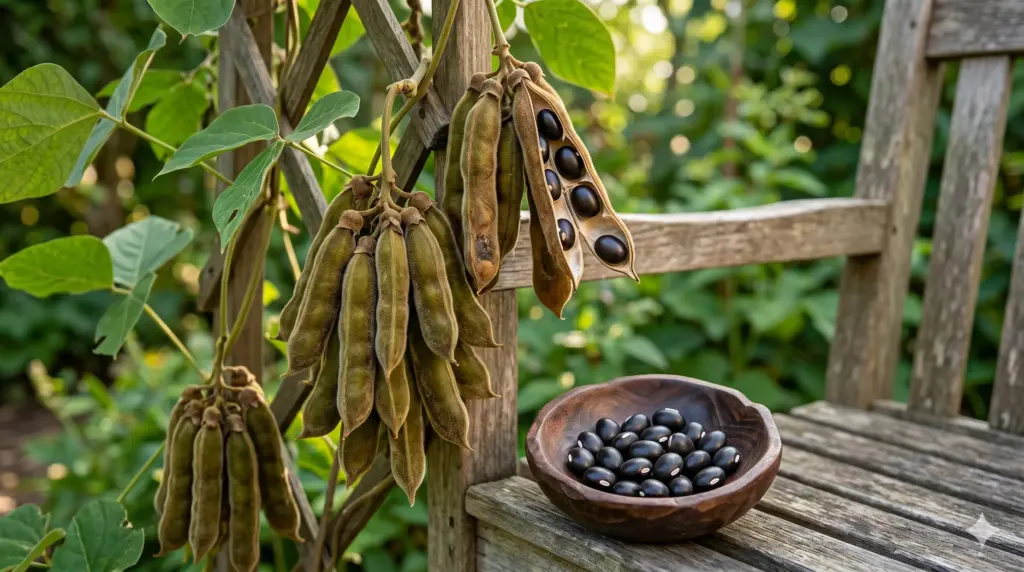
Table of Contents
Quick Summary
Kapikacchu (Mucuna pruriens), popularly known as Velvet Bean, Kapikacchu, or Kawaanch, is a tropical leguminous plant of the Fabaceae family. It is globally recognized as the primary natural source of L-dopa (levodopa), the gold standard for managing Parkinson’s disease. In Ayurvedic medicine, Mucuna pruriens is a premier “Vajikarana” (aphrodisiac) herb used for male infertility, nervous disorders, and dyspepsia. Modern pharmacology validates its neuroprotective, hypoglycemic, and antivenom properties, primarily driven by its unique profile of alkaloids, steroidal saponins, and the neurotransmitter precursor L-dopa. It is commonly prepared as a seed powder, concentrated extract, or aqueous infusion. While highly effective, Mucuna pruriens must be used with caution; raw seeds contain antinutrients that require proper processing (soaking or boiling), and high-dose administration should be supervised to avoid dopaminergic side effects.
Key Therapeutic Benefits
- Kapikacchu (Mucuna pruriens) Clinical Management of Parkinson’s Disease As a potent natural source of L-dopa, Mucuna pruriens significantly improves motor symptoms and extends the “ON” state in patients with Parkinson’s. Clinical trials indicate it provides a faster onset of action and longer-lasting relief than synthetic levodopa without increasing dyskinesia. It works by restoring dopamine levels in the brain, thereby alleviating tremors and rigidity. (Boonmongkol, 2025; Sakata, 2024; Cilia, 2017).
- Improvement of Male Fertility and Sperm Quality by Mucuna pruriens Treatment with Mucuna pruriens significantly elevates sperm concentration, motility, and morphology in infertile men. It rectifies the perturbed metabolic profile of seminal plasma by recovering levels of antioxidant vitamins (A, C, and E) and essential minerals. This “restorative” effect is linked to its ability to balance the hypothalamus-pituitary-gonadal axis and reduce oxidative stress. (Ahmad, 2008; Shukla, 2009; Gupta, 2011).
- Mucuna pruriens Enhancement of Libido and Sexual Performance In both rodent models and human observational studies, Mucuna pruriens serves as a potent aphrodisiac by increasing mounting frequency and decreasing latency. It stimulates the release of nitric oxide and maintains intracellular cGMP levels, which are critical for sustaining erections. The presence of L-dopa further enhances sexual drive through central dopaminergic pathways. (Dhanasekaran, 2025; Suresh, 2009; DOI: 10.1016/j.jep.2022.115219; Tangsrisakda, 2022).
- Prophylactic Protection Against Snake Venom by Mucuna pruriens Aqueous extracts of Mucuna pruriens seeds are used traditionally as a prophylactic against cobra and viper bites. Research shows that it contains a multiform glycoprotein (gpMuc) that generates antibodies which neutralize venom toxins. It significantly inhibits the lethal, myotoxic, and procoagulant activities of Echis carinatus and Naja sputatrix venoms. (Aguiyi, 2001; Tan, 2009; Guerranti, 2004).
- Mucuna pruriens Clinical Improvement in Glycemic Control Mucuna pruriens exhibits significant hypoglycemic activity in both normal and diabetic subjects. It contains unique oligocyclitols (like D-chiro-inositol) that mimic insulin action and inhibit the alpha-glucosidase enzyme, slowing down the absorption of carbohydrates. This helps lower fasting blood sugar and protects against the metabolic complications of diabetes. (Akhtar, 1990; Nunez-Aragon, 2019; Bhaskar, 2008).
- Regulation of Blood Pressure and ACE Inhibition with Mucuna pruriens Standardized extracts of Mucuna pruriens possess significant antihypertensive potential by acting as a natural ACE inhibitor. It contains bioactives that prevent the conversion of angiotensin I to the potent vasoconstrictor angiotensin II. This action relaxes blood vessels and effectively reduces mean arterial pressure in hypertensive models. (Chaudhary, 2015; Rizkaprilisa, 2020; Khan, 2017).
- Neuroprotective Shielding Against Dopaminergic Neuron Loss Mucuna pruriens protects brain cells from damage induced by neurotoxins like paraquat and MPTP. It suppresses neuroinflammation by inhibiting microglia activation and reducing the production of reactive oxygen species (ROS). It helps restore the levels of endogenous antioxidants and protects the structural integrity of neurons in the substantia nigra. (Adi, 2018; Rai, 2017; Yadav, 2013).
- Mucuna pruriens Hepatoprotective Support for Liver Health The hydroethanolic extract of Mucuna pruriens leaves shields the liver from damage caused by alcohol, antitubercular drugs, and heavy metals like arsenic. It restores healthy levels of liver enzymes (ALT, AST) and prevents lipid peroxidation in hepatocytes. By maintaining glutathione levels, it ensures the liver’s capacity for detoxification remains intact. (Agbafor, 2011; Rege, 1993; Obogwu, 2014).
- Nephroprotective Renal Defense by Mucuna pruriens Mucuna pruriens protects the kidneys against acute kidney injury induced by toxins like acetaminophen. It upregulates the expression of the SIRT1 protein, which helps regulate oxidative stress and inflammatory responses in renal tissues. Supplementation reduces serum creatinine and BUN levels, preventing histological damage to the nephrons. (Al Housseini, 2025; Ulu, 2018; Concessao, 2020).
- Mucuna pruriens Advanced Antioxidant and Radical Scavenging Various parts of the Mucuna pruriens plant are rich in phenolic compounds and flavonoids that demonstrate high DPPH and ABTS radical scavenging activity. It directly neutralizes harmful free radicals and chelates iron, preventing internal “rusting” and DNA damage. This antioxidant profile supports the overall health of the heart and brain. (Anosike, 2019; Tripathi, 2002; Dhanasekaran, 2008).
- Anti-inflammatory and Cytokine Modulation of Mucuna pruriens Mucuna pruriens extracts significantly inhibit the release of pro-inflammatory cytokines such as TNF-alpha and IL-6. It works by blocking the NF-kappaB and MAPK signaling pathways in stimulated macrophages and microglial cells. This anti-inflammatory action is effective in managing chronic conditions where inflammation leads to tissue degeneration. (Han, 2022; Rachsee, 2021; Martinez Leo, 2018).
- Antidepressant and Mood Elevation by Mucuna pruriens The seeds of Mucuna pruriens produce an antidepressant-like effect by interacting with the body’s dopaminergic system. It significantly reduces immobility time in behavior tests and reverses symptoms of anhedonia in chronic stress models. This natural mood elevation is comparable to standard antidepressant drugs but with fewer reported side effects. (Mata-Bermudez, 2024; Rana, 2014; Tavares, 2020).
- Mucuna pruriens Anxiolytic and Stress Reduction Mucuna pruriens acts as a natural adaptogen that ameliorates anxiety induced by sleep deprivation or chemical stressors. It suppresses elevated corticosterone (stress hormone) levels and protects neurons in the hypothalamus. This helps the body maintain homeostatic balance and prevents behavioral abnormalities during periods of high physical or emotional strain. (Bajaj, 2022; Tavares, 2020; Suresh, 2009).
- Anti-obesity and Weight Management effects of Mucuna pruriens Supplementation with Mucuna pruriens extract reduces caloric intake, body weight, and fat mass in subjects on a high-fat diet. It exerts a satietogenic effect and promotes fat metabolism, leading to a significant decrease in visceral fat and abdominal circumference. This makes it a potential functional food for managing metabolic syndrome. (Bhandari, 2022; Tavares, 2021; Ibraheem, 2025).
- Mucuna pruriens Enhancement of Memory and Learning Daily administration of Mucuna pruriens seed extract provides a significant nootropic effect, improving information acquisition and memory retention. It protects brain cells from glutamate-induced excitotoxicity and modulates cholinergic pathways. This enhancement is particularly beneficial for age-related cognitive decline and as a protective measure following cerebral injuries. (Gupta, 2013; Nayak, 2017; Concessao, 2020).
- Acceleration of Dermal Wound Healing with Mucuna pruriens Topical application of Mucuna pruriens hydrogels promotes rapid wound contraction and the restoration of collagen fiber density. It increases the tensile strength of newly formed skin and ensures a lesser number of days for complete epithelization. This makes it an effective herbal alternative for managing surgical incisions and chronic skin wounds. (Ahmed, 2024; Toppo, 2016; Singh, 2021).
- Mucuna pruriens Management of Sickle Cell Disease The methanol extract of Mucuna pruriens leaves and seeds exhibits potent anti-sickling properties. It increases the solubility of sickle hemoglobin and stabilizes the membranes of erythrocytes, preventing them from deforming under low oxygen conditions. This provides a natural avenue for managing the symptoms and complications of sickle cell anemia. (Anosike, 2019; Ikechukwu, 2020; Dhanasekaran, 2008).
- Anticonvulsant and Seizure Control by Mucuna pruriens Mucuna pruriens demonstrates significant antiepileptic activity by stabilizing the electrical firing of brain cells. It prolongs the latency to the first seizure and reduces overall mortality in models of chemically induced convulsions. This action is traceable to its interaction with GABAergic pathways and its ability to inhibit neuroinflammation. (Champatisingh, 2011; Osuntokun, 2022; Rai, 2017).
- Mucuna pruriens Antineoplastic Effects Against Cancer Extracts of Mucuna pruriens inhibit the proliferation of various cancer cell lines, including breast, liver, and colorectal adenocarcinoma. It induces apoptosis by activating caspases and upregulating the p53 tumor suppressor gene. It also chemo-sensitizes cancer cells, potentially increasing the efficacy of standard chemotherapy agents. (Kumar, 2016; Seetharamaiah, 2024; Farooqi, 2025).
- Mucuna pruriens Anti-thrombotic and Platelet Inhibition Protein hydrolysates from Mucuna pruriens act as natural antithrombotic agents. They inhibit human platelet aggregation induced by ADP or collagen and reduce the solubility of cholesterol micelles. This dual action helps prevent the formation of dangerous blood clots and manages vascular health in patients at risk of stroke or heart attack. (Herrera Chale, 2016; Panikkar, 1987; Guerranti, 2001).
- Reversible Male Contraceptive Potential of Mucuna pruriens While low doses enhance fertility, extremely high doses of Mucuna pruriens stem extract can cause a significant and reversible reduction in sperm count. It interferes with the final stages of spermatogenesis without causing permanent damage to reproductive organs. Fertility typically returns to normal once the high-dose supplementation is stopped. (Gupta, 2003; Saxena, 2015; Ashidi, 2019).
- Skin Protection Against Oxidative Damage by Mucuna pruriens Mucuna pruriens leaf extracts protect human keratinocytes (skin cells) from damage caused by oxidative stress. It counteracts the overexpression of stress-response proteins and prevents the formation of harmful protein adducts. This mechanism suggests that Mucuna pruriens might be helpful in preventing skin diseases related to aging and environmental toxins. (Cortelazzo, 2014; Lang-Illievich, 2024; Iamsaard, 2020).
- Mucuna pruriens Environmental Detoxification and Remediation Biomass and modified biochar derived from Mucuna pruriens serve as efficient adsorbents for removing toxic heavy metals and pharmaceutical pollutants from water. It demonstrates excellent capacity for extracting Uranium, Lead, and diclofenac sodium from aqueous solutions. This eco-friendly application highlights the plant’s unique role in sustainable environmental sanitation. (Abadian, 2023; Vyas, 2019; Sahu, 2018).
- Neuroprotective Potential in Huntington’s Disease by Mucuna pruriens Bioinformatics and in-silico models suggest that the bioactive molecules in Mucuna pruriens target hubs like AKT1 and MAPK involved in Huntington’s pathogenesis. It exhibits antioxidative and dopamine-enhancing effects that may stabilize complex ligand-protein interactions. This makes it a promising plant-based candidate for further Huntington’s research. (Bhosle, 2025; Wadher, 2025; Jain, 2020).
- Support for Pulmonary Hypertension by Mucuna pruriens Bioactives Bioactive compounds such as gallic acid and beta-sitosterol from Mucuna pruriens seeds interact with proteins of the Wnt/beta-catenin pathway. These interactions suggest a potential therapeutic value in managing pulmonary vascular disease. Computational studies show high stability in these docked complexes, supporting its use as a target for future in vivo validation. (Bhosle, 2024; Soumyanath, 2018; Chittasupho, 2022).
How It Works (Phytochemistry)
- L-dopa (Levodopa) → Crosses the blood-brain barrier and converts to dopamine → Parkinson’s Relief & Libido
- Protodioscin → Converts to DHEA/DHT and increases Nitric Oxide → Libido & Erectile Support
- Arabinogalactan (G1-4A) → Directly activates Natural Killer (NK) cells and macrophages → Immune Stimulation
- Genistein → Inhibits Angiotensin-Converting Enzyme (ACE) → Antihypertensive Activity
- Ursolic Acid → Regulates NF-kappaB and reduces neuroinflammation → Brain & Joint Protection
- D-chiro-inositol → Mimics insulin action and improves glucose transport → Antidiabetic Effect
- Mucunain → Cysteine protease found in trichomes → Environmental Defense (and causes itching)
Traditional Knowledge
- Ayurveda: Known as Kapikacchu, it is a vital “Vajikarana” (aphrodisiac) used for treating Shukra-dosha (sexual disorders). It is also a core remedy for Kampavata, the ancient name for symptoms mirroring Parkinson’s disease.
- African Folk Medicine: Traditionally used as a prophylactic against snakebites and to treat intestinal worms and depressive neurosis.
- Thai Folk Medicine: Seeds are used to treat dysuria (painful urination) and as a restorative to enhance male vitality and “strength of the senses.”
- Indian Tribal Medicine: Utilized for centuries by tribal communities as a protein-rich pulse (after careful processing) and as a nerve tonic.
Usage and Preparations
- Seed Churna (Powder): Typically taken at 3 to 6 grams daily for fertility, Parkinson’s, and vitality.
- Aqueous Seed Extract: Prepared by boiling seeds to reduce L-dopa content for nutritional use or concentrated for antivenom properties.
- Roasted Seed Flour: Used as a low-cost protein supplement in livestock and as a safer dietary source of L-dopa.
- Topical Hydrogel: Formulated from seed or leaf extracts to accelerate wound healing and treat skin infections.
- Vegetal Milk: Produced from whole or dehulled seeds as a hypolipidemic functional food.
Identity and Authentication
- Botanical Name: Mucuna pruriens (L.) DC.
- Family: Fabaceae (Leguminosae)
- Common Names: Velvet Bean, Cowitch, Kapikacchu, Giloy (rarely), Bai Jili (occasionally).
- Morphology: A climbing annual or perennial vine with purple flowers and pods covered in stinging orange/brown hair (trichomes).
- Plant Part Used: Seeds (primary), Roots, and Leaves.
- Analytical Markers: Authenticated via HPTLC and HPLC for L-dopa (typically 3–6%) and specific isoquinoline alkaloids.
Dosage and Safety
- Dosage: Effective clinical doses for Parkinson’s range from 15g to 30g of seed powder daily. Standard extract capsules are used at 250mg to 1000mg.
- Side Effects: Generally well-tolerated; however, high doses may cause nausea, dizziness, or transient gastrointestinal upset.
- Toxicity: NOAEL is established at 750 mg/kg/day in rats. Raw seeds contain HCN, trypsin inhibitors, and tannins, which can be toxic to ruminants if not processed.
- Drug Interactions: May synergize with diabetes meds and antihypertensives, requiring dose monitoring. Do not use with MAO inhibitors as it may cause dangerous blood pressure spikes.
- Classification: Safe (after heat processing and at standard doses); Caution (during pregnancy and for patients with severe cardiovascular disease).
FAQs
- Is Mucuna pruriens safer than synthetic levodopa for Parkinson’s? Yes, research shows it provides similar motor benefits with a lower risk of dyskinesias and fewer long-term complications, likely due to other protective bioactives in the plant.
- Can I eat velvet beans raw? No. Raw seeds contain high levels of antinutrients and potentially toxic compounds like HCN. They must be soaked, boiled, or roasted to be safe for consumption.
- Does Mucuna pruriens really boost testosterone? Yes, clinical studies in infertile men show it significantly improves testosterone and LH levels while reducing cortisol (stress hormone).
- Will it make my skin itchy? The pods have stinging hairs (trichomes) that cause intense pruritus (itching). However, the seeds and processed extracts are safe and do not cause itching.
- How long does it take to see results for fertility? Most clinical studies report significant improvements in sperm count and quality after 3 months of consistent daily use.
- Can women take Mucuna pruriens? Yes, it is used for improving libido and has shown phytoestrogenic effects in animal models, though it is primarily studied for male fertility.
- Does it interact with medications? Yes. Because it affects dopamine and blood sugar, you should consult a doctor if you are on antidepressants, blood pressure meds, or diabetes treatments.
References
- Akhtar, M. S., et al., 1990, J Pak Med Assoc, 40(7), 147-150.
- Aguiyi, J. C., et al., 2001, Phytother Res, 15(8), 712-714.
- Guerranti, R., et al., 2001, J Ethnopharmacol, 75(2-3), 175-180.
- Tripathi, Y. B., et al., 2002, Phytother Res, 16(6), 534-538.
- Katzenschlager, R., et al., 2004, J Neurol Neurosurg Psychiatry, 75(12), 1672-1677. DOI: 10.1136/jnnp.2003.031500
- Manyam, B. V., et al., 2004, Phytother Res, 18(9), 706-712.
- Tan, N. H., et al., 2009, J Ethnopharmacol, 123(2), 356-358.
- Shukla, K. K., et al., 2009, Fertil Steril, 92(6), 1934-1940.
- Lieu, C. A., et al., 2010, Parkinsonism Relat Disord, 16(7), 458-465.
- Gupta, A., et al., 2011, J Pharm Biomed Anal, 55(5), 1060-1066.
- Yadav, S. K., et al., 2013, Neurochem Int, 62(8), 1039-1047.
- Rana, D. G., et al., 2014, Ayu, 35(1), 90-97. DOI: 10.4103/0974-8520.141949
- Chaudhary, S. K., et al., 2015, Pharm Biol, 53(11), 1614-1620.
- Herrera Chale, F., et al., 2016, Food Funct, 7(1), 434-444.
- Cilia, R., et al., 2017, Neurology, 89(5), 432-438. PubMed: 28679598
- Rai, S. N., et al., 2017, Front Aging Neurosci, 9, 421. DOI: 10.3389/fnagi.2017.00421
- Soumyanath, A., et al., 2018, J Altern Complement Med, 24(2), 182-186.
- Anosike, C. A., et al., 2019, J Tradit Complement Med, 9(4), 278-284.
- Concessao, P., et al., 2020, Vet World, 13(8), 1555-1566.
- Tavares, R. L., et al., 2021, Food Funct, 12(14), 6479-6489.
- Osuntokun, O. S., et al., 2022, J Chem Neuroanat, 123, 102115.
- Boonmongkol, T., et al., 2025, J Neural Transm (Vienna), 132(11), 1673-1683. DOI: 10.1007/s00702-024-02831-y
Jump to: Benefits | Phytochemistry | Dosage | FAQs