Garlic Benefits (Allium sativum): Heart, Immunity, Diabetes & More – Scientific Review
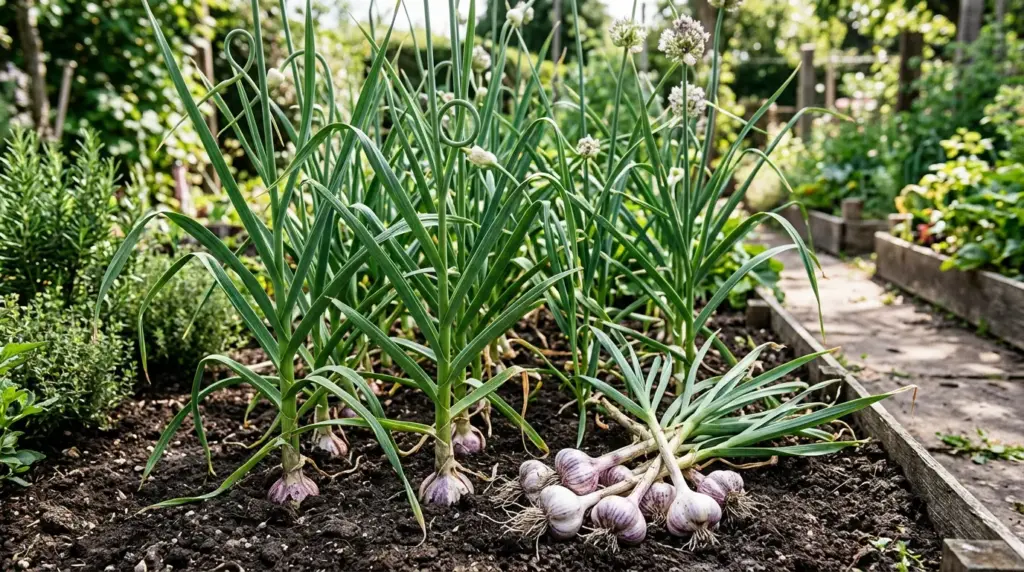
Table of Contents
Quick Summary
Allium sativum L., universally known as Garlic, is a bulbous perennial herb in the Amaryllidaceae (formerly Alliaceae) family, native to Central Asia. Revered for over 5,000 years across Ayurvedic, Chinese, and Unani traditions, it is celebrated as the “Village Pharmacy” for its expansive therapeutic range. Modern scientific evidence validates its role as a multi-functional agent possessing potent cardioprotective, antihyperglycemic, anticancer, and broad-spectrum antimicrobial activities. These properties are driven by a rich reservoir of over 200 bioactives, primarily organosulfur compounds like allicin, alliin, ajoene, and S-allyl cysteine (SAC). It is clinically noted for its ability to lower blood pressure, regulate cholesterol, and protect against neurodegenerative decline. While generally recognized as Safe for human consumption, a critical safety note indicates it can cause Heinz body hemolytic anemia in dogs and should be avoided in medicinal doses during pregnancy due to potential anti-implantation effects.
Key Therapeutic Benefits
- Normalization of Postprandial Glycemia via Enzyme Inhibition Allium sativum phenolic extracts significantly reduce blood sugar spikes by inhibiting alpha-amylase and alpha-glucosidase, the enzymes responsible for carbohydrate digestion. This action slows the absorption of glucose in the small intestine, providing a crucial mechanism for managing postprandial hyperglycemia. Bioactive morellinol and phentolamine have been identified as high-affinity binders to these enzymatic sites. (Adelusi, 2023; Sadeghi, 2021; Jini, 2022)
- Antihypertensive Modulation via NO and H2S Signaling Garlic supplementation induces a significant reduction in blood pressure by about 10 mmHg systolic and 8 mmHg diastolic, comparable to standard pharmaceutical agents. It works by stimulating the production of nitric oxide (NO) and hydrogen sulfide (H2S), which facilitate vascular smooth muscle relaxation. This effect is particularly potent in patients with uncontrolled hypertension. (Al-Qattan, 1999; Ried, 2014; Malik, 1981)
- Neuroprotective Reduction of Amyloid Burden in Alzheimer’s Aged garlic extract (AGE) protects the brain from neurodegeneration by reducing the accumulation of amyloid-beta (Abeta) and p-tau proteins. It restores hippocampal antioxidant systems and suppresses pro-inflammatory cytokines that otherwise impair memory and cognition. High-dose administration has been found effective in reversing memory impairment in neurodegenerative models. (Chauhan, 2003; Saini, 2021; Hazzaa, 2020)
- Clinical Regulation of Triglycerides and LDL Cholesterol Supplementation with garlic powder or tablets significantly improves the systemic atherogenic index by reducing total cholesterol, VLDL, and triglycerides. It facilitates the clearance of low-density lipoprotein (LDL) while elevating beneficial HDL-C levels. These improvements are dose-dependent and most effective when used consistently over 12 to 24 weeks. (Ashraf, 2011; Zadhoush, 2021; Lata, 1991)
- Molecular Inhibition of SARS-CoV-2 Main Protease (Mpro) Bioactive organosulfur compounds like allyl disulfide and quercetin serve as potential inhibitors against the SARS-CoV-2 Mpro and PLpro proteases. They prevent the virus from binding to the host ACE2 receptor, effectively blocking viral entry and replication. In silico models suggest these compounds form strong hydrogen bonds in the active site regions of the virus. (Atoum, 2022; Yeh, 2021; Khubber, 2020)
- Acceleration of Dermal Wound Contraction and Healing Topical application of thiosulfinate-enriched garlic extract significantly increases the rate of wound contraction and decreases the period of epithelization. It upregulates the expression of TGF-beta1, hydroxyproline, and VEGF, which are essential for myofibroblast transformation and collagen deposition. Furthermore, it stimulates keratinocyte proliferation to restore the epidermal barrier function. (Ahmed, 2024; Santiago, 2020; Khan, 2024)
- Gastroprotective Inhibition of the Gastric Proton Pump Allium sativum extracts provide robust protection against gastric ulcers by inhibiting the activity of H+-K+-ATPase (the proton pump). It acts as a cytoprotective shield for the stomach lining by increasing the secretion of gastric mucin and the life span of mucosal cells. This mechanism makes it as effective as some standard pharmaceutical proton pump inhibitors in preventing stress-induced lesions. (Agrawala, 1968; Singh, 2015; Bandyopadhyay, 2002)
- Induction of Apoptosis in Acute Myeloid Leukemia (AML) Ethyl acetate extracts of garlic trigger intrinsic apoptosis in AML blasts by inducing mitochondrial dysfunction and caspase-3/7 activation. It selectively targets malignant cells and may exert inhibitory activity on leukemia stem cell populations. This cytotoxic potential is linked to its rich reservoir of vinyldithiins and other lipid-soluble sulfur compounds. (Abdelkarim, 2025; Malik, 2004; Arjmand, 2020)
- Anti-thrombotic Inhibition of Platelet Aggregation Aqueous extracts of fresh garlic inhibit platelet aggregation non-competitively and irreversibly by blocking the cyclooxygenase (COX) pathway. This reduces the production of prostanoids like thromboxane B2, preventing the formation of dangerous blood clots. Platelets are significantly more sensitive to raw garlic extracts compared to enzymes from blood vessels or lungs. (Ali, 1995; Mohammad, 1986; Peng, 1996)
- Restoration of Striatal Dopamine for Parkinsonism Support Garlic bioactive compounds, particularly alliin, bind to alpha-synuclein to prevent its cytotoxic aggregation and fiber formation. It restores depleted dopamine levels in the brain’s striatum and reduces neuroinflammation in the temporal cortex. This molecular stabilization helps improve motor coordination and protects neurons from excitotoxicity-induced damage. (Karthikkeyan, 2022; Zheng, 2014; Bi, 2015)
- Nephroprotective Defense in Diabetic Nephropathy Treatment with aqueous garlic extract attenuates the progression of diabetic nephropathy by downregulating the expression of VEGF and ERK-1 in renal tissues. it prevents mesangial expansion, glomerular basement membrane thickening, and protein leakage in the urine. By increasing SIRT1/2 gene expression, garlic helps maintain renal architecture and reduces oxidative stress in the kidneys. (Al-Qattan, 2013; Shiju, 2013; Boruah, 2024)
- Systemic Production of IFN-alpha for Immunostimulation The ingestion of fresh garlic significantly increases the basal plasma levels of interferon-alpha (IFN-alpha) and nitric oxide (NO) in humans. It stimulates Natural Killer (NK) cell cytotoxicity and the expression of T-cell activation markers like CD69 and CD25. This immunomodulatory activity is attributed to stable garlic lectins, ASA I and ASA II, which survive gastrointestinal passage. (Clement, 2010; Zwickey, 2007; Bhattacharyya, 2007)
- Hepatoprotective Mitigation of Chemical and NAFLD Damage Garlic oil and extracts shield the liver from damage induced by paracetamol, heavy metals, and high-fat diets. It normalizes serum transaminases (ALT, AST) and restores endogenous antioxidant enzymes by activating the Nrf2 signaling cascade. Regular intake is associated with a 46% reduction in the odds of being diagnosed with non-alcoholic fatty liver disease (NAFLD). (Abdel-Daim, 2020; Ncir, 2016; Hfaiedh, 2011)
- Disruption of Cariogenic Streptococcus mutans Biofilms Allium sativum extracts demonstrate antimicrobial efficacy equal to chlorhexidine in reducing dental plaque and gingivitis. It disrupts established biofilm architectures of S. mutans and Staphylococcus aureus while preventing bacterial adherence to tooth surfaces. Its high biocompatibility with human pulp fibroblasts makes it an ideal, non-toxic intracanal irrigant in dentistry. (Bin, 2020; Shahid, 2021; Almas, 1999)
- Broad-Spectrum Antifungal Suppression of MDR Candida Fresh garlic extract and its active allicin disrupt the cell wall and cell membrane integrity of multi-drug resistant (MDR) Candida albicans. It completely arrests lipid synthesis in fungi and inhibits the transition from yeast form to virulent hyphal form. The order of antifungal activity is generally: ajoene > allicin > garlic powder. (Adetumbi, 1986; Low, 2008; Burian, 2017)
- Prebiotic Promotion of Probiotic Gut Microbiota Garlic contains significant amounts of fructooligosaccharides (FOS) and polysaccharides that selectively stimulate the growth of beneficial bacteria like Lactobacillus acidophilus. This modulation improves gut morphology, increasing the villus height-to-crypt depth ratio, which enhances nutrient digestibility. Furthermore, garlic increases the production of beneficial short-chain fatty acids in the colon. (Abd El-Ghany, 2024; Sunu, 2019; Kuda, 2004)
- Anti-inflammatory Modulation of Th2 in Allergic Asthma Water fraction extracts of garlic significantly decrease IgE levels and suppress Th2-mediated airway inflammation and mucus hypersecretion. It inhibits the PI3K/Akt/NF-kappaB signaling pathway, leading to a marked reduction in pulmonary inflammatory cell infiltration. Clinical symptoms such as nasal discharge and cough are significantly ameliorated following supplementation. (Hsieh, 2019; Rabbani, 2022; Mohi El-Din, 2014)
- Prevention of Ovariectomy-Induced Bone Resorption Garlic oil restores bone mineral density and mechanical tensile strength in postmenopausal models by modulating intestinal calcium transference. It revives thebilateral ovariectomy-induced decrease in the serum estrogen titer, which suppressed the development of osteoporosis. Unlike synthetic hormones, it suppresses bone turnover markers without causing adverse uterine atrophy. (Mukherjee, 2006; Lata, 1991; Mukherjee, 2004)
- Antischistosomal Efficacy against Murine Schistosomiasis The active ingredient allicin and crude glycoprotein fractions effectively reduce worm burden and egg load in Schistosoma mansoni infections. It induces severe surface damage to adult worms and modulates both the size and number of hepatic granulomas. Treatment significantly improves the host’s antioxidant capacity and enhances DNA fragmentation in the parasite tissue. (Abu Almaaty, 2021; Wan, 2017; Aly, 2017)
- Mitigation of Methyl Mercury-Induced Cytotoxicity Garlic extracts prevent the cell death and ADA activity inhibition caused by organic mercury exposure in human leukocytes. It works by removing oxidant species generated by mercury due to the efficacy of its sulfur-containing constituents. This protective effect extends to the cerebral cortex and hippocampus, reducing neurotoxicity and restoring motor locomotion. (Abdalla, 2010; Manoj Kumar, 2017; Enogieru, 2024)
- Anti-Adipogenic Inhibition of Adipocyte Differentiation Garlic scape extract decreases adipogenesis (fat cell formation) by activating the AMPK signaling pathway during cell differentiation. It downregulates the expression of lipogenic genes like PPARgamma and fatty acid synthase, which significantly reduces intracellular lipid accumulation. This metabolic regulation is effective in alleviating obesity and related metaflammation markers. (Balogun, 2022; Zheng, 2020; Chae, 2023)
- Radioprotective Shielding of Bone Marrow and Tissues Supplementation with garlic unsaturated oils or S-allyl cysteine (SACS) provides significant defense against gamma-radiation. It prevents rapid increases in hepatic lipids and markedly reduces radiation-induced mortality by scavenging induced hydroxyl radicals. This “radio-shielding” effect protects the salivary glands and hepatic tissue from lipid peroxidation damage. (Gupta, 1996; Jaiswal, 1996; Bhartiya, 2006)
- Reduction of Physical and Behavioral PMS Symptoms Randomized, double-blind trials confirm that garlic tablets significantly reduce the total score of premenstrual syndrome (PMS) severity. It helps balance the menstrual cycle and improves all six domains of sexual function including desire and arousal. Participants report enhanced quality of life with reductions in physical disturbances like hirsutism and acne. (Jafari, 2021; Jafari, 2023; Hesari, 2025)
- Environmentally Sustainable Phytoremediation of Heavy Metals Allium sativum serves as a potent hyperaccumulator for the absorption and detoxification of cadmium and arsenic in contaminated soils. Its roots act as a barrier that prevents the translocation of toxic metals to shoots through a prominent sulfur metabolism. Interplanting garlic with other crops can boost their heavy metal absorption, providing a novel route for land remediation. (Jiang, 2001; Ogra, 2015; Hussain, 2021)
- Larvicidal Control of Filariasis and Malaria Vectors Active principles and essential oils of garlic exhibit 100% mortality against the larvae of mosquitoes like Cx. quinquefasciatus and Anopheles. It works as an eco-friendly biofumigant that inhibits egg hatchability and adult emergence through the action of diallyl trisulfide. Garlic extracts also demonstrate potent acaricidal effects against cattle ticks at all life stages. (Assemie, 2023; Nasreen, 2020; Amonkar, 1970)
How It Works (Phytochemistry)
- Allicin → Oxidation of protein thiols and cysteine-rich proteins → Antimicrobial & Vasodilator.
- Alliin → Inhibition of alpha-glucosidase and COX-2 enzymes → Antidiabetic & Anti-inflammatory.
- Ajoene → Irreversible inhibition of parasite trypanothione reductase → Antifungal & Antiparasitic.
- S-Allyl Cysteine (SAC) → Upregulation of Nrf2 and radical scavenging → Neuroprotective & Hepatoprotective.
- Diallyl Trisulfide (DATS) → Induction of G2/M cell cycle arrest and apoptosis → Anticancer & Larvicidal.
- ASA I & II (Lectins) → M1 macrophage polarization and IFN-gamma production → Immunomodulatory.
- Fructooligosaccharides (FOS) → Selective stimulation of probiotic Lactobacillus → Prebiotic.
- Vinyldithiins → Modulation of NF-kappaB and ROS scavenging → Anti-colitis & Cardioprotective
Traditional Knowledge
- Ayurveda: Known as Lasuna, it is a potent Rasayana (rejuvenator) used to balance Kapha and Vata. It is traditionally indicated for Medoroga (obesity), Krimighna (worms), and Vatavyadhi (neurological disorders).
- Chinese Medicine: Known as Dasuan, it is used to warm the “Middle Jiao,” eliminate food stagnation, and counteract toxicities, especially in parasitic infections.
- Unani: Referred to as Seer, it is valued as a blood purifier, a digestive stimulant, and a remedy for chronic fevers, jaundice, and joint pain.
- Ethnomedicine: Historically used in India and North Africa for scabies, tuberculosis, and respiratory tract illnesses.
Usage and Preparations
- Fresh Raw Clove: Consumed at 2-4 grams daily to maximize allicin delivery for infections and heart health.
- Aged Garlic Extract (AGE): Odorless preparation containing stable S-allyl cysteine; used at 600-1200 mg for cardiovascular and brain support.
- Bulb Powder (Churna): Taken at 1-6 grams daily for managing diabetes and metabolic syndrome.
- Standardized Oil Capsules: Consumed for lipid-lowering benefits and as an adjunct in hypertension management.
- Topical Nanogel: 4% black garlic extract formulation used to accelerate epidermal wound healing without scarring.
Identity and Authentication
- Botanical Name: Allium sativum L.
- Family: Amaryllidaceae (formerly Alliaceae).
- Common Names: Garlic, Lasuna, Seer, Dasuan, Village Pharmacy, Poor Man’s Treacle.
- Morphology: A bulbous herb with 6-12 linear-lanceolate leaves, a single flowering scape bearing an umbel, and a bulb containing multiple cloves.
- Analytical Markers: Authenticated using HPLC and GC-MS for alliin (typically 1.3%), allicin (typically 0.6% release), and signature gamma-glutamyl peptides.
Dosage and Safety
- Dosage: Effective clinical doses range from 300 mg to 1500 mg of standardized extract or 3 g to 6 g of raw bulb daily.
- Side Effects: Common complaints include garlic breath, body odor, and mild gastrointestinal irritation.
- Toxicity: LD50 of alcoholic extract is > 2000 mg/kg in rodents; however, it is toxic to dogs, inducing Heinz body hemolytic anemia.
- Drug Interactions: Potentiates the effects of Warfarin (bleeding risk), Metformin (hypoglycemia), and Cilostazol.
- Classification: Safe (culinary/standard doses); Caution (Strictly Avoid in medicinal doses during pregnancy and before surgery).
FAQs
- Does Garlic really help with weight loss? Yes, research shows its bioactive alkaloids and scapes activate the AMPK pathway and inhibit adipogenesis, helping to reduce body weight and fat mass.
- Is it safe to give Garlic to my dog? No. Garlic contains organosulfur compounds that cause oxidative damage to canine red blood cells, leading to severe hemolytic anemia.
- Why should I avoid Garlic during pregnancy? Medicinal doses have demonstrated anti-implantation and potential teratogenic effects that could interfere with the growth of the fetus.
- How long does it take for Garlic to lower blood pressure? Clinical trials indicate significant reductions in arterial pressure are typically seen after 12 to 24 weeks of consistent use.
- Can I take Garlic along with my diabetes medication? Yes, but monitor blood sugar closely. Garlic potentiates drugs like Metformin, which may lead to hypoglycemic episodes if the dose is not adjusted.
- Is raw Garlic better than cooked Garlic? For antithrombotic and antimicrobial effects, raw is superior as cooking/microwaving destroys the heat-sensitive enzyme alliinase.
- What is the benefit of “Aged Garlic”? Aging converts unstable sulfur compounds into odorless, stable ones like S-allyl cysteine, which is more potent for neuroprotection and liver health.
- Does Garlic help with bad breath? Ironically, while it causes “garlic breath,” its antimicrobial properties effectively treat the bacteria that cause periodontal disease and gingivitis.
- Can Garlic protect the liver from toxins? Yes, it is hepatoprotective and can mitigate the toxic effects of paracetamol, mercury, and pesticides by boosting liver antioxidant enzymes.
- How does Garlic work against viruses like the cold? It enhances the immune system by stimulating IFN-alpha and inhibiting viral proteases, though it is best used as a prophylactic measure.
References
- Agrawala, I. P., et al. (1968). Indian J Med Res 56(6): 841-844.
- Adetumbi, M., et al. (1986). Antimicrob Agents Chemother 30(3): 499-501.
- Ali, M., et al. (1993). Prostaglandins Leukot Essent Fatty Acids 49(5): 855-859.
- Chauhan, N. B. (2003). J Herb Pharmacother 3(1): 95-107. DOI: 10.1300/J157v03n01_09
- Ashraf, R., et al. (2011). Pak J Pharm Sci 24(4): 565-570. PubMed: 21926014
- Ried, K. and P. Fakler (2014). Integr Blood Press Control 7: 71-82. DOI: 10.2147/IBPC.S51434
- Nagini, S., et al. (2024). Med Res Rev 44(2): 457-496.
- Abdelkarim, M., et al. (2025). Med Oncol 42(12): 536. DOI: 10.1007/s12032-024-02534-1
Jump to: Benefits | Phytochemistry | Dosage | FAQs