
Silybum marianum: 25 Evidence-Based Health Benefits
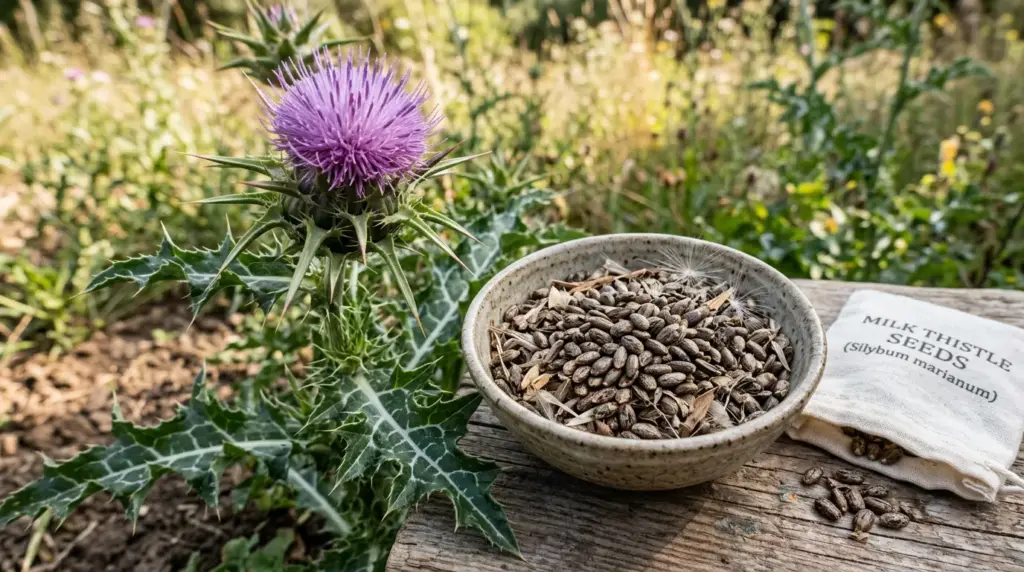
Table of Contents
Quick Summary
Silybum marianum (L.) Gaertn., universally recognized as Milk Thistle, is a biennial or annual herbaceous plant belonging to the Asteraceae family, indigenous to the Mediterranean basin. Revered for over 2,000 years in European traditional medicine and later adopted into global pharmacopeias, it is the premier botanical agent for hepatobiliary disorders. Modern scientific evidence validates its multi-functional therapeutic status, possessing potent hepatoprotective, anti-inflammatory, antitumor, and neuroprotective activities. These effects are primarily driven by silymarin, a complex isomeric mixture of flavonolignans including silybin, silychristin, and silydianin. Clinically, it is utilized to manage non-alcoholic fatty liver disease (NAFLD), stabilize glycemic indices in diabetes, and mitigate the side effects of chemotherapy. Commonly consumed as standardized capsules, seed oils, or decoctions, it maintains an excellent safety profile. However, individuals with Asteraceae allergies should exercise caution, as rare instances of anaphylaxis have been reported.
Key Therapeutic Benefits
- Clinical Alleviation of NAFLD and NASH Progression Silybum marianum significantly reduces serum AST and ALT levels in patients with non-alcoholic fatty liver disease. It works by inhibiting lipid peroxidation and suppressing the NF-kappaB signaling pathway, which halts the inflammatory cascade leading to steatohepatitis. Chronic intake improves liver histology and reduces visceral fat accumulation. (Abenavoli, 2018; Yassin, 2022; Doostkam, 2022)
- Management of Glycemic Control in Type 2 Diabetes Standardized extracts induce a significant reduction in HbA1c and fasting blood glucose levels in diabetic patients. It enhances insulin sensitivity by inhibiting the PTP1B enzyme and activating PPAR-gamma receptors, facilitating better glucose uptake in peripheral tissues. This metabolic regulation supports its use as a primary add-on therapy for insulin resistance. (Ebrahimpour-Koujan, 2018; Zhu, 2022; Huseini, 2006)
- Neurovascular Restoration Following Acute Ischemic Stroke Administration of silymarin within days of onset improves neurological motor function by reducing brain infarct volume. It promotes axonal remodeling and endogenous neurogenesis by activating the Akt/GSK-3beta signaling pathway. This dual action facilitates faster behavioral recovery and protects neurons from reperfusion injury. (Li, 2018; Yang, 2025; Feng, 2021)
- Clinical Management of Chronic Tinnitus Loudness Standardized ginkgo-silymarin combinations provide a statistically significant reduction in tinnitus loudness and overall psychological suffering. It is particularly beneficial for patients with normal hearing or when the condition is associated with vascular insufficiency. The treatment stabilizes the microcirculation of the inner ear to reduce auditory annoyance. (Amiri, 2025; Sereda, 2022; Barth, 2021)
- Reduction of Chemotherapy-Induced Peripheral Neurotoxicity The extract serves as an effective agent in reducing peripheral neuropathy scores in patients undergoing cisplatin chemotherapy. It works as a potent antioxidant that neutralizes reactive oxygen species in nerve fibers, preventing the dorsal root ganglion damage typically associated with platinum-based antitumor therapies. (Gholami, 2024; Yassin, 2021; McBride, 2012)
- Acceleration of Episiotomy and Postpartum Wound Healing Topical Silybum marianum ointments significantly reduce perineal pain and improve wound approximation following an episiotomy. It enhances epithelialization and reduces inflammatory cell infiltration in the incision site. Regular application minimizes the need for conventional analgesics and prevents hypertrophic scar formation. (Hajhashemi, 2018; Vakili, 2018; Samadi, 2010)
- Therapeutic Mitigation of Acne Vulgaris Lesions Dermocosmetic products containing milk thistle fruit extract significantly reduce comedones and inflammatory acne lesions. It helps maintain homeostasis around the sebaceous gland progenitor cells, preventing the aberrant differentiation that leads to microcomedone formation. Clinical results show a 36% improvement in global acne grades after 12 weeks. (Ardigo, 2026; Saurat, 2022; Bageorgou, 2023)
- Molecular Inhibition of SARS-CoV-2 Viral Protease Bioactive hypericin-silymarin mixtures demonstrate potent virucidal activity by creating a direct virus-blocking effect on human coronaviruses. It interferes with the binding between the SARS-CoV-2 spike protein and the human ACE2 receptor. This stable interaction across various variants suggests its role as a supportive prophylactic during viral respiratory pandemics. (Ali, 2025; Yalcin, 2021; Mohamed, 2022)
- Neuroprotective Shielding in Alzheimer’s Disease Models Milk thistle extracts improve cognitive function by attenuating amyloid-beta accumulation and hippocampal pathology. It acts as a dual inhibitor of AChE and BACE1, effectively calming the neuroinflammatory cascades that drive neuronal death. Regular treatment restores the brain’s oxidative balance and postpones progressive memory deficits. (Cao, 2017; Zou, 2010; Guo, 2018)
- Targeted Cytotoxicity against Prostate Carcinoma The minor flavonolignan isosilybin B is a potent suppressor of cell growth in human prostate cancer lines. It inhibits the DNA topoisomerase II-alpha gene promoter and reduces prostate-specific antigen (PSA) secretion. This selective pro-apoptotic effect suggests high potential for development as a targeted oncology intervention. (Davis-Searles, 2005; Yassin, 2022; Pozzo, 2025)
- Renoprotective Defense against Vancomycin Toxicity Administration of the extract attenuates acute kidney injury induced by high-dose antibiotics by downregulating apoptotic genes like p53 and p21. It reduces elevated serum urea and creatinine levels and restores the histological architecture of the functional renal units. This molecular shield prevents the oxidative stress triggered by nephrotoxic drugs. (Malkani, 2020; Savici, 2026; Dumludag, 2022)
- Clinical Management of Postmenopausal Hot Flashes Treatment with oral tablets significantly reduces the frequency and severity of menopausal hot flashes. It provides relief comparable to standard herbal therapies for the psychological domains of menopause without affecting endometrial thickness. This suggests a safe, non-hormonal alternative for managing climacteric symptoms. (Eatemadnia, 2019; Saberi, 2020; Rapp, 2018)
- Chemopreventive Suppression of Skin Carcinogenesis Topical treatment with silymarin inhibits UV-induced oxidative stress by targeting infiltrating CD11b+ cells in the skin. It delays the onset of tumors and reduces papilloma frequency in chemical-induced cancer models. This protective action is linked to its ability to augment systemic antioxidant activity and inhibit DNA damage. (K, 2021; Vaid, 2010; Borges, 2016)
- Gastroprotective Mitigation of Indomethacin-Induced Ulcers Flavonolignans exert a potent anti-ulcerative effect by activating the Nrf2/HO-1 signaling pathway in the gastric mucosa. It prevents hemorrhagic lesions and reduces mucosal inflammation, showing efficacy comparable to the drug esomeprazole. This molecular shield protects the stomach lining from damage caused by NSAIDs and ethanol. (Birdane, 2007; Vujanovic, 2020; Cicek, 2023)
- Normalization of Prolactin for Lactation Stimulation Standardized fruit extracts induce hyperprolactinemia in female models, significantly increasing circulating prolactin levels. This effect involves interaction with dopamine D2 receptors, supporting its traditional use as a galactagogue to stimulate milk production in nursing mothers. The effect is dose-dependent and persists after discontinuation. (Capasso, 2009; Post-White, 2007; Milic, 2013)
- Restoration of Male Reproductive Function in Infertility Chronic administration improves sperm progressive motility and concentration in models of diabetic infertility. It reduces oxidative stress in the testes and protects germ cells from apoptosis by inhibiting the TLR4/NF-kappaB pathway. This maintains the expression of proteins required for testosterone synthesis. (Amin, 2012; Tohamy, 2022; Habotta, 2021)
- Bactericidal Eradication of MRSA Biofilms Green-synthesized nanoparticles from the seeds exhibit robust antimicrobial efficacy against methicillin-resistant Staphylococcus aureus. It disrupts bacterial cell membranes and achieves over 85% inhibition of biofilm formation. This interference with quorum sensing provides a potent resource for treating antibiotic-resistant wound infections. (Akhtar, 2026; Sirvani, 2025; Mahmoud, 2025)
- Systemic Hypotensive and Lipid-Lowering Action Combined therapy with Berberis aristata significantly lowers total cholesterol, LDL-C, and triglycerides. It works by inhibiting hepatic HMG-CoA reductase and enhancing the intestinal absorption of other lipid-lowering alkaloids. Regular supplementation also leads to a significant reduction in arterial blood pressure. (Derosa, 2013; Salih, 2023; Aziz, 2018)
- Osteoprotective Inhibition of Osteoclast Resorption The bioactive component silybin increases osteoblast and bone formation while inhibiting osteoclast activity. It protects against dexamethasone-induced osteoporosis by stimulating the production of bone-building proteins. This antiresorptive action provides a promising strategy for managing postmenopausal skeletal fragility. (Fahad Almulhim, 2024; Wang, 2024; Lii, 2002)
- Nootropic Enhancement of Memory and Cognitive Function Chronic treatment improves spatial working memory by modulating cortical plasticity and increasing brain BDNF levels. It reverses scopolamine-induced amnesia and enhances the efficiency of brain activation during memory tasks. This suggests potential therapeutic value in managing memory disorders such as early-stage dementia. (Hasanein, 2011; Valvassori, 2018; Concerto, 2018)
- Amelioration of Ulcerative Colitis Inflammation Aqueous seed extracts mitigate neutrophil pro-inflammatory functions and alleviate the symptoms of ulcerative colitis. It prevents the rise of TNF-alpha and IL-1beta and preserves the microstructure of the colon. The treatment restores the intestinal redox status and serves as a safe candidate to prevent colonic inflammation. (Kouki, 2025; Wan, 2022; Liu, 2019)
- Cardioprotective Salvage after Myocardial Infarction Intake of the extract protects the heart against the deleterious effects of a myocardial infarction (MI) by mitigating oxidative stress. It limits adverse remodeling and improves cardiac contractility following reperfusion. These benefits are attributed to the attenuation of TGF-beta1/SMAD signaling and lower myofibroblast transdifferentiation. (Ansari, 2006; Vilahur, 2018; Ulas, 2018)
- Radioprotective Shielding of DNA and Lymphocytes Oral administration significantly reduces the frequency of chromosomal aberrations and micronuclei in radiation workers. It exerts an antimutagenic effect that accelerates the recovery of lymphocyte counts. This protective action is linked to the plant’s ability to scavenge radiation-induced free radicals and protect DNA integrity. (Joksic, 2009; Sharma, 2005; Dardano, 2012)
- Mitigation of Social Defeat Stress and Despair A combination of Silybum marianum and other adaptogens prevents stress-induced social aversion and memory impairment. It counteracts the rise in pro-inflammatory cytokines in the hippocampus and stimulates brain levels of BDNF. This promotes psychosocial resilience and reduces behaviors associated with despair and anxiety. (Costa, 2024; Vlasheva, 2025; Razavi, 2025)
- Senotherapeutic Elimination of Aged Dermal Fibroblasts Flower extracts act as a safe and selective senolytic agent that targets and eliminates senescent cells in the skin. It suppresses the expression of SASP factors such as IL-6 and MMP-1, preventing premature skin aging. This senotherapeutic effect allows for the reprogramming of aged skin by increasing the proliferation of healthy young fibroblasts. (Lekmine, 2025; Woo, 2021; Boira, 2025)
How It Works (Phytochemistry)
- Silybin A/B → Inhibition of NF-kappaB and PTP1B → Hepatoprotective & Antidiabetic
- Isosilybin A/B → Selective binding to topoisomerase II-alpha → Targeted Prostate Cytotoxicity
- Silychristin → Modulation of Nrf2-mediated antioxidant cascade → Renoprotective & Anti-inflammatory
- Silydianin → Suppression of superoxide anion release → Gastroprotective & Antiviral
- Taxifolin → Scavenging of reactive oxygen species (ROS) → Antioxidant & Anti-aging
- Dehydrodiconiferyl alcohol (DHCA) → Inactivation of NF-kappaB pathways in macrophages → Wound Healing Acceleration
- Mariamides A/B → Potential alpha-glucosidase inhibition → Hypoglycemic Stabilization
- Sonyamandin → Novel flavonolignan isomer → Phytochemical Marker
Traditional Knowledge
- Ayurveda: Although not native to India, it is used as a modern Yakrit-Uttejak (liver stimulant) to treat jaundice and gallbladder obstructions.
- Ancient Greece & Europe: Recorded by Dioscorides as a remedy for snakebites and “melancholy.” Historically called “Our Lady’s Thistle” for its white-veined leaves.
- Traditional Chinese Medicine (TCM): Known as Shuifeiji, it is used to “clear liver fire,” improve gallbladder function, and resolve toxicity associated with damp-heat.
- Persian Medicine: Prized as a carminative and a medication for xerostomia (dry mouth) and respiratory illnesses.
Usage and Preparations
- Standardized Capsules (Silymarin): Taken at 140–200 mg thrice daily for chronic liver disease and metabolic control.
- Topical Ointment (7% Extract): Applied twice daily for acne treatment and episiotomy wound healing.
- Cold-Pressed Seed Oil: Consumed as a dietary source of linoleic acid (57%) to improve systemic antioxidant status.
- Seed Powder (Churna): Taken at 7–15 g/kg in animal feed to improve growth performance and carcass quality.
- Aqueous Tea (Sprout Infusion): Consumed for its high polyphenol content and trace element (Zn, Fe, Mn) supplementation.
Identity and Authentication
- Botanical Name: Silybum marianum (L.) Gaertn.
- Family: Asteraceae.
- Common Names: Milk Thistle, Blessed Thistle, Shuifeiji, Artichoke Thistle.
- Morphology: A robust biennial herb with large, glossy, white-veined prickly leaves and purple flower heads surrounded by stiff bracts.
- Plant Part Used: Dried Ripe Fruits (Achenes), Seeds, and occasionally Leaves/Stems.
- Microscopy: Distinguished by a ligneous seed-coat containing silymarin and an endosperm with oil globules but only traces of bioactives.
- Analytical Markers: Authenticated using HPLC-DAD or LC-MS/MS for a specific ratio of silybin B to silybin A (approx. 1.58).
Dosage and Safety
- Dosage: Effective clinical oral doses range from 420 mg to 600 mg of silymarin daily for most liver and metabolic conditions. (Frassova, 2017; Sayyah, 2010)
- Side Effects: Generally well-tolerated; rare reports of gastrointestinal upset, mild laxative effect, and skin rash. (Post-White, 2007; Pepping, 1999)
- Toxicity: Classified as non-toxic; LD50 estimated at > 2000 mg/kg. No mutagenic or genotoxic potential detected in standardized tests. (Illuri, 2019; Ringel, 2026)
- Drug Interactions: May inhibit CYP3A4 and CYP2C9 in vitro; use caution with Warfarin, Losartan, and Midazolam. (Gurley, 2006; Brantley, 2010)
- Classification: Safe (standard doses); Caution (Avoid if allergic to the Asteraceae family and monitor closely during pregnancy). (Planas-Vinos, 2025; Wojas, 2020)
FAQs
- Does Milk Thistle really help with a fatty liver? Yes, clinical studies show it significantly reduces liver fat content and lowers AST/ALT levels by reducing inflammation and oxidative stress in hepatocytes.
- Is it safe to take Milk Thistle while on chemotherapy? It can be beneficial for protecting the liver from chemo-toxicity, but patients should consult their oncologist due to potential interactions with drug metabolism.
- Can I take Milk Thistle for my acne? Yes, research demonstrates that a 7% fruit extract gel applied topically can reduce acne lesions by 36% by stabilizing the sebaceous glands.
- Does Milk Thistle interact with blood thinners like Warfarin? Caution is advised. Some studies suggest it can inhibit the enzyme (CYP2C9) that breaks down Warfarin, potentially increasing the risk of bleeding.
- How long does it take for Milk Thistle to work for diabetes? Clinical trials typically show significant improvements in fasting glucose and insulin resistance after 45 days to 4 months of consistent use.
- Can I use Milk Thistle if I’m pregnant? While traditionally used to stimulate milk, robust safety data during pregnancy is limited. It is classified as Caution and should only be used under medical supervision.
- Is Milk Thistle good for my kidneys? Yes, it is nephroprotective and can help recover kidney function after exposure to toxic drugs like vancomycin or gentamicin by reducing apoptosis.
- Can Milk Thistle cause an allergic reaction? Yes, if you are allergic to ragweed, daisies, or marigolds (Asteraceae family), you may experience an allergic reaction, including rare cases of anaphylaxis.
- Which is the best form: tea or capsules? Standardized capsules are generally superior because silymarin has poor water solubility; however, seed tea is an effective way to ingest trace minerals.
- Does Milk Thistle help with weight loss? Some evidence suggests it may reduce visceral fat and improve metabolic rates in obese individuals by modulating mitochondrial function.
References
- Ansari, M. N., et al. (2006). Indian J Exp Biol, 44(11), 892-897. PubMed: 17131920
- Huseini, H. F., et al. (2006). Phytother Res, 20(12), 1036-1039. DOI: 10.1002/ptr.1988
- Post-White, J., et al. (2007). Integr Cancer Ther, 6(2), 104-109. DOI: 10.1177/1534735407301632
- Brantley, S. J., et al. (2010). J Pharmacol Exp Ther, 332(3), 1081-1087. DOI: 10.1124/jpet.109.161919
- Sayyah, M., et al. (2010). Prog Neuropsychopharmacol Biol Psychiatry, 34(2), 362-365. DOI: 10.1016/j.pnpbp.2009.12.015
- Ebrahimpour-Koujan, S., et al. (2018). Phytomedicine, 44, 39-44. DOI: 10.1016/j.phymed.2018.03.003
- Vilahur, G., et al. (2018). Int J Cardiol, 270, 28-35. DOI: 10.1016/j.ijcard.2018.06.035
- Saurat, J. H., et al. (2022). J Pers Med, 13(1). DOI: 10.3390/jpm13010041
- Yassin, N. Y. S., et al. (2022). Biomed Pharmacother, 145, 112409. DOI: 10.1016/j.biopha.2021.112409
- Boira, C., et al. (2025). J Cosmet Dermatol, 24(1), e16613. DOI: 10.1111/jocd.16613
Jump to: Benefits | Phytochemistry | Dosage | FAQs