
Echinacea (Echinacea purpurea): 25 Evidence-Based Health Benefits
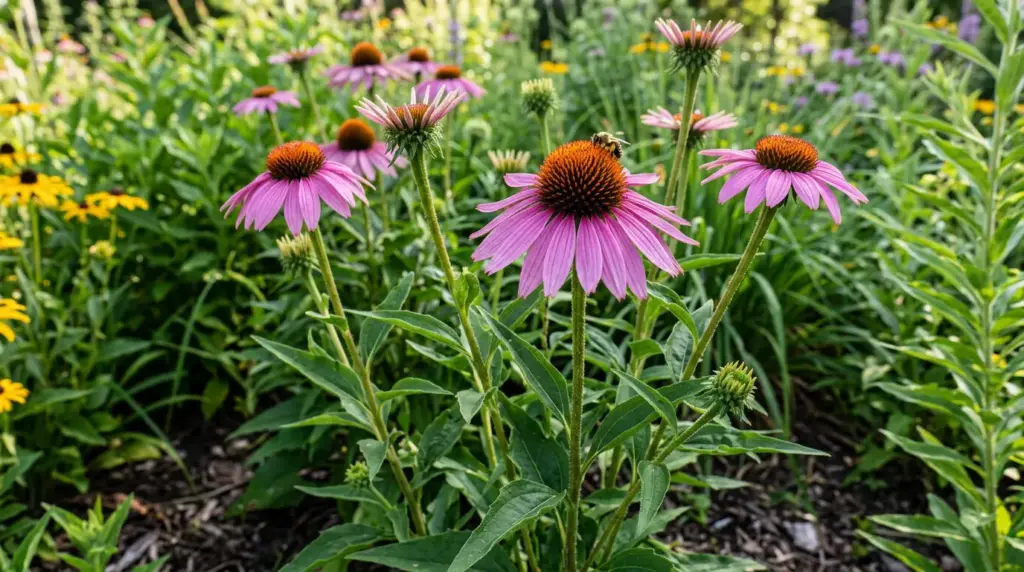
Table of Contents
Quick Summary
Echinacea purpurea (L.) Moench, famously known as the Purple Coneflower, is a perennial medicinal herb in the Asteraceae family, native to the prairies of North America. Traditionally revered in Native American folk medicine for treating infections and wounds, it has evolved into a global pharmacological powerhouse. Modern evidence validates its status as a premier immunomodulator, antiviral agent, and anti-inflammatory botanical. Its therapeutic efficacy is driven by a complex matrix of bioactives, including cichoric acid, alkylamides, and arabinogalactan-proteins. Clinically, it is celebrated for significantly reducing the duration of the common cold, improving glycemic control in metabolic disorders, and preventing viral replication of pathogens like SARS-CoV-2. It is commonly prepared as standardized tinctures (Echinaforce), root powders, or hydroalcoholic extracts. While generally safe, its potential to induce CYP3A4 activity necessitates caution for those on specific pharmaceuticals, and it should be used carefully during pregnancy.
Key Therapeutic Benefits
- Clinical Alleviation of Influenza and Cold Episodes Standardized preparations of Echinacea purpurea significantly diminish the severity and duration of upper respiratory tract infections. It works by stimulating the innate immune system and inhibiting the replication of respiratory viruses. Prophylactic intake over four months provides a positive risk-to-benefit ratio by reducing the number of cold episodes and the need for conventional painkillers. (Bauer, 2002; Ross, 2016; Jawad, 2012)
- Regulation of Glucose Homeostasis and Insulin Sensitivity Specific metabolites, particularly the alkamide hexadeca-2E,9Z,12Z,14E-tetraenoic acid isobutylamide, activate PPAR-gamma without inducing adipocyte differentiation. This enhances insulin-stimulated glucose uptake in muscle and fat tissues, offering a natural intervention for managing Type 2 diabetes and insulin resistance. (Gray, 2000; Zhu, 2022; Mao, 2018)
- Molecular Inhibition of SARS-CoV-2 and Enveloped Viruses Bioactive extracts demonstrate potent virucidal activity by irreversibly inactivating human coronaviruses, including SARS-CoV-2 and MERS-CoV. It likely interferes with the viral entry into host cells by inhibiting receptor binding activity. This stable activity across various variants suggests its role as a supportive prophylactic during viral pandemics. (Ali, 2025; Signer, 2020; Vimalanathan, 2022)
- Polarization of M1 Macrophages for Pathogen Defense Polysaccharide-enriched extracts drive the polarization of macrophages toward the M1 phenotype, which is critical for intracellular bactericidal activity. This process is dependent on the JNK signaling pathway and leads to increased expression of CD80, CD86, and MHCII. It effectively enhances the body’s ability to clear bacterial infections like Salmonella. (Fu, 2017; Ren, 2023; Luettig, 1989)
- Amelioration of Ulcerative Colitis and Gut Inflammation Echinacea extracts suppress the C3a/C3aR signaling pathway to reduce the pathological damage associated with ulcerative colitis. It effectively restores the integrity of the intestinal epithelial barrier and reduces the secretion of pro-inflammatory cytokines. Dietary supplementation helps reverse gut microbiota imbalances by restoring beneficial Bacteroidetes levels. (Gu, 2023; Wei, 2024; Dogan, 2014)
- Neuroprotective Shielding in Alzheimer’s Disease Models Aqueous and alcoholic flower extracts inhibit cholinesterase activity and decrease the formation of toxic amyloid plaques in the cerebral cortex. It overcomes neurobehavioral toxicity by restoring the brain’s oxidative balance and downregulating IL-6. This multi-targeted approach helps postpone progressive neural damage in neurodegenerative conditions. (Mohamed, 2023; Sutalangka, 2017; Abdel-Wahhab, 2024)
- Acceleration of Dermal Wound Healing and Remodeling Topical application of glycerolic extracts promotes the migration and proliferation of fibroblasts in human skin. It facilitates faster wound closure by targeting the TGF-beta/VEGF/NF-kappaB pathways, which are essential for angiogenesis and collagen deposition. These formulations provide antioxidant protection and enhance the re-epithelialization of infected wounds. (Burlou-Nagy, 2023; Pavaloiu, 2025; Ezzat, 2025)
- Inhibition of Osteoclastogenesis and Bone Resorption The alkylamide echinalkamide significantly inhibits RANKL-induced osteoclast differentiation and bone resorption. It works by disturbing the MAPK-c-Fos-NFATc1 cascade, which regulates bone-degrading cells. This action provides a promising strategy for developing natural antiresorptive agents for managing skeletal disorders. (Chang, 2020; Wang, 2024; Lii, 2002)
- Targeted Cytotoxicity and Apoptosis in Lung Cancer Root extracts induce caspase-dependent apoptosis in human lung cancer cell lines (A549). It triggers a rise in cellular reactive oxygen species (ROS) levels and arrests the cell cycle at the sub-G1 phase. This selective pro-apoptotic effect is partly mediated through the modulation of the CB2 receptor system. (Hosami, 2021; Tsai, 2012; Chen, 2024)
- Rejuvenation of Myelopoiesis and Hematopoietic Function Standardized extracts stimulate the production of granulocyte/macrophage-colony forming cells (GM-CFCs) in the bone marrow. It effectively reverses bone marrow suppression and spleen cell damage caused by iron overload or chemical toxicity. This “myelostimulatory” activity supports the recovery of white blood cell counts following physiological stress. (Ramasahayam, 2011; Abdul Ridha, 2026; Currier, 2001)
- Restoration of Male Reproductive Function in Diabetes Chronic administration of Echinacea ethanol extract improves diabetes-induced male infertility by reducing oxidative stress in the testes. It increases sperm motility, protects sperm morphology, and restores proteins required for testosterone synthesis. This effect is mediated by inhibiting the TLR4/NF-kappaB inflammatory pathway. (Mao, 2021; Nashed, 2024; Kim, 2024)
- Mitigation of Social Defeat Stress and Despair A combination of Echinacea, Zingiber, and Centella extracts prevents stress-induced social aversion and memory impairment. It stimulates brain levels of BDNF and TrkB while counteracting the rise in pro-inflammatory cytokines in the hippocampus. This promotes psychosocial resilience and reduces behaviors associated with despair and anxiety. (Costa, 2024; Vlasheva, 2025; Razavi, 2025)
- Radioprotective Shielding of Peripheral Blood Cells Oral administration of Echinacea tablets significantly reduces the frequency of chromosome aberrations and micronuclei in radiation workers. It exerts a suppressive effect on radiation-induced leukopenia and accelerates the recovery of lymphocyte counts. This protective action is linked to the plant’s ability to augment systemic antioxidant activity. (Mishima, 2004; Sharma, 2005; Joksic, 2009)
- Clinical Control of Autoimmune Idiopathic Uveitis Systemic Echinacea extract serves as an effective add-on therapy for low-grade, steroid-dependent autoimmune uveitis. It allows for a significant reduction in steroid-off time and helps maintain stable visual acuity. The extract’s immunomodulatory properties effectively settle ocular inflammation without the adverse reactions of standard pharmaceuticals. (Neri, 2006; Mathew, 2005; Jurkstiene, 2004)
- Bactericidal Control of MRSA and Dental Pathogens The extract demonstrates robust antibacterial activity against Methicillin-resistant Staphylococcus aureus (MRSA) and periodontal pathogens. It impairs the bacterial cell membrane and inhibits the development of biofilm architectures by up to 83%. This makes it a potential candidate for natural disinfectants and oral hygiene products. (Garzoli, 2023; Todd, 2015; Fahimirad, 2025)
- Enhanced Growth and Immunity in Aquaculture Dietary inclusion of Echinacea meal significantly improves the weight gain and feed conversion ratio in common carp and rainbow trout. It enhances neutrophil adherence and provides superior protection against challenge infections like Aeromonas hydrophila. This botanical provides a non-antibiotic method to improve fish survival and cold stress resistance. (Aly, 2010; Oskoii, 2012; Guz, 2025)
- Therapeutic Management of Avian Coccidiosis A mixture of Echinacea and Glycyrrhiza extracts serves as an alternative to chemotherapeutic drugs for controlling coccidiosis in poultry. It significantly reduces intestinal lesion scores and fecal oocyst excretion. Treatment maintains the growth performance of broiler chickens even after experimental infection with Eimeria species. (Ghafouri, 2023; Orengo, 2012; Hashem, 2020)
- Prevention of Benign Prostate Hyperplasia (BPH) Animal models demonstrate that the extract gradually and significantly reduces prostate mass and reverses degenerative changes. It exerts an antiandrogenic effect that may help balance the hormonal milieu of the prostate gland. Regular consumption appears to prevent the histological structures of hyperplasia from developing. (Skaudickas, 2009; Mao, 2018; Jurkstiene, 2004)
- Amelioration of Bleomycin-Induced Pulmonary Fibrosis Oral Echinacea treatment mitigates lung fibrosis by modulating the NADPH oxidase-4 (NOX4) and endothelin-1 signaling axis. It reduces the accumulation of inflammatory cells and suppresses the production of collagen-1 in lung tissues. This anti-fibrotic effect is crucial for countering the side effects of certain chemotherapy agents. (Salama, 2025; Alrumaihi, 2020; Ezzat, 2025)
- Modulation of Dendritic Cell Traffic and Maturation The botanical extract influences the trafficking activity of dendritic cells, facilitating their migration to peripheral lymph nodes and the spleen. It regulates genes related to cell adhesion and motility, such as Cdh1 and Mmp8. This mechanism ensures a more efficient initiation of the adaptive immune response against pathogens. (Yin, 2010; Benson, 2010; El-Ashmawy, 2015)
- Bioavailability Enhancement via P-gp Inhibition Echinacea phytochemicals modulate the drug efflux transporter P-glycoprotein (P-gp), potentially influencing the bioavailability of co-administered drugs. While systemic effects may be limited, it significantly inhibits the net flux of substrates in intestinal cell models. This “bio-enhancing” potential should be considered during combined therapies. (Awortwe, 2021; Setyaningsih, 2021; Hansen, 2009)
- Hepatoprotective Defense against Chromium Toxicity Pretreatment with root extract mitigates the hepatotoxicity and genotoxicity induced by hexavalent chromium [Cr(VI)]. It normalizes liver enzyme levels and restores the oxidant-antioxidant equilibrium by suppressing TBARS and H2O2 formation. This molecular shield prevents the ultrastructural abnormalities in liver tissue triggered by heavy metal poisoning. (El-Demerdash, 2024; Vujanovic, 2020; Hou, 2020)
- Anticonvulsant Shielding via CB2 Receptor Activation The hydroalcoholic root extract exerts potent anticonvulsant effects in seizure models by interacting with the cannabinoid type 2 (CB2) receptors. It significantly increases the latency to seizures and decreases mortality rates. This membrane-stabilizing effect suggests a role for Echinacea alkylamides as cannabinomimetic neuro-agents. (Gholami, 2022; Wang, 2024; Ataee, 2016)
- Clinical Alleviation of Pruritus and Atopic Eczema Topical emulsions containing Echinacea extract significantly reduce erythema, dryness, and the sensation of pruritus (itching). It restores the epidermal lipid barrier and increases the numbers of intercellular lipid lamellae. This provides a well-tolerated, steroid-free novel ingredient for the adjuvant therapy of atopic eczema. (Olah, 2017; Kilic, 2018; Ciganovic, 2023)
- Amelioration of Autism-like Behaviors and Neuroinflammation In models of maternal separation, the extract reduces autistic-like behaviors (repetitive behaviors and social impairment) by attenuating hippocampal neuroinflammation. It significantly decreases the expression of inflammatory genes like NLRP3 and TLR4. This suggests potential therapeutic value in managing neurodevelopmental disorders driven by oxidative stress. (Razavi, 2025; Costa, 2024; Bahadoran, 2026)
How It Works (Phytochemistry)
- Cichoric Acid → Inhibition of HIV integrase and hyaluronidase → Antiviral & Tissue Remodeling.
- Alkylamides (DTAI) → Activation of CB2 receptors and inhibition of COX-2 → Immunomodulation & Pain Relief.
- Arabinogalactan-proteins (AGP) → Stimulation of the alternative complement pathway → Innate Immunity Activation.
- LysM Lectins → Binding to peptidoglycans and induction of vacuolization → Nephrotoxic Potential (in isolation) & Defense.
- Germacrene D → Volatile sesquiterpene with sensory properties → Aromatic & Defense Marker.
- Caftaric Acid → Free radical scavenging and PPO substrate → Antioxidant.
Traditional Knowledge
- Native American Medicine: Historically used by the Plains Indians for a vast array of ailments, including snakebites, toothaches, sore throats, and inflammatory conditions of the skin and GI tract.
- Eclectic Medicine (19th Century): Adopted into Western herbal practice in the 1800s as a blood purifier and treatment for septicemia and syphilis.
- Modern European Practice: Extensively cultivated in Germany since 1939 (due to a historical import error involving E. angustifolia) and utilized primarily as a pressed juice for upper respiratory support.
Usage and Preparations
- Standardized Fresh Tincture (Echinaforce): 2,400 mg daily for cold prevention; 4,000 mg daily for acute respiratory episodes.
- Hydroalcoholic Extract (60% Ethanol): 200 mg daily for immune improvement in healthy adults.
- Topical Cream (Ec. Extract): Applied to the skin twice daily to alleviate atopic eczema and restore lipid barriers.
- Composite Tincture: Combined with Rosa canina (Dog Rose) for synergistic adaptogenic effects.
- Dried Root Meal: Used at 10-20 g/kg in fish diets to improve growth performance and disease resistance.
Identity and Authentication
- Botanical Name: Echinacea purpurea (L.) Moench.
- Family: Asteraceae.
- Common Names: Purple Coneflower, Red Sunflower, Rudbeckia, Hedgehog Coneflower.
- Morphology: Perennial with ovate-lanceolate, coarsely-toothed leaves and large purple-pink flower heads with a spiny, “hedgehog-like” central disk.
- Plant Part Used: Roots (primary), Flowers, and Leaves.
- Analytical Markers: Authenticated using HPLC-DAD and LC-MS/MS for cichoric acid, alkamides (DTAI), and caftaric acid.
- Microscopy: Identified by calcium oxalate crystals, phloem protein bodies, and subterminally located centromeres on chromosome pair 10.
Dosage and Safety
- Dosage: Effective clinical doses range from 100 mg (pressed juice) to 4,000 mg (liquid extract) daily, depending on the indication. (Jawad, 2012; Schulten, 2001)
- Side Effects: Generally very well tolerated; rare reports of unpleasant taste, minor GI upset, and mild allergic skin reactions (contact dermatitis). (Jawad, 2012; Parnham, 1996)
- Toxicity: Classified as non-toxic in 4-week oral administration studies at high doses; no mutagenic or carcinogenic effects reported. (Mengs, 1991; Jeong, 2024)
- Drug Interactions: Significantly induces CYP3A4; use caution with substrates like Docetaxel or protease inhibitors, though it does not alter Lopinavir/Ritonavir levels. (Penzak, 2010; Gorski, 2004)
- Classification: Safe (standard use); Caution (Avoid raw seeds due to virus contigs and use care during pregnancy). (Perri, 2006; Barcz, 2007)
FAQs
- Does Echinacea really prevent the common cold? Yes, large-scale clinical trials show that standardized extracts taken prophylactically reduce the number of cold episodes and the total days spent ill.
- Is it safe to take Echinacea during pregnancy? Caution is advised. While human data suggests no major malformations, animal studies indicate it may suppress pregnancy-induced lymphocyte elevations and reduce viable fetuses.
- Can Echinacea help with diabetes? Yes, its alkamides activate PPAR-gamma, which improves insulin sensitivity and glucose uptake, helping to stabilize blood sugar levels.
- Does it interact with medications? Yes, it can induce CYP3A4 enzymes, which may lower the effectiveness of certain drugs. Always consult a doctor if taking prescription medications.
- What is the best form to take? Fresh-harvested hydroalcoholic extracts (tinctures) generally retain higher levels of bioactive cichoric acid and alkylamides than dried tablets.
- Can I use it for skin rashes like eczema? Yes, topical Echinacea creams have been shown to restore the skin’s lipid barrier and significantly reduce the symptoms of atopic eczema.
- How long should I take Echinacea? Clinical studies for prevention have demonstrated safety for up to 4 months of continuous daily use.
- Does it cause liver damage? Standardized extracts have not been linked to liver damage; however, it should be used cautiously with other potentially hepatotoxic drugs.
- Can children take Echinacea? Yes, it has been shown to reduce respiratory infections in children, but some forms (root extracts) may increase the risk of otitis media in certain populations.
- Does Echinacea help with anxiety? Yes, certain bioactive compounds interact with the cannabinoid system and GABAA receptors to produce anxiolytic and calming effects.
References
- Roesler, J., et al. (1991). Int J Immunopharmacol 13(7): 931-941.
- Zakay-Rones, Z., et al. (1995). J Altern Complement Med 1(4): 361-369.
- Parnham, M. J. (1996). Phytomedicine 3(1): 95-102.
- Gray, A. M., et al. (2000). J Nutr 130(1): 15-20.
- Schulten, B., et al. (2001). Arzneimittelforschung 51(7): 563-568.
- Woelkart, K., et al. (2006). Int J Clin Pharmacol Ther 44(9): 401-408.
- Penzak, S. R., et al. (2010). Pharmacotherapy 30(8): 797-805. DOI: 10.1592/phco.30.8.797
- Jawad, M., et al. (2012). Evid Based Complement Alternat Med 2012: 841315. DOI: 10.1155/2012/841315
- Olah, A., et al. (2017). J Dermatol Sci 88(1): 67-77. DOI: 10.1016/j.jdermsci.2017.05.015
- Awortwe, C., et al. (2021). Mol Pharm 18(4): 1622-1633. DOI: 10.1021/acs.molpharmaceut.0c01144
- Signer, J., et al. (2020). Virol J 17(1): 136. DOI: 10.1186/s12985-020-01401-9
- Razavi, S. Z., et al. (2025). J Psychiatr Res 184: 118-127. DOI: 10.1016/j.jpsychires.2025.01.012
Jump to: Benefits | Phytochemistry | Dosage | FAQs