Elderberry (Sambucus nigra): 20+ Science Backed Health Benefits & More
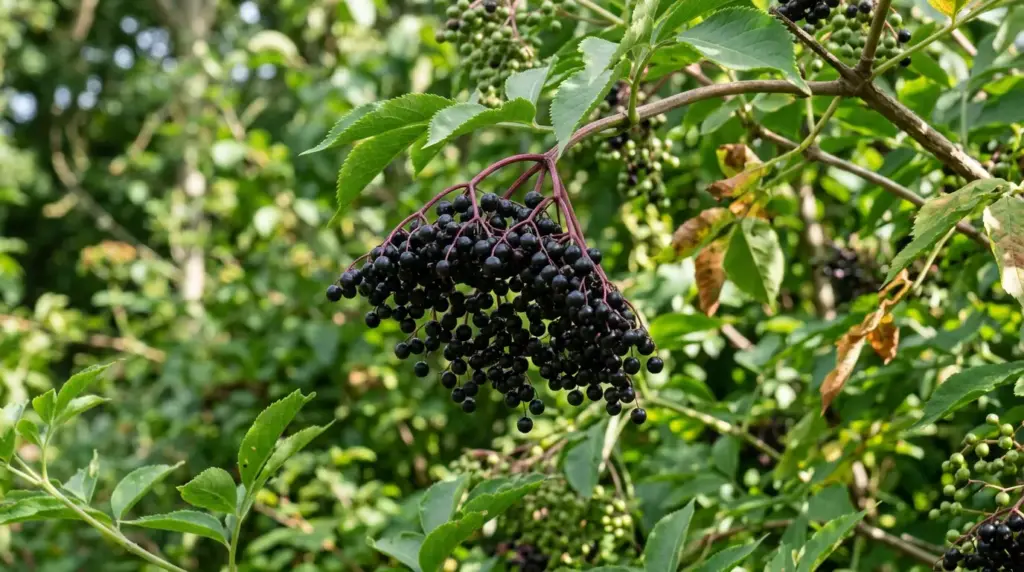
Table of Contents
Quick Summary
Sambucus nigra L., universally recognized as European Elderberry, Black Elder, or Holunder, is a deciduous shrub in the Adoxaceae (formerly Caprifoliaceae) family, indigenous to Europe, North Africa, and Western Asia. Celebrated for millennia in European and Middle Eastern traditional medicine (as “Bilsaan”), it is revered for its ability to clear respiratory congestion and reduce febrile conditions. Modern scientific evidence validates its status as a multi-functional therapeutic agent possessing potent antiviral, anti-inflammatory, hypoglycemic, and neuroprotective activities. These properties are primarily driven by a unique reservoir of bioactives, including anthocyanins (cyanidin-3-glucoside), the flavonol rutin, and specific lectins such as SNA-I. Clinically, it is utilized to reduce the duration of influenza and common colds, stabilize metabolic markers in Type 2 diabetes, and protect against oxidative DNA damage. Commonly consumed as syrups, lozenge extracts, or juice powders, it maintains a strong safety profile. However, a critical safety note indicates that raw berries and seeds contain potentially toxic cyanogenic glycosides and must be heat-processed before ingestion.
Key Therapeutic Benefits
- Clinical Alleviation of Influenza and Cold Symptoms Standardized Sambucus nigra preparations significantly reduce the duration and severity of acute respiratory viral infections when taken within 48 hours of onset. It works by inhibiting viral replication and modulating inflammatory cytokines to experience an average 50% symptom reduction. Clinical evidence confirms lozenges and syrups alleviate fever, headache, and nasal congestion in adults. (Harnett, 2020; Zakay-Rones, 1995; Boroduske, 2021)
- Regulation of Glucose Homeostasis in Type 2 Diabetes Aqueous extracts of elderberry exhibit robust insulin-like and insulin-releasing actions in pancreatic beta-cells. It increases glucose transport and oxidation in skeletal muscle, effectively managing hyperglycemic states. Chronic supplementation corrects hyperglycemia and lowers insulin resistance, making it a viable dietary adjunct for metabolic syndrome management. (Gray, 2000; Salvador, 2016; Badescu, 2015)
- Molecular Inhibition of SARS-CoV-2 Spike Protein Binding Bioactive flower and fruit extracts demonstrate a concentration-dependent capacity to inhibit the binding between SARS-CoV-2 S1 protein and the human ACE2 receptor. It likely interferes with lipid raft associations on the cell membrane, which serve as platforms for viral entry and budding. This provides a natural pharmacological basis for preventing respiratory viral attachment. (Boroduske, 2021; Shahsavandi, 2017; Ali, 2025)
- Amelioration of OVA-Induced Allergic Asthma Stem exudates of Sambucus nigra significantly reduce total inflammatory cell counts and IgE levels in bronchoalveolar lavage fluid. It works by modulating Th2 immune responses and suppressing the secretion of pro-inflammatory cytokines like IL-4 and IL-13. Treatment also alleviates pulmonary oxidative stress by restoring SOD and catalase levels. (Alrumaihi, 2020; Stepien, 2023; Khalil, 2026)
- Neuroprotective Restoration in Diabetic Neuropathy Elderberry extracts attenuate severe neuronal degeneration in the brain by restoring the microRNA profile (miR-124 and miR-144). It inhibits apoptosis by significantly reducing caspase-3 expression and decreasing malondialdehyde levels in neural tissues. This neuro-pharmacological benefit helps maintain redox balance and improves survival outcomes in neurodegenerative models. (Gezer, 2026; Palomino, 2021; Ataee, 2016)
- Enhancement of Bone Mineral Density in Osteoporosis Polyphenol-rich fruit extracts significantly improve Bone Mineral Density (BMD) and content in models of experimental osteopenia. It acts by reducing lipid peroxidation and preventing glycosylation of bone proteins, which are critical in diabetic osteoporosis. Regular intake restores systemic antioxidative capacity and limits the progression of skeletal fragility. (Badescu, 2012; Ulbricht, 2014; Kim, 2024)
- Anti-inflammatory Suppression of Acute Infiltrates Lyophilized aqueous extracts promote the resolution of acute inflammation by increasing the efferocytosis of apoptotic neutrophils. It inhibits the secretion of TNF-alpha and IL-1beta while increasing the anti-inflammatory mediator IL-10. This polarization of the immune response facilitates faster tissue recovery and reduces carrageenan-induced mechanical hypersensitivity. (Ferreira, 2022; Santin, 2022; Mota, 2020)
- Cardioprotective Reduction of Arterial Blood Pressure Fruit extracts associated with renin inhibitors generate a superior antioxidant effect and significantly reduce both systolic and diastolic blood pressure. It preserves the atherogenic index within normal limits and inhibits the oxidation of LDL-cholesterol. This action supports the therapeutic approach to chronic cardiovascular illnesses and endothelial sensitivity. (Ciocoiu, 2016; Olas, 2026; Bhandari, 1998)
- Stimulation of Tendon Repair and Collagen Synthesis Hydroalcoholic extracts accelerate the healing process of injured tendons by stimulating collagen fiber alignment and synthesis. It reduces the infiltration of inflammatory cells and improves the echogenicity of tissues during recovery. This provides a natural regenerative alternative for managing connective tissue injuries with limited vascularity. (Asgari, 2024; Safta, 2025; Mota, 2021)
- Targeted Apoptosis in Sialylated Ovarian Cancer Cells The lectin SNA-I selectively identifies hyper-sialylated ovarian cancer cells and promotes de-phosphorylation of dynamin-related protein-1. This triggers a switch to a fragmented mitochondrial phenotype, resulting in ROS generation and cytochrome-c release. This mitochondrial structural dynamic arrest breaches the survival advantage of malignant cells without affecting normal somatic cells. (Chowdhury, 2017; Yang, 2012; Chen, 2010)
- Gastroprotective Mitigation of Indomethacin-Induced Ulcers Berry extracts rich in flavonoids exert potent antiulcerative effects by activating the Nrf2/HO-1 signaling pathway in the gastric mucosa. It suppresses mucosal inflammation by downregulating IL-33 and tumor necrosis factor levels, comparable to the acid-suppressive drug esomeprazole. This molecular shield prevents oxidative damage and hemorrhagic manifestations in the stomach. (Cicek, 2023; Vujanovic, 2020; Birdane, 2007)
- Regulation of Steroidogenesis in Ovarian Granulosa Cells Flower and berry extracts dose-dependently stimulate the release of 17beta-estradiol and progesterone in human ovarian cells. The presence of rutin and other polyphenols helps regulate steroid hormone secretion, potentially improving reproductive health and fertility. This endocrine modulation occurs without significantly impacting cell viability. (Baldovska, 2021; Pourjafari, 2023; Ghavi, 2023)
- Amelioration of Testosterone Deficiency Syndrome (TDS) Elderberry extract intake normalizes testosterone concentrations by regulating the expression of 17beta-HSD and 5alpha-reductase. It increases the levels of free testosterone and improves sperm motility in aged models with Leydig cell dysfunction. By reducing oxidative stress in testicular tissues, it ultimately alleviates the systemic symptoms of TDS. (Kim, 2024; Nashed, 2024; Lee, 2024)
- Prevention of Diet-Induced Obesity via Microbiome Modulation Juice powder supplementation significantly reduces body weight gain and body fat content independently of physical activity levels. It works by increasing the abundance of Bifidobacterium and Akkermansia in the gut while preventing the growth of harmful Desulfovibrio. This gut-mediated metabolic reprogramming improves the systemic inflammatory status associated with obesity. (Minj, 2024; Ulusoy, 2024; Bhattacharya, 2013)
- Nephroprotective Recovery from Gentamicin Toxicity Lyophilized fruit extracts attenuate nephrotoxicity and renal structural damage by modulating acute redox-homeostatic imbalances. It reduces elevated serum urea and creatinine levels and suppresses the expression of the renal injury marker KIM-1. This protective effect is mediated by the neutralization of reactive nitrogen species and activation of endogenous renal enzymes. (Abdel-Wahab, 2017; Petkova-Parlapanska, 2025; Ungur, 2022)
- Bactericidal Inhibition of Periodontal Pathogens Aqueous flower extracts potently inhibit the proinflammatory activity of major periodontal pathogens like Porphyromonas gingivalis. It works by blocking the activation of the NF-kappaB and phosphatidylinositol 3-kinase pathways. This antimicrobial action makes it a potential therapeutic tool for managing chronic human periodontitis and gingival inflammation. (Harokopakis, 2006; Przybylska-Balcerek, 2021; Milkova-Tomova, 2023)
- Acceleration of Dermal Wound Healing via Keratinocyte Induction Leaf extracts and fractions containing flavonoids and lignans enhance the migration of keratinocytes to the site of injury. It modulates the cellular secretion of pro-inflammatory interleukins and supports the regeneration of skin in various etiologies. This provides a scientific basis for its traditional use in treating burns, ulcers, and chronic skin inflammations. (Ahmed, 2024; Skowronska, 2024; Miya, 2025)
- Anticonvulsant Shielding via GABAergic Modulation Bark and leaf extracts dose-dependently increase the delay of seizure onset and decrease the duration of tonic hind limb extensions. It produces an antiepileptic action likely by increasing the levels of the inhibitory neurotransmitter GABA. This central nervous system activity offers protection against both chemical and electrical seizure induction. (Ataee, 2016; Wang, 2024; Hosseini, 2014)
- Clinical Management of Otitis Media with Effusion (OME) Oral supplements containing elderberry significantly improve pure tone audiometry and tympanometry scores in children. It restores middle ear ventilation and reduces inflammation of the upper airway tract, decreasing recurrent infection episodes. This supporting therapy improves fibroendoscopic findings without the sedative risks of some pharmaceuticals. (Della Volpe, 2019; Tundis, 2018; Arun, 2022)
- UV Blocking and Photoprotective Cosmetic Efficacy Flower extracts incorporated into cosmetic emulsions fulfill official requirements for sunscreen products due to their broad-spectrum UV protection. It scavenges UVB-induced radicals in human keratinocytes and decreases matrix metalloproteinase-1 expression. This prevents extracellular matrix degradation and skin photoaging, supporting its use in anti-aging skincare. (Jarzycka, 2013; Viteri, 2023; Lin, 2019)
- Hepatorenal Alleviation of Pesticide Toxicity Elderberry extracts mitigate the hepatorenal damage induced by the pyrethroid fenpropathrin by modulating the NF-kappaB/TNF-alpha axis. It normalizes serum markers like ALT, AST, and ALP while restoring the oxidant-antioxidant equilibrium in liver and kidney tissues. This molecular shield prevents apoptosis and caspase-3 triggered pathogenic changes in vital organs. (Barakat, 2022; Tohamy, 2025; Nashed, 2024)
- Biosorption and Environmental Detoxification of Heavy Metals Pomace and leaves act as low-cost, eco-friendly biosorbents for removing Cr(VI) and Fe(III) ions from contaminated aqueous solutions. It achieves a maximum adsorption efficiency of nearly 99.5%, following the Langmuir model. This provides a sustainable solution for reducing hazardous industrial wastewater pollution using processed botanical by-products. (Mancilla, 2023; Viteri, 2023; Kalak, 2020)
- Anti-nociceptive Shielding in Pain Models Fabricated multifunctional nanocomposite fibers doped with elderberry extracts demonstrate significant pain prevention in tail-flick experiments. It likely acts on central and peripheral pain pathways to reduce thermal hyperalgesia and tactile allodynia. This innovative application in nanofabrics offers a novel route for localized and sustained analgesic delivery. (Davodiroknabadi, 2024; Santin, 2022; Asgari, 2024)
- Prebiotic Potential and Stimulation of Probiotic Strains Elderberry polyphenols act as a prebiotic, significantly increasing the growth index of probiotic strains such as Lactobacillus casei. It maintains high stability through simulated gastrointestinal digestion, with up to 75% bioaccessibility. This positive influence on gut flora enhances the body’s defensive immune status and digestive health. (Has, 2023; Starkute, 2023; Minj, 2024)
- Inhibition of Foam Cell Formation in Atherosclerosis Elder flower and leaf extracts counteract the formation of cholesterol-laden foam cells by inducing ABCA1 transporter expression. It promotes reverse cholesterol transport from macrophages without adversely affecting hepatic lipogenesis. This unique mechanism offers a strategy for preventing atherosclerotic progression while avoiding side effects on the liver. (Bhandari, 1998; Steinbauer, 2024; Olas, 2026)
How It Works (Phytochemistry)
- Cyanidin-3-glucoside → Radical scavenging and Nrf2 activation → Antioxidant & Anti-obesity
- SNA-I (Lectin) → Specific NeuAc(alpha2-6)Gal sequence recognition → Diagnostics & Ovarian Cancer Targeting
- Nigrin b (RIP) → Selective rRNA N-glycosidase activity → Cytotoxicity & Ribosome Inactivation
- Rutin → Suppression of NO and TNF-alpha release → Anti-inflammatory & Renoprotective
- Elderberoside → Novel iridoid glycoside constituent → Phytochemical Marker
- Linalool Oxides → Volatile markers for postharvest handling → Aroma & Storage Stability
- Isosenecioic Acid Esters → Unique natural esters found in dry flowers → Metabolic Marker
- Sambunigrin → Cyanogenic glycoside present in raw parts → Safety Warning Marker
Traditional Knowledge
- European Folk Medicine: Widely known as Holunder, it is traditionally used as a diaphoretic, antipyretic, and diuretic to treat colds, feverish conditions, and influenza.
- Middle Eastern Tradition: Recognized in Saudi Arabia as Bilsaan, the stem exudate is utilized to manage various ailments including respiratory inflammation and asthma.
- Swedish Folklore: Historically associated with supernatural beings and sacrifices, while modern uses focus on fragrant flower cordials and medicinal syrups.
- Sicilian Tradition: Discontinuous distribution near sacred places suggests extensive planting for multiple traditional health and household uses.
Usage and Preparations
- Standardized Syrup (Sambucol): Taken orally within 48 hours of symptom onset to reduce flu duration.
- Dried Blossom Flour: Incorporated into sponge cakes to improve dietary fiber and reduce carbohydrates.
- Lozenges/Extracts: Used for the short-term relief of upper respiratory infections in adults.
- Topical Ethosomes: Advanced topical formulation for collagenase inhibition and anti-aging skin care.
- Infusion (Tea): Traditionally prepared from dried white flowers for its diaphoretic and diuretic effects.
- Fermented Juice Powder: Utilized as a functional snack to improve gut microbiome diversity and manage obesity.
Identity and Authentication
- Botanical Name: Sambucus nigra L.
- Family: Adoxaceae (formerly Caprifoliaceae).
- Common Names: Elderberry, European Elder, Black Elder, Holunder, Bilsaan.
- Morphology: A shrub with pinnate leaves and large, flat-topped umbels of creamy-white flowers that produce purple-black globose drupes.
- Plant Part Used: Flowers (Inflorescences), Fruits (Berries), Leaves, Bark, and Stem Exudate.
- Microscopy: Distinguished by the presence of protein bodies in phloem parenchyma and unique tetrameric lectin subunits.
- Analytical Markers: Authenticated using HPLC-DAD and LC-MS for rutin, cyanidin-3-sambubioside, and quercetin.
Dosage and Safety
- Dosage: Effective clinical oral doses involve syrups or extracts taken for up to 16 days. Specific models utilize 120 mg/kg of fruit extract powder daily. (Harnett, 2020; Petkova-Parlapanska, 2025)
- Side Effects: Generally well-tolerated; rare reports of Type I allergy (Sam n 1) involving rhinoconjunctivitis or mild GI distress. (Forster-Waldl, 2003; Harnett, 2020)
- Toxicity: Raw berries/seeds contain cyanogenic glycosides (sambunigrin) which can cause nausea/vomiting; must be heat-processed. (Mlynarczyk, 2018; Uhl, 2024)
- Drug Interactions: Multiherbal products may weakly inhibit CYP3A4; use caution when combining high doses with standard pharmaceuticals. (Schroder-Aasen, 2012)
- Classification: Safe (Processed products); Caution (Avoid raw parts and use medical supervision during pregnancy due to lack of clinical data). (Porter, 2017; Uhl, 2024)
FAQs
- Does elderberry really help with the flu? Yes, clinical meta-analyses confirm that standardized extracts taken within 48 hours of onset reduce the duration and severity of influenza symptoms by an average of 50%.
- Is it safe to eat raw elderberries? No. Raw berries contain cyanogenic glycosides which can lead to nausea and vomiting. Always ensure berries are heat-processed or dried before consumption.
- Can I take elderberry for diabetes? Yes, research shows it has insulin-releasing actions and improves glucose transport in muscles, helping to manage blood sugar and bone density in diabetic subjects.
- Does elderberry interact with COVID-19? While it inhibits viral binding in models, there is currently no sufficient evidence to support its use for the treatment or prevention of COVID-19 specifically.
- Is elderberry safe for children? Clinical trials on children with otitis media show it is safe and effective in reducing inflammation, but always consult a pediatrician for appropriate dosing.
- Can I use elderberry on my skin? Yes, it is used in cosmetics for its UV-blocking properties and ability to prevent photoaging by inhibiting matrix metalloproteinases.
- Does elderberry help with weight loss? Animal studies suggest it prevents body weight gain by modulating the gut microbiome (increasing Akkermansia) and inhibiting digestive enzymes like alpha-amylase.
- Is there an allergy risk? Rarely, some individuals may suffer from Type I allergy (Sam n 1 allergen) causing respiratory or skin symptoms during summer hayfever season.
- How long can I take elderberry? Clinical studies have evaluated short-term use for up to 16 days. Long-term safety for chronic conditions should be monitored by a healthcare provider.
- What is the best form of elderberry? Standardized syrups and lozenges are most studied for colds; juice powders and flower infusions are preferred for metabolic and digestive support.
References
- Zakay-Rones, Z., et al. (1995), J Altern Complement Med, 1(4), 361-369.
- Bhandari, U., et al. (1998), J Ethnopharmacol, 61(2), 167-171.
- Gray, A. M., et al. (2000), J Nutr, 130(1), 15-20.
- Forster-Waldl, E., et al. (2003), Clin Exp Allergy, 33(12), 1703-1710.
- Harokopakis, E., et al. (2006), J Periodontol, 77(2), 271-279.
- Chen, G., et al. (2010), Zhong Nan Da Xue Xue Bao Yi Xue Ban, 35(6), 584-589.
- Badescu, L., et al. (2012), Evid Based Complement Alternat Med, 2012, 848269. DOI: 10.1155/2012/848269
- Yang, L. P., et al. (2012), Hepatogastroenterology, 59(119), 2089-2094.
- Harnett, J., et al. (2020), Adv Integr Med, 7(4), 240-246. DOI: 10.1016/j.aim.2020.06.004
- Boroduske, A., et al. (2021), Ind Crops Prod, 165, 113438. DOI: 10.1016/j.indcrop.2021.113438
- Starkute, V., et al. (2023), Foods, 12(15). DOI: 10.3390/foods12152860
- Kim, J., et al. (2024), Nutrients, 16(23). DOI: 10.3390/nu16233989
- Gezer, A., et al. (2026), Mol Biol Rep, 53(1). DOI: 10.1007/s11033-025-10112-x
Jump to: Benefits | Phytochemistry | Dosage | FAQs