
Shatavari (Asparagus racemosus): Adaptogen, Lactation Booster & Women’s Super Health and 15+ Benefits
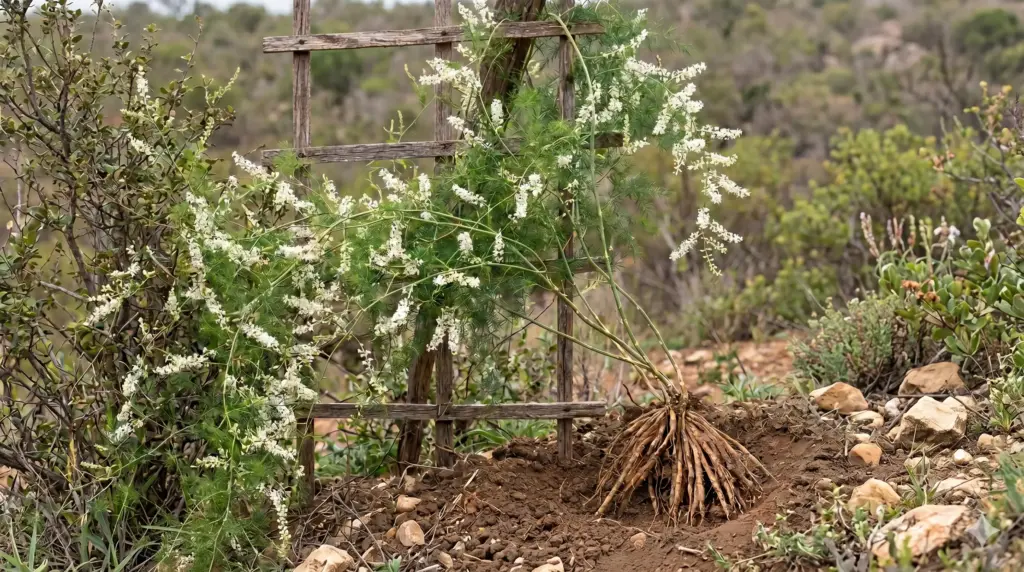
Table of Contents
Quick Summary
Asparagus racemosus Willd., popularly known as Shatavari or the Queen of Herbs, is a deciduous perennial climber belonging to the Asparagaceae family, indigenous to the Indian subcontinent. Celebrated for millennia in Ayurvedic medicine as a premier Rasayana (rejuvenator), it is specifically valued as a female reproductive tonic. Modern scientific research confirms its status as a multi-functional therapeutic agent possessing potent lactogenic, adaptogenic, anti-ulcer, and neuroprotective activities. These properties are driven by a rich reservoir of steroidal saponins, specifically Shatavarins I–IV, along with flavonoids and unique norsteroidal skeletons. It is clinically noted for increasing prolactin-mediated milk volume, alleviating menopausal vasomotor symptoms, and inhibiting BACE1-related neurodegeneration. Commonly consumed as a standardized root extract, fine powder, or ghrita, it maintains an excellent safety profile. However, a critical safety note indicates potential teratological disorders if used indiscriminately during pregnancy, requiring clinical guidance.
Key Therapeutic Benefits
- Clinical Stimulation of Postpartum Lactation Asparagus racemosus significantly increases serum prolactin levels and milk volume in breastfeeding mothers. It works by stimulating mammary gland proliferation and reducing the time to evident breast fullness following delivery. Clinical trials demonstrate improved maternal satisfaction and infant well-being without adverse events. (Ajgaonkar, 2025; Sharma, 1996; Gupta, 2011)
- Management of Menopausal Vasomotor Symptoms Standardized root extracts alleviate hot flashes, night sweats, and mood swings in perimenopausal and postmenopausal women. It modulates the HPA axis and restores hormonal homeostasis by balancing estradiol and FSH levels. This natural intervention significantly improves scores on the Menopause Rating Scale (MRS). (Ademola, 2025; Yadav, 2025; Erten, 2025)
- Gastroprotective Inhibition of Gastric Acid Secretion The methanolic extract of the roots provides robust protection against peptic ulcers by reducing free and total acidity. It enhances the mucosal defensive factors, including mucus secretion and the life span of mucosal cells, while inhibiting the release of gastric hydrochloric acid. Its efficacy is comparable to standard pharmaceutical H2-receptor antagonists. (Bhatnagar, 2006; Sairam, 2003; Dalvi, 1990)
- Multi-Targeted Neuroprotection in Alzheimer’s Disease Bioactive sarsasapogenin inhibits key enzymes involved in neurodegeneration, including BACE1, AChE, and BuChE. It prevents the formation of amyloid-beta plaques and protects neurons from oxidative stress-induced cytotoxicity. This multi-target ligand approach facilitates the maintenance of cognitive function and memory retention. (Kashyap, 2020; Shaji, 2025; Ahmad, 2015)
- Antihyperglycemic Regulation of Carbohydrate Digestion Shatavari improves glucose tolerance by inhibiting intestinal alpha-amylase and alpha-glucosidase enzymes. It enhances insulin secretion from pancreatic beta-cells and increases glucose uptake in peripheral tissues like 3T3 adipocytes. Regular administration helps normalize fasting blood glucose and liver glycogen levels in diabetic models. (Hannan, 2012; Vadivelan, 2019; Ahmad, 2022)
- Hepatoprotective Detoxification of Hepatic Tissues Hydro-alcoholic extracts shield the liver from CCl4 and DEN-induced damage by reducing lipid peroxidation and serum enzyme leakage. It restores the levels of endogenous antioxidants, including SOD and Catalase, and prevents the formation of p53+ mutated foci. This action maintains the structural and functional integrity of hepatocytes during toxic assault. (Acharya, 2012; Palanisamy, 2012; Agrawal, 2008)
- Immunoadjuvant Stimulation of T-Cell Proliferation Standardized aqueous extracts act as a potent immunostimulant by increasing antibody titers and CD4/CD8 T-cell percentages. It upregulates both Th1 (IFN-gamma) and Th2 (IL-4) cytokines, enhancing the body’s response to vaccines and infectious challenges. This dual-pathway modulation supports its traditional use as a Rasayana for general immunity. (Gautam, 2009; Tiwari, 2017; Amina, 2020)
- Cardiovascular Defense via Mitochondrial Resilience Asparagus racemosus protects the heart from drug-induced cardiotoxicity by mitigating mitochondrial dysfunction. It reduces oxidative stress, prevents mitochondrial calcium overload, and stabilizes the membrane potential in cardiomyocytes. This mechanism is especially effective in countering the toxic effects of pesticides like deltamethrin. (Jadaun, 2024; Vineetha, 2024; Kamat, 2000)
- Antilithiatic Prevention of Renal Stone Formation Ethanolic extracts inhibit the formation of calcium oxalate stones by reducing urinary concentrations of calcium, phosphate, and oxalate. It increases levels of magnesium, a known inhibitor of crystallization, and restores serum creatinine and urea to baseline. Histopathological assessments confirm reduced renal tissue damage and mineral deposition. (Christina, 2005; Jagannath, 2012; Agrawal, 2008)
- Inhibition of Epithelial-to-Mesenchymal Transition in Cancer Bioactive Shatavarin IV exerts anti-tumor effects by inducing G0/G1 phase cell cycle arrest and apoptosis. It inhibits the migration and invasion of cancer cells by suppressing MMP-9 and altering the expression of EMT markers. This targeted action is effective against human gastric adenocarcinoma and colon carcinoma cell lines. (Chatterjee, 2024; Verma, 2014; Bhutani, 2010)
- Anxiolytic Relief and Stress Pathway Modulation Methanolic extracts attenuate anxiety-like behavior by modulating the hypothalamic-pituitary-adrenal (HPA) axis and brain monoamines. It increases amygdalar serotonin levels and reduces plasma corticosterone, providing a physiological resilience to stress. This effect is mediated through GABAergic mechanisms without causing clinical sedation. (Garabadu, 2014; Singh, 2009; Joshi, 2012)
- Ergogenic Enhancement of Muscular Strength Supplementation with root extract improves one-repetition maximum (1RM) strength and muscular endurance in trained athletes. It facilitates faster muscle force recovery and increases training loads by optimizing hormonal homeostasis. This performance-enhancing potential makes it a viable natural supplement for resistance training athletes. (Anders, 2020; Shaji, 2025; Bopana, 2007)
- Antimicrobial Disruption of Pathogenic Biofilms Biosynthesized nanoparticles from the root extract demonstrate potent bactericidal action against S. aureus and P. aeruginosa. It disrupts established biofilm architectures and prevents bacterial adherence, significantly reducing the viability of multidrug-resistant strains. This antimicrobial potential extends to enteropathogens like E. coli and Shigella. (Amina, 2020; Onlom, 2014; Mandal, 2000)
- In Silico Inhibition of Viral Proteases Phytochemicals such as Asparoside-C and Asparoside-F serve as high-affinity inhibitors of the SARS-CoV-2 Main Protease (Mpro) and Spike protein. They block viral entry and replication by stabilizing the receptor-binding domain. Similar in silico efficacy has been demonstrated against the Monkeypox virus targets TMPK and D9 decapping enzyme. (Chikhale, 2021; Mishra, 2025; Jadaun, 2024)
- Psychobiotic Support for Postpartum Depression Shatavari modulates the microbiota-gut-brain axis to alleviate symptoms of postpartum mental health disorders. Its prebiotic activity supports the growth of beneficial gut flora, which in turn regulates serotonin synthesis and neuroendocrine balance. This “psychobiotic” role helps stabilize mood and reduce inflammation during the postpartum period. (Das, 2025; Ajgaonkar, 2025; Mahajan, 2025)
- Anticandidal Management of Vaginal Thrush The root extract exhibits a high degree of antifungal activity against various Candida strains isolated from patients with vaginal thrush. It inhibits the growth of C. albicans and C. tropicalis, showing efficacy comparable to standard clinical antibiotics. This supports its traditional classification as a female reproductive antiseptic. (Uma, 2009; Saxena, 2009; Bopana, 2007)
- Mitigation of Cisplatin-Induced Acute Kidney Injury The chloroform fraction of the roots (CFAR) restores renal function by normalizing BUN, sCr, and eGFR levels. It inhibits the activation of NF-kB and other inflammatory cascades that lead to tubular necrosis and fibrosis. This nephroprotective action is achieved through the upregulation of Nrf2-mediated antioxidant defenses. (Jana, 2025; Somania, 2012; Haque, 2001)
- Antiglycation Inhibition of Advanced Glycation End Products Bioactive beta-glucogallin significantly mitigates the formation of AGEs induced by glucose and fructose. It prevents the glycation of bovine serum albumin (BSA) and increases thiol group content, protecting proteins from oxidative cross-linking. This action is vital for managing secondary diabetic complications like retinopathy and atherosclerosis. (Ahmad, 2022; Shaji, 2025; Das, 2024)
- Antitussive Suppression of Sulfur Dioxide-Induced Cough Methanolic root extracts significantly inhibit the frequency of coughing episodes in experimental models. Its antitussive potency at higher doses is comparable to that of codeine phosphate, suggesting a central or peripheral suppression of the cough reflex. This validates the traditional use of Shatavari for treating upper respiratory irritations. (Mandal, 2000; Bopana, 2007; Gautam, 2009)
- Dermal Anti-Sebum and Pore-Minimizing Control Supercritical CO2 extracts downregulate the expression of SRD5A1 and SRD5A2 mRNA, the genes responsible for facial sebum production. Clinical application leads to a significant reduction in facial oiliness and pore area within 30 days. Its rich polyphenolic content, including quercetin, provides a natural solution for managing oily skin. (Ruksiriwanich, 2022; Kohli, 2023; Boonsom, 2012)
- Prokinetic Relief of Functional Dyspepsia Asparagus racemosus reduces gastric emptying time, facilitating faster transit of food from the stomach. Its efficacy in treating Amlapitta (acid dyspepsia) is comparable to modern prokinetic drugs like metoclopramide. This prokinetic action improves digestive comfort and reduces symptoms of bloating and nausea. (Dalvi, 1990; Sairam, 2003; Jagtap, 2025)
- Radioprotective Shielding against Gamma-Radiation Aqueous polysaccharides (P3) protect liver mitochondria from gamma-radiation-induced lipid peroxidation and protein oxidation. It preserves the levels of protein thiols and prevents the inactivation of superoxide dismutase (SOD). This molecular shield is comparable to established antioxidants like glutathione in preventing radiation-induced membrane damage. (Kamat, 2000; Singh, 2005; Gautam, 2009)
- Bioavailability Enhancement via Chitosan-Extract Synergy When used in transdermal patches, AR extract combined with chitosan significantly facilitates the permeation of drugs like carvedilol. It acts as a natural permeation enhancer by disrupting the lipid structure of the epidermis and increasing intercellular space. This synergy allows for sustained drug release and improved clinical control of hypertension. (Sapra, 2009; Harikrishnan, 2022; Amina, 2020)
- Myogenic Modulation of Fish Growth Factors Dietary inclusion of Shatavari upregulates the mRNA expression of myogenic regulatory factors such as MyoD, MyoG, and Myf5. It enhances the activities of digestive enzymes like lipase and amylase, leading to a significant increase in specific growth rate (SGR). This application supports its role in sustainable aquaculture and growth promotion. (Trivedi, 2024; Anders, 2020; Gangwar, 2025)
- Preeclampsia Vascular Balance and Angiogenesis Restoration Root extracts mitigate systemic inflammation and restore the angiogenic balance in L-NAME induced pre-eclampsia. It modulates key biomarkers like TNF-alpha and VEGF, improving the structural integrity of placental and cardiac tissues. This positioning as a natural intervention helps improve maternal and neonatal outcomes in hypertensive pregnancies. (Wazib, 2025; Malik, 2023; Jadaun, 2024)
How It Works (Phytochemistry)
- Shatavarin IV → Inhibition of MMP-9 and EMT signaling → Anticancer & Reproductive Health
- Sarsasapogenin → Inhibition of BACE1 and Acetylcholinesterase enzymes → Alzheimer’s Support
- Beta-glucogallin → Competitive inhibition of protein glycation → Antiglycation & Diabetes Management
- Asparosides (C & F) → Stabilization of Spike receptor-binding domain → Antiviral Activity
- Stigmasterol → Inhibition of alpha-amylase activity → Blood Glucose Regulation
- Racemofuran → DPPH free radical scavenging → Potent Antioxidative Defense
- Myricetin → Suppression of pro-inflammatory cytokines (IL-6, TNF) → Immunomodulatory Support
Traditional Knowledge
- Ayurveda: Known as Shatavari (one who possesses a hundred husbands), it is a premier Rasayana and Vayasthapana (anti-aging) herb. It is used to balance Pitta and Vata doshas and is the first choice for treating Kshaya (wasting diseases), Prameha (diabetes), and all female reproductive conditions from puberty to menopause.
- Unani: Valued as a tonic for the heart and brain, Shatavari is used as a diuretic and to improve general vitality and vigor.
- Traditional Chinese Medicine: Used to clear heat and nourish the “Yin” energy, especially in the context of respiratory and reproductive heat.
- Ethnobotanical Folklore: Historically used by indigenous tribes in the Himalayas as a lactogogue for livestock and as a crushed root paste for traumatic dermal wounds.
Usage and Preparations
- Standardized Root Extract (SHT): Administered in 300 mg doses twice daily for postpartum lactation and hormone balance.
- Methanolic Root Extract (MAR): Used in doses of 100–400 mg/kg for managing depression, anxiety, and gastric ulcers.
- Aqueous Root Formulation: Consumed as a tea or decoction for antioxidant and radioprotective shielding.
- Topical Hydrogel/Ointment: Prepared at 4% concentration to accelerate wound healing and reduce facial sebum.
- Herbal Starter (Fermented Rice): Root powder used as a microbial starter for producing nutrient-dense fermented functional foods.
- Transdermal Patch: Integrated with chitosan for the enhanced delivery of antihypertensive medications.
Identity and Authentication
- Botanical Name: Asparagus racemosus Willd.
- Family: Asparagaceae (Liliaceae)
- Common Names: Shatavari, Indian Asparagus, Satmuli, Queen of Herbs, Rak-Sam-Sip.
- Morphology: A thorny, perennial climber with tuberous roots, linear leaves (cladodes), and fragrant white flowers in branched racemes.
- Plant Part Used: Tuberous Roots (primary), Leaves, and Aerial parts.
- Microscopy: Distinguished by raphides of calcium oxalate in the cortical cells and pitted xylem vessels in the tuberous roots.
- Analytical Markers: Authenticated using HPTLC and HPLC-Q-TOF-MS/MS for Shatavarin IV, Sarsasapogenin, and Immunoside.
Dosage and Safety
- Dosage: Clinical oral doses for lactation and perimenopause range from 300 mg to 600 mg of extract daily. Experimental animal doses range from 100 mg to 400 mg/kg. (Ademola, 2025; Ajgaonkar, 2025)
- Side Effects: Generally well-tolerated; mild adverse events include loose stools, dizziness, nausea, and headaches at high concentrations. (Ademola, 2025; Mahajan, 2025)
- Toxicity: LD50 is greater than 2000 mg/kg in mice. Subacute studies (28-day) show no mortality or organ structure changes at 1000 mg/kg. (Maru, 2025; Kumar, 2010)
- Drug Interactions: May interact with cholinergic and monoaminergic drugs. It may also enhance the permeation of transdermal medications. (Meena, 2011; Sapra, 2009)
- Classification: Caution (Safe for general use; avoid strictly in early pregnancy due to potential teratogenic risks). (Goel, 2006)
FAQs
- How long does it take for Shatavari to increase breast milk? Clinical studies show a significant increase in milk volume and breast fullness within 72 hours of starting a 300 mg extract twice daily.
- Can Shatavari help with perimenopausal hot flashes? Yes, taking 300 mg daily for 8 weeks has been shown to significantly reduce hot flashes and improve the overall Menopause Rating Scale score.
- Is Shatavari safe to take during pregnancy? No. Research indicates potential teratogenic disorders, including fetal resorption and growth retardation. Use it only under strict medical supervision during gestation.
- Does Shatavari cause weight gain? While it improves general health and nutrition, research shows it may actually reduce visceral fat by activating the AMPK pathway.
- Can I use Shatavari for anxiety and stress? Yes, Shatavari is a documented adaptogen that lowers cortisol and stabilizes serotonin, helping the body cope with psychological and physical stress.
- Is Shatavari effective for stomach ulcers? Yes, it is as effective as some pharmaceutical drugs like Ranitidine in reducing gastric lesions and acid secretion by protecting the stomach lining.
- What is the best form of Shatavari for memory? A standardized aqueous extract rich in sarsasapogenin is best for inhibiting the BACE1 and AChE enzymes linked to Alzheimer’s.
- Does Shatavari interact with other medications? It may potentiate the effects of diabetes and blood pressure drugs. Always consult a doctor if you are on cholinergic or noradrenergic pathways.
- Can Shatavari improve skin quality? Yes, topical and oral use has been shown to reduce sebum production, minimize pores, and improve hair and skin health in women.
- How does Shatavari support female fertility? By regulating the HPA axis, it improves oocyte quality, promotes folliculogenesis, and prepares the uterus for successful conception.
References
- Joglekar, G. V., et al. (1967). Indian Med J 61(7): 165.
- Sabnis, P. B., et al. (1968). Indian J Exp Biol 6(1): 58-57.
- Gaitonde, B. B. and M. H. Jetmalani (1969). Arch Int Pharmacodyn Ther 179(1): 121-129.
- Rao, A. R. (1981). Int J Cancer 28(5): 607-610.
- Rege, N. N., et al. (1989). J Postgrad Med 35(4): 199-203.
- Dalvi, S. S., et al. (1990). J Postgrad Med 36(2): 91-94. DOI: 10.4103/0022-3859.3484
- Bharti, et al. (1996). Anc Sci Life 15(3): 162-165. PubMed: 22556730
- Sharma, S., et al. (1996). Indian Pediatr 33(8): 675-677.
- Kamat, J. P., et al. (2000). J Ethnopharmacol 71(3): 425-435.
- Mandal, S. C., et al. (2000). Phytother Res 14(2): 118-119. DOI: 10.1002/(SICI)1098-1519(200003)14:2<118::AID-PTR561>3.0.CO;2-H
- Sairam, K., et al. (2003). J Ethnopharmacol 86(1): 1-10.
- Agrawal, A., et al. (2008). Phytother Res 22(9): 1175-1182.
- Ademola, J., et al. (2025). Front Reprod Health 7: 1654503. DOI: 10.3389/frph.2025.1654503
- Ajgaonkar, A., et al. (2025). J Obstet Gynaecol 45(1): 2564168. DOI: 10.1080/01443615.2025.2564168
- Wazib, S., et al. (2025). J Ethnopharmacol 353(Pt B): 120429. DOI: 10.1016/j.jep.2024.120429
Jump to: Benefits | Phytochemistry | Dosage | FAQs